


Агрессивная тональность действий Баку уступила свое место ''защитной политике'': эксперт

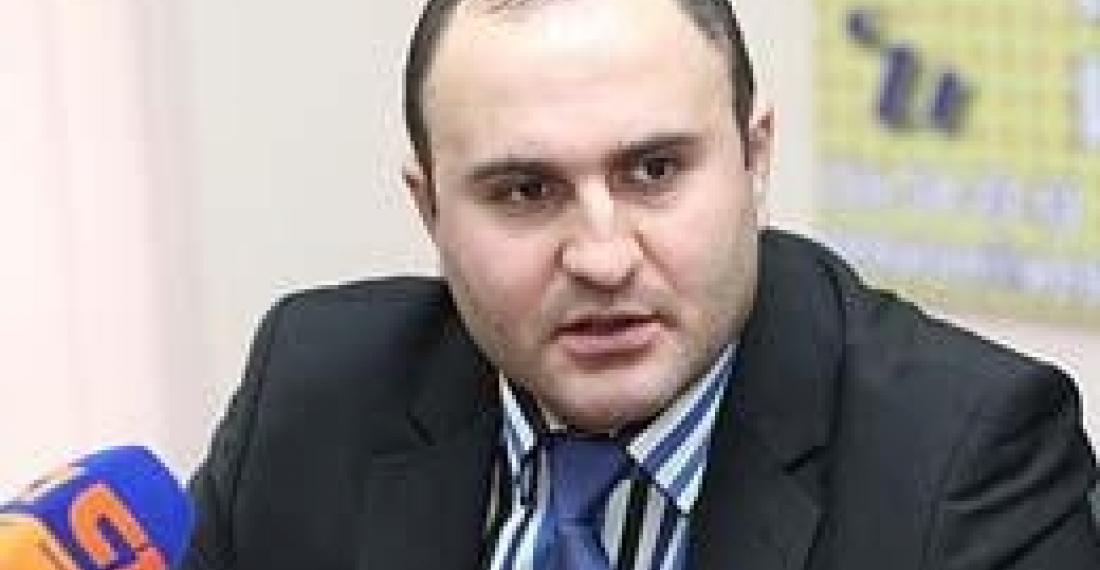
Стартовавшие сегодня в Нагорно-Карабахской Республике военные учения наряду с огромным стратегическим значением в контексте военно-политических процессов в регионе, играют существенную роль и в психологическом плане. Подобное мнение на пресс-конференции 19 октября выразил военный эксперт Давид Джамалян.


''Одно дело говорить о военном потенциале, другое - представить <вещественные доказательства> по этому поводу. Военные учения являются необходимыми мероприятиями, направленными на обеспечение стабильности и мира в регионе, а с морально-психологической точки зрения они являются обязательным фактором, чтобы народ увидел, что он защищен'',- отметил он.


Он также подчеркнул, что сегодняшние военные учения в Арцахе вовсе не свидетельствуют о том, что есть угроза войны. <На передовой линии все нормально и все находится под контролем, а учения не следует связывать с угрозой возобновления войны, они лишь направлены на повышение боеспособности армии>,- отметил он, добавив, что в ходе учений будут опробованы новые виды вооружения. Джамалян также сообщил, что армянская армия также пополнилась новым вооружением, в том числе противотанковыми и противовоздушными средствами, которые, по словам эксперта, способны подавить агрессию врага.


Говоря об антиармянской истерии со стороны Азербайджана, он отметил, что Азербайджан изменил политику: <В последнее время изменилась военно-стратегическая тональность Азербайджана. Агрессивная тональность заявлений азербайджанских властей уступила свое место <защитной политике>, а это означает, что Баку осознает могущество армянских ВС. В этой связи он также опроверг бытующее в СМИ мнение о том, что в последнее время повысился уровень боеспособности азербайджанских ВС вследствие покупки мощной военной техники. <О подобных разговорах и речи быть не может>,- заявил он.


Related articles

Editor's choice
News
Borrell tells the European Parliament that the situation in Afghanistan was critical, but the EU will remain engaged

Borrell tells the European Parliament that the situation in Afghanistan was critical, but the EU will remain engaged

Borrell underlined that the European Union will make every effort to support the peace process and to remain a committed partner to the Afghan people. "Of course, we will have to take into account the evolving situation, but disengagement is not an option.  We are clear on that: there is no alternative to a negotiated political settlement, through inclusive peace talks.
Editor's choice
News
UN General Assembly demands that Russia returns Ukrainian children

UN General Assembly demands that Russia returns Ukrainian children

The UN General Assembly, in a vote on Wednesday (3 December) overwhelmingly voted in favour of a resolution demanding that Russia returns Ukrainian children kidnapped since the start of the Russian invasion in February 2022. 91 countries voted in favour of the resolution, 12 voted against, and 57 countries abstained or were not present. Russia and Belarus were joined by ten countries in voting against the resolution, namely, Iran, Cuba, Nicaragua, Burundi, Burkina Faso, Niger, Mali, Democratic Republic of Congo, Sudan, and Eritrea. From the South Caucasus, Georgia voted in favour of the resolution, but Armenia and Azerbaijan abstained, as did Turkiye and the five Central Asian republics. Also abstaining were the six Gulf monarchies and most Arab countries. The resolution calls for the immediate return of Ukrainian children who were deported to Russia. The Ukrainian government says more than 19,000 children have been taken away from Russian-occupied areas and elsewhere since Moscow's invasion began in February of 2022. The draft resolution submitted on Wednesday demands that Russia "ensure the immediate, safe and unconditional return" of the children. (Read more by clicking the image)

Popular

Editor's choice
News
UN General Assembly demands that Russia returns Ukrainian children

UN General Assembly demands that Russia returns Ukrainian children

The UN General Assembly, in a vote on Wednesday (3 December) overwhelmingly voted in favour of a resolution demanding that Russia returns Ukrainian children kidnapped since the start of the Russian invasion in February 2022. 91 countries voted in favour of the resolution, 12 voted against, and 57 countries abstained or were not present. Russia and Belarus were joined by ten countries in voting against the resolution, namely, Iran, Cuba, Nicaragua, Burundi, Burkina Faso, Niger, Mali, Democratic Republic of Congo, Sudan, and Eritrea. From the South Caucasus, Georgia voted in favour of the resolution, but Armenia and Azerbaijan abstained, as did Turkiye and the five Central Asian republics. Also abstaining were the six Gulf monarchies and most Arab countries. The resolution calls for the immediate return of Ukrainian children who were deported to Russia. The Ukrainian government says more than 19,000 children have been taken away from Russian-occupied areas and elsewhere since Moscow's invasion began in February of 2022. The draft resolution submitted on Wednesday demands that Russia "ensure the immediate, safe and unconditional return" of the children. (Read more by clicking the image)

