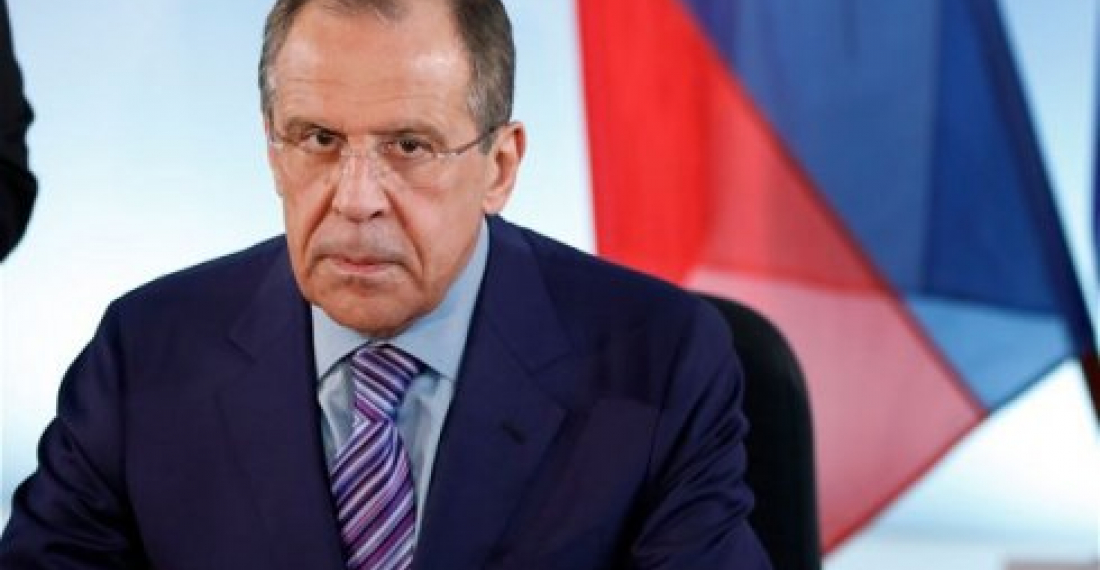
Встречайте Сергея Лаврова, "защитника веры"

Этот комментарий подготовлен политическим редактором commonspace.eu

У христианства в Европе появился новый защитник. Пасхальная речь Сергея Лаврова в защиту христианства в Европе оказалось очень циничной.

Министр иностранных дел России Сергей Лавров - спокойный и искусный дипломат. Превратившись плавно из советского дипломата в преданного служащего при Борисе Ельцине, а затем с 2004 года, став министром иностранных дел России, пережил интриги правления Владимира Путина дольше, чем большинство других. В 2013 году ходили слухи, что его собираются уволить, но кризисы на Украине и в Сирии придали ему новую жизнь. Его сольная дипломатия с американским коллегой того времени, Джоном Керри, сделали его незаменимым для Кремля. Керри сейчас уже покинул свой пост, а американо-российские отношения находятся в состоянии паузы, и пока не ясно, как они выйдут из этого состояния. Кремль вполне может решить, что для управления новыми отношениями могут понадобиться свежие руки.

Именно в этот момент Лавров решил стать чемпионом христиан в Европе. В своем выступлении по случаю Пасхи, опубликованном на сайте МИД РФ, Лавров сказал:

"Серьезное беспокойство вызывают непрекращающиеся попытки узкой группы государств с мессианской одержимостью насаждать псевдолиберальные ценности, такие, например, как гедонизм и вседозволенность. Вселяет тревогу доведение до абсурда понятия «толерантности». В Европе, где, по сути, наблюдается отказ от своих христианских корней, дело даже доходит до сознательного, официально одобренного сноса или перепрофилирования христианских храмов, лишения их религиозной атрибутики. Очевидно, что такие деяния наносят колоссальный ущерб нравственному здоровью людей. Тот, кто пренебрегает своими религиозными корнями, едва ли может уважать чувства верующих других конфессий."

Абсурдное предположение о том, что власти в Европе каким-то образом принуждают закрывать христианские церкви, было бы смехотворно, если бы не столь скрытое послание главы МИД России о том, что Россия, уже эксплуатировавшая популизм крайне правых, теперь готовa также использовать религию в качестве инструмента против западных ценностей толерантности и свободы, которые Кремль, похоже, считает столь невыносимыми.

Эту речь нужно воспринимать всерьез, и она должна быть сигналом тревоги, особенно для людей с прогрессивным мышлением в Европе. Россия уже сыграла эту карту, хотя и с ограниченным успехом в Грузии и Армении, где в течение последних пяти лет местное население подвергалось бомбардировке пропагандой, предполагающей, что Европейский союз выступает против религии и традиционных ценностей. Похоже, что теперь она готовa передать послание самому Европейскому союзу. Те, кто первым должен осознать эту серьезную проблему, должны быть людьми на либеральном и левом политическом спектре - тем, кто все еще готов принимать слова России на веру, что основано на некоторой затяжной ностальгии к СССР. Нет ничего прогрессивного в России Путина и Лаврова. Это просто бастион противодействия.

Новая роль Сергея Лаврова в качестве "защитника веры" - титул, обычно присваиваемый королям Англии, - это еще один циничный поступок министра иностранных дел, под чьим наблюдением Россия расчленила такие страны, как Грузия и Украина, и поддерживает режимы такие как в Сирии, которые травит химическим оружием свое собственное население. Поэтому его "послание" на Пасху стоит воспринимать исключительно с презрением.

Этот комментарий подготовлен политическим редактором commonspace.eu

Related articles

Editor's choice
News
Borrell tells the European Parliament that the situation in Afghanistan was critical, but the EU will remain engaged

Borrell tells the European Parliament that the situation in Afghanistan was critical, but the EU will remain engaged

Borrell underlined that the European Union will make every effort to support the peace process and to remain a committed partner to the Afghan people. "Of course, we will have to take into account the evolving situation, but disengagement is not an option.  We are clear on that: there is no alternative to a negotiated political settlement, through inclusive peace talks.
Editor's choice
News
Germany accuses Russia of cyberattacks and disinformation campaign

Germany accuses Russia of cyberattacks and disinformation campaign

The German government holds Russia responsible for a cyberattack on German air traffic control, and for targeted disinformation campaigns before the last federal election. According to the German Foreign Office in Berlin, the incidents could be clearly attributed to the Russian military intelligence service, the GRU. In response, the Russian ambassador to Berlin was summoned to the Foreign Ministry. "We have been observing a massive increase in threatening hybrid activities by Russia for some time now," a spokesperson for the Foreign Ministry stated. These range from disinformation campaigns and espionage to cyberattacks and sabotage attempts. The aim is to divide society, sow distrust, and undermine confidence in democratic institutions. The spokesperson added that with these actions, Russia is "very concretely threatening our security, not only through its war of aggression against Ukraine, but also here in Germany."  The Foreign Ministry spokesperson explained that the cyberattack on air traffic control in August 2024 was clearly attributed to the hacker collective "APT28," known as "Fancy Bear," and to the responsibility of the Russian military intelligence service, the GRU. Furthermore, it could now be "conclusively stated" that Russia had attempted "to influence and destabilize both the last Federal election and the ongoing internal affairs of the Federal Republic of Germany." There was "absolutely irrefutable evidence" for this". The so-called "Storm 1516" campaign, which has been running since 2024, is allegedly backed by "reliable information" that the Moscow-based think tank "Center for Geopolitical Expertise" is behind it. The Center is also said to be supported by Russian military intelligence. Its primary aim is to influence democratic elections in the West. (Click the image to read more).

Popular

Editor's choice
News
Germany accuses Russia of cyberattacks and disinformation campaign

Germany accuses Russia of cyberattacks and disinformation campaign

The German government holds Russia responsible for a cyberattack on German air traffic control, and for targeted disinformation campaigns before the last federal election. According to the German Foreign Office in Berlin, the incidents could be clearly attributed to the Russian military intelligence service, the GRU. In response, the Russian ambassador to Berlin was summoned to the Foreign Ministry. "We have been observing a massive increase in threatening hybrid activities by Russia for some time now," a spokesperson for the Foreign Ministry stated. These range from disinformation campaigns and espionage to cyberattacks and sabotage attempts. The aim is to divide society, sow distrust, and undermine confidence in democratic institutions. The spokesperson added that with these actions, Russia is "very concretely threatening our security, not only through its war of aggression against Ukraine, but also here in Germany."  The Foreign Ministry spokesperson explained that the cyberattack on air traffic control in August 2024 was clearly attributed to the hacker collective "APT28," known as "Fancy Bear," and to the responsibility of the Russian military intelligence service, the GRU. Furthermore, it could now be "conclusively stated" that Russia had attempted "to influence and destabilize both the last Federal election and the ongoing internal affairs of the Federal Republic of Germany." There was "absolutely irrefutable evidence" for this". The so-called "Storm 1516" campaign, which has been running since 2024, is allegedly backed by "reliable information" that the Moscow-based think tank "Center for Geopolitical Expertise" is behind it. The Center is also said to be supported by Russian military intelligence. Its primary aim is to influence democratic elections in the West. (Click the image to read more).