В 2012 ГОДУ РОССИЯ ПРОДАЛА ОРУЖИЯ НА $ 15,16 млрд.
Россия в 2012 году продала вооружений на рекордные $ 15,16 млрд., расширив список своих внешних покупателей, как сообщает РИА Новости со ссылкой на Федеральную службу по военно-техническому сотрудничеству (ФСВТС) в отчете от 21 января.

"По предварительным итогам ­ окончательные итоги мы подведем в конце января ­ начале февраля, на сегодняшний день объем экспорта продукции военного назначения за рубеж составил 15,16 миллиарда долларов, с точки зрения планов они выполнены на 111,8%", ­ приводит слова Фомина РИА Новости.

"За последние десять лет мы видели общий рост экспорта, который увеличился в три раза с 2003 года", - сказал Фомин. Общая стоимость российских контрактов достигла в 2011 году уровня в $13,2 млрд.  "Портфель заказов оборонной продукции также увеличился в три раза. Его текущий объём превышает $ 46 млрд.", - добавил он.

Россия занимает в мире второе место по экспорту оружия после Соединенных Штатов. Индия является ведущим покупателем российского оружия, с Мьянмой, Вьетнамом, Венесуэлой и странами Ближнего Востока среди основных клиентов оборонной промышленности России.

Фомин сообщил, что список стран, которым Россия поставляет оружие также расширился в 2012 году, в него попали  Афганистан, Гана, Оман и Танзания. ФСВТС также утверждает, что качество экспортируемой продукции улучшилось, хотя проблемы и остаются, особенно из-за плохого послепродажного сервиса.

И Армения, и Азербайджан закупают оружие в России. Армения также получила военную помощь от России в результате ее членства в российском военном альянсе ОДКБ и из-за российской базы в Армении. Азербайджан менее зависим от российских вооружений. Израиль стал самым важным поставщиком оружия для Азербайджана.

Источник: commonspace.eu по материалам RIA.ru и Hurriyet Daily News.

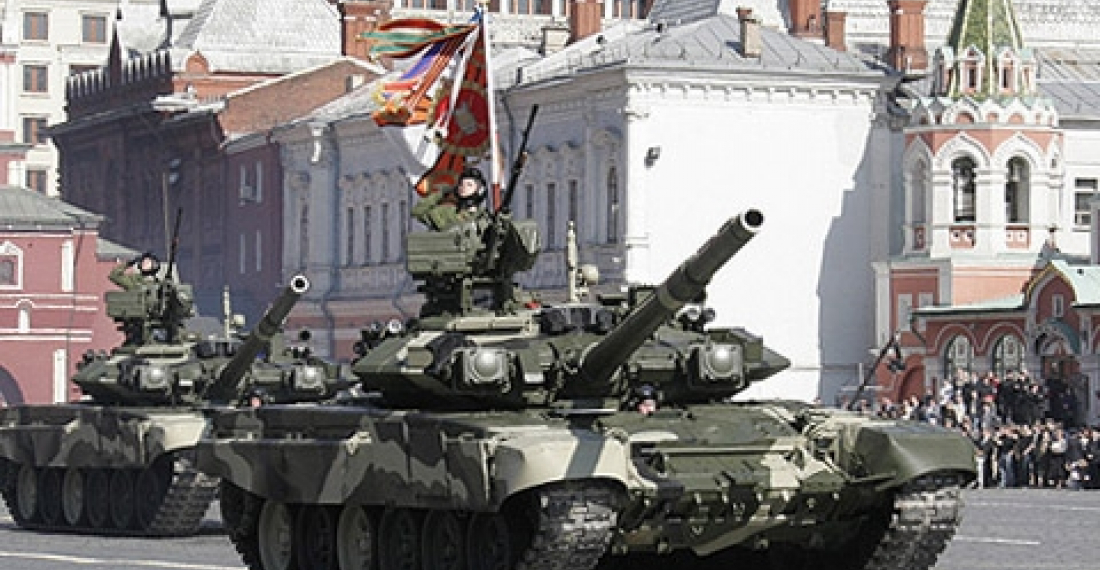
Фото: Российский танк T-90 на параде в Москве в 2009 году. Азербайджан недавно закупил в России партию этих танков.

Related articles

Editor's choice
News
The British prime minister says Europe must "stand on its own two feet" when it comes to defence

The British prime minister says Europe must "stand on its own two feet" when it comes to defence

The UK will deploy a carrier strike group, led by the aircraft carrier HMS Prince of Wales to the Arctic and the High North as part of efforts to bolster security against Russian threats. British prime minister, Sir Keir Starmer announced the deployment in a speech on Saturday (14 February) at the Munich Security Conference. Europe must be ready to fight to protect its people, values, and way of life,  Sir Keir told the Conference. Starmer also called for deeper links and cooperation, including economic ties, between the UK and EU. The PM stressed the continent must "stand on its own two feet" when it comes to defence commitments. "We must build our hard power, because that is the currency of the age," he told the conference. (Click image to read the full story).

Popular

Editor's choice
Interview
Thursday Interview: Murad Muradov

Thursday Interview: Murad Muradov

Today, commonspace.eu starts a new regular weekly series. THURSDAY INTERVIEW, conducted by Lauri Nikulainen, will host  persons who are thinkers, opinion shapers, and implementors in their countries and spheres. We start the series with an interview with Murad Muradov, a leading person in Azerbaijan's think tank community. He is also the first co-chair of the Action Committee for a new Armenian-Azerbaijani Dialogue. Last September he made history by being the first Azerbaijani civil society activist to visit Armenia after the 44 day war, and the start of the peace process. Speaking about this visit Murad Muradov said: "My experience was largely positive. My negative expectations luckily didn’t play out. The discussions were respectful, the panel format bringing together experts from Armenia, Azerbaijan, and Turkey was particularly valuable during the NATO Rose-Roth Seminar in Yerevan, and media coverage, while varied in tone, remained largely constructive. Some media outlets though attempted to represent me as more of a government mouthpiece than an independent expert, which was totally misleading.  Overall, I see these initiatives as important steps in rebuilding trust and normalising professional engagement. The fact that soon a larger Azerbaijani civil society visits to Armenia followed, reinforces the sense that this process is moving in the right direction." (click the image to read the interview in full)