Такую возможность нельзя упускать

Брюссельская встреча министров иностранных дел Армении и Азербайджана, запланированная на среду (11 июля) - это возможность активизировать мирный процесс в Карабахе и ее не следует упускать!, утверждает Деннис Саммут в этой статье.

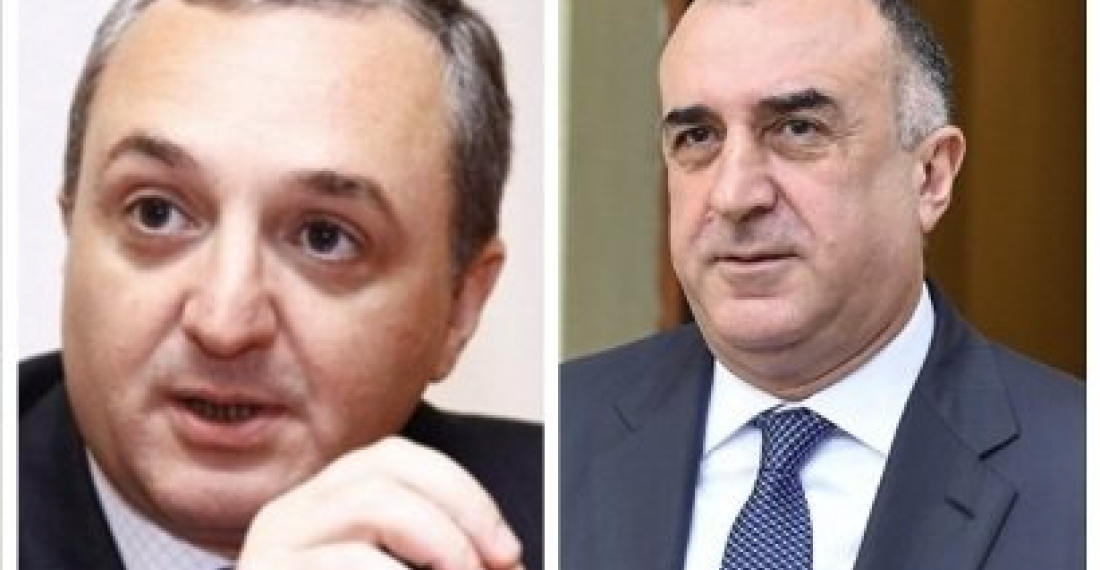
Как Армения, так и Азербайджан подтвердили, что их министры иностранных дел, Зохраб Мнацаканян и Эльмар Мамедъяров встретятся в среду (11 июля), в Брюсселе, в кулуарах саммита НАТО. Это будет первая встреча на высшем уровне между высокопоставленными должностными лицами обеих сторон после смены правительства в Армении в мае этого года. Она будет проходить в формате процесса Минской группы ОБСЕ и будет поддерживаться тремя сопредседателями процесса, представляющим Францию, Россию и Соединенные Штаты.

Процесс поиска мирного урегулирования конфликта между двумя странами в значительной степени застопорился в течение большей части прошлого года. Обе стороны занимались тем, что подтверждали свои укоренившиеся позиции. Выборы и политические перемены в двух странах сделали невозможным достижение прогресса в переговорах. Между тем обе стороны выразили разочарование в позиции друг друга и непримиримости. Сопредседатели терпеливо старались сохранить открытые линии связи, сгладить настроение и заблуждение до минимума. Их терпение и настойчивость нужно приветствовать.

Ожидания от результатов встречи в Брюсселе небольшие. Но важность встречи не следует недооценивать. Это не только возможность возобновить переговоры; продолжить их с того момента, где они остановились. Это также возможность перевернуть страницу и сосредоточиться на том, что важно. Также согласиться на последовательность относительно того, что будет дальше - то, о чем шла речь.

В конце концов, руководители двух стран, Ильхам Алиев и Никол Пашинян, должны встретиться, но не до того, как будет проведена достаточная подготовительная работа, чтобы сделать такую встречу значимой. Брюссельская встреча покажет, насколько это возможно, и в какие сроки.

За кулисами многое можно сделать, чтобы создать правильные условия для переговоров. Военная риторика, которая ежедневно доноситься из Баку и Еревана, безусловно, мало способствует этим попыткам. Есть много вещей, которые могут сделать обе стороны, чтобы направить послание другой стороне и международному сообществу о том, что они ведут добросовестные переговоры. Они не должны стесняться таких действий, и им нужна поддержка более широкого общества.

Брюссельская встреча на этой неделе между министрами иностранных дел Армении и Азербайджана дает возможность возобновить карабахский мирный процесс. Ее не следует упускать!


источник: Деннис Саммут - исполнительный директор LINKS (Диалог, Анализ и Исследования). Его Комментарий по понедельникам публикуется еженедельно на commonspace.eu

Мнения, выраженные в комментариях и статьях, не обязательно отражают позицию commonspace.eu или ее партнеров

Фото: Зохраб Мнацаканян и Эльмар Мамедъяров (архив)
 

Related articles

Editor's choice
News
Key European countries back Denmark in the face of Trump's continuing insistence on taking over Greenland

Key European countries back Denmark in the face of Trump's continuing insistence on taking over Greenland

 Six major European countries have declared their support to Denmark following renewed insistence by the US that it must have control over Greenland. "Greenland belongs to its people, and only Denmark and Greenland can decide on matters concerning their relations," said the leaders of the UK, France, Germany, Italy, Poland, and Spain, in a joint statement, issued on Tuesday (6 January), together with Denmark. On Sunday, Donald Trump said the US "needed" Greenland - a semi-autonomous region of fellow Nato member Denmark - for security reasons. He has refused to rule out the use of force to take control of the territory, and Danish Prime Minister Mette Frederiksen warned on Monday that an attack by the US would spell the end of Nato. The issue of Greenland's future resurfaced in the wake of the US military intervention in Venezuela, during which elite troops went in to seize the country's President Nicolás Maduro and take him to face drugs and weapons charges in New York. Following the raid, Trump said the US would "run" Venezuela for an unspecified period of time. He also said the US was returning to an 1823 policy of US supremacy in its sphere of influence in the Western hemisphere - and he warned a number of countries the US could turn its attention to them. The US military raid in Venezuela has reignited fears that the US may consider using force to secure control of Greenland. A day after the raid, Katie Miller - the wife of one of Trump's senior aides - posted on social media a map of Greenland in the colours of the American flag, alongside the word "SOON". On Monday, her husband Stephen Miller said it was "the formal position of the US government that Greenland should be part of the US". In an interview with CNN, he also said the US "is the power of Nato. For the US to secure the Arctic region, to protect and defend Nato and Nato interests, obviously Greenland should be part of the US." Asked repeatedly whether the US would rule out using force to annex it, Miller responded: "Nobody's going to fight the US over the future of Greenland." Stressing they were as keen as the US in Arctic security, the seven European signatories of Tuesday's joint statement said this must be achieved by Nato allies, including the US "collectively" - whilst "upholding the principles of the UN Charter, including sovereignty, territorial integrity and the inviolability of borders". Greenland's Prime Minister Jens-Frederik Nielsen welcomed the statement and called for "respectful dialogue". "The dialogue must take place with respect for the fact that Greenland's status is rooted in international law and the principle of territorial integrity," Nielsen said. Trump has claimed that making Greenland part of the US would serve American security interests due to its strategic location and its abundance of minerals critical to high-tech sectors. Greenland, which has a population of 57,000 people, has had extensive self-government since 1979, though defence and foreign policy remain in Danish hands. While most Greenlanders favour eventual independence from Denmark, opinion polls show overwhelming opposition to becoming part of the US.

Popular