Стратегическое партнерство Азербайджана и Грузии

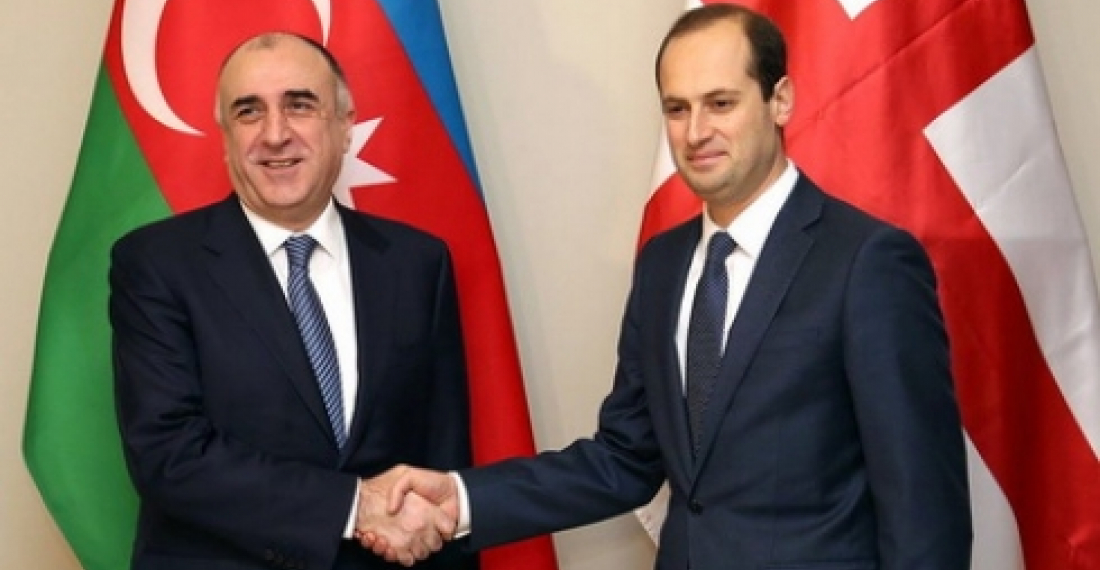
Глава МИД Грузии Михаил Джанелидзе находится с официальным визитом в Азербайджане. В ходе пресс-конференции после встречи со своим коллегой Эльмаром Мамедъяровым министр иностранных дел Грузии Михаил Джанелидзе заявил о тесных и образцовых отношениях между странами.

В частности он сказал, что две страны связывает тесное сотрудничество в энергетической сфере, напомнив, что в этом году исполняется 20 лет со времени реализации проекта Баку-Супса, а так же о том, что Азербайджан и Грузия в последние дни договорились об увелечении поставок газа в Грузию.

Джанелидзе заявил, что "в последние годы в нашей стране потребность в газе увеличилась. Азербайджан как стратегический партнер согласился увеличить объем поставляемого природного газа. Было подписано соответствующее соглашение."

Напомнив, что в Грузии оппозиция власти проводила активную кампанию против подписания соглашения с Газпромом на невыгодных для Грузии условиях. Азербайджанская сторона в последний момент помогла преодолеть этот кризис, заявив о готовности увелечения объёмов поставок газа на выгодных условиях.

Министр также упомянул строящуюся железную дорогу Баку-Тбилиси-Карс и проект "Южный газовый коридор". "Мы будем успешно сотрудничать в рамках этого проекта. Это сотрудничество также будет развиваться и в транспортной сфере. Проект Баку-Тбилиси-Карс создаст дополнительные возможности. Как результат этого сотрудничества откроется новая дорога, что станет полезным опытом для региона, стран и частного сектора." - сказал Михаил Джанелидзе.

Министр также заявил, что "мы также продолжим сотрудничать на международной арене. Обе страны поддерживают территориальную целостность и суверенитет друг друга, и, надеюсь, эта позиция будет неизменной."

Михаил Джанелидзе так же выразил надежду, "что до следующей встречи мы с Азербайджаном решим вопрос делимитации границ."

Со своей стороны Эльмар Мамедъяров заявил, что стороны обсудили перспективы развития и углубления стратегического партнерства между странами. По его словам, также были обсуждены вопросы сотрудничества в энергетической и транспортной сферах, и что стороны договорились о проведении очередного заседания комиссии по делимитации границ.

Мамедъяров так же сказал, что они со своим коллегой обсудили урегулирование нагорно-карабахского конфликта: "Мой коллега же проинформировал меня об обстановке в Южной Осетии и Абхазии. При каждой встрече азербайджанская сторона обсуждает армяно-азербайджанский нагорно-карабахский конфликт, выражает свою позицию."

Глава МИД Грузии также провел встречу с президентом Азербайджана Ильхамом Алиевым, во время которой встречи выразили удовлетворение ходом сотрудничества между странами.

источник: commonspace.eu по материалам агентств
 

Related articles

Editor's choice
News
Borrell tells the European Parliament that the situation in Afghanistan was critical, but the EU will remain engaged

Borrell tells the European Parliament that the situation in Afghanistan was critical, but the EU will remain engaged

Borrell underlined that the European Union will make every effort to support the peace process and to remain a committed partner to the Afghan people. "Of course, we will have to take into account the evolving situation, but disengagement is not an option.  We are clear on that: there is no alternative to a negotiated political settlement, through inclusive peace talks.
Editor's choice
News
Germany accuses Russia of cyberattacks and disinformation campaign

Germany accuses Russia of cyberattacks and disinformation campaign

The German government holds Russia responsible for a cyberattack on German air traffic control, and for targeted disinformation campaigns before the last federal election. According to the German Foreign Office in Berlin, the incidents could be clearly attributed to the Russian military intelligence service, the GRU. In response, the Russian ambassador to Berlin was summoned to the Foreign Ministry. "We have been observing a massive increase in threatening hybrid activities by Russia for some time now," a spokesperson for the Foreign Ministry stated. These range from disinformation campaigns and espionage to cyberattacks and sabotage attempts. The aim is to divide society, sow distrust, and undermine confidence in democratic institutions. The spokesperson added that with these actions, Russia is "very concretely threatening our security, not only through its war of aggression against Ukraine, but also here in Germany."  The Foreign Ministry spokesperson explained that the cyberattack on air traffic control in August 2024 was clearly attributed to the hacker collective "APT28," known as "Fancy Bear," and to the responsibility of the Russian military intelligence service, the GRU. Furthermore, it could now be "conclusively stated" that Russia had attempted "to influence and destabilize both the last Federal election and the ongoing internal affairs of the Federal Republic of Germany." There was "absolutely irrefutable evidence" for this". The so-called "Storm 1516" campaign, which has been running since 2024, is allegedly backed by "reliable information" that the Moscow-based think tank "Center for Geopolitical Expertise" is behind it. The Center is also said to be supported by Russian military intelligence. Its primary aim is to influence democratic elections in the West. (Click the image to read more).

Popular

Editor's choice
News
Germany accuses Russia of cyberattacks and disinformation campaign

Germany accuses Russia of cyberattacks and disinformation campaign

The German government holds Russia responsible for a cyberattack on German air traffic control, and for targeted disinformation campaigns before the last federal election. According to the German Foreign Office in Berlin, the incidents could be clearly attributed to the Russian military intelligence service, the GRU. In response, the Russian ambassador to Berlin was summoned to the Foreign Ministry. "We have been observing a massive increase in threatening hybrid activities by Russia for some time now," a spokesperson for the Foreign Ministry stated. These range from disinformation campaigns and espionage to cyberattacks and sabotage attempts. The aim is to divide society, sow distrust, and undermine confidence in democratic institutions. The spokesperson added that with these actions, Russia is "very concretely threatening our security, not only through its war of aggression against Ukraine, but also here in Germany."  The Foreign Ministry spokesperson explained that the cyberattack on air traffic control in August 2024 was clearly attributed to the hacker collective "APT28," known as "Fancy Bear," and to the responsibility of the Russian military intelligence service, the GRU. Furthermore, it could now be "conclusively stated" that Russia had attempted "to influence and destabilize both the last Federal election and the ongoing internal affairs of the Federal Republic of Germany." There was "absolutely irrefutable evidence" for this". The so-called "Storm 1516" campaign, which has been running since 2024, is allegedly backed by "reliable information" that the Moscow-based think tank "Center for Geopolitical Expertise" is behind it. The Center is also said to be supported by Russian military intelligence. Its primary aim is to influence democratic elections in the West. (Click the image to read more).