


Страсбург вносит новый язык в переговоры по Карабаху.

Политический комитет Парламентской ассамблеи Совета Европы (ПАСЕ) в среду (4 ноября) принял проект резолюции по карабахскому конфликту, который будет обсуждаться на пленарном заседании ПАСЕ в январе. Таким образом, в отличие от прошлой практики, в тексте используется язык, который значительно отличается от того, что было до сих пор в резолюциях, связанных с нагорно-карабахским конфликтом, принятых европейскими и международными органами.

Касательно этого на веб-сайте ПАСЕ сказано следующее:

"В проекте резолюции, одобренном сегодня, Комитет по политическим вопросам Парламентской ассамблеи Совета Европы (ПАСЕ) призвал "к выводу армянских вооруженных сил и других нерегулярных вооруженных сил из Нагорного Карабаха и других оккупированных территорий Азербайджана и к установлению полного суверенитета Азербайджана на этих территориях", в рамках Минского процесса ОБСЕ.

Комитет также призвал "к созыву пленарного заседания Минской группы для определения временного статуса Нагорного Карабаха, гарантирующего безопасность и внутреннее самоуправление, с согласованным коридором, связывающим Армению с Нагорным Карабахом, а также другие меры по укреплению доверия, в том числе коридор доступа в Нахчыван".

Решительно осуждая преднамеренные действия против гражданских населенных пунктов в близи линии соприкосновения, комитет заявил, что сожалеет о том, что нагорно-карабахская проблема встала в одну линию с другими крупными международными кризисами. "Дальнейшее откладывание только усложняет урегулирование этого "не замороженного" конфликта, который унес жизни более ста человек с начала 2014 года, и который может перерасти в настоящую войну между двумя государствами-членами Совета Европы".

Напоминая о том, что и Армения, и Азербайджан обязались при вступлении в Совет Европы в 2001 году использовать только мирные средства для урегулирования их конфликта по Нагорно-Карабахскому региону, комитет призвал правительства обеих стран воздержаться от использования вооруженных сил.

Комитет также призвал ОБСЕ к созданию международных миротворческих сил для поддержания безопасности в Нагорном Карабахе и других оккупированных территорий и обеспечению безопасного возвращения и переселения перемещенных лиц, а также к созданию механизма расследования нарушений режима прекращения огня.

Проект резолюции, основанный на докладе Роберта Уолтера (Великобритания, ЕС), должен быть вынесен на обсуждение в Ассамблее на сессии в январе 2016 года".

По словам политического редактора Commonspace.eu, "в то время как по своей сути резолюция не сильно отличается от того, что международное сообщество говорило в течение долгого времени язык, использованный в тексте резолюции, принятой политическим Комитетом ПАСЕ, значительно отличается. Резолюцию будут приветствовать в Азербайджане, но в Армении к ней отнесутся с пренебрежением. Баку ободрит призыв к выводу армянских войск с территорий, которые он потерял в конфликте больше, чем два десятилетия назад. Однако, Армения настаивает на том, что международное сообщество должно строго придерживаться терминологии, принятой в рамках сопредседателей Минской группы ОБСЕ, и признает только их в качестве посредников в конфликте. По этим причинам Армения приследует политику не занимать себя другими инициативами, которые, как ей кажется, преследуют иной подход. Резолюция ПАСЕ, даже если её примут единогласно на пленарном заседании Ассамблеи в январе - что отнюдь не факт - может стать просто еще одной бумагой, которая ничего не изменит в ситуации на местах. Тем не менее, она знаменует важный прецедент, и может привести к принятию аналогичных текстов на других международных форумах, а это то, чего Армения хочет избежать любой ценой".

источник: commonspace.eu по материалам www.coe.int

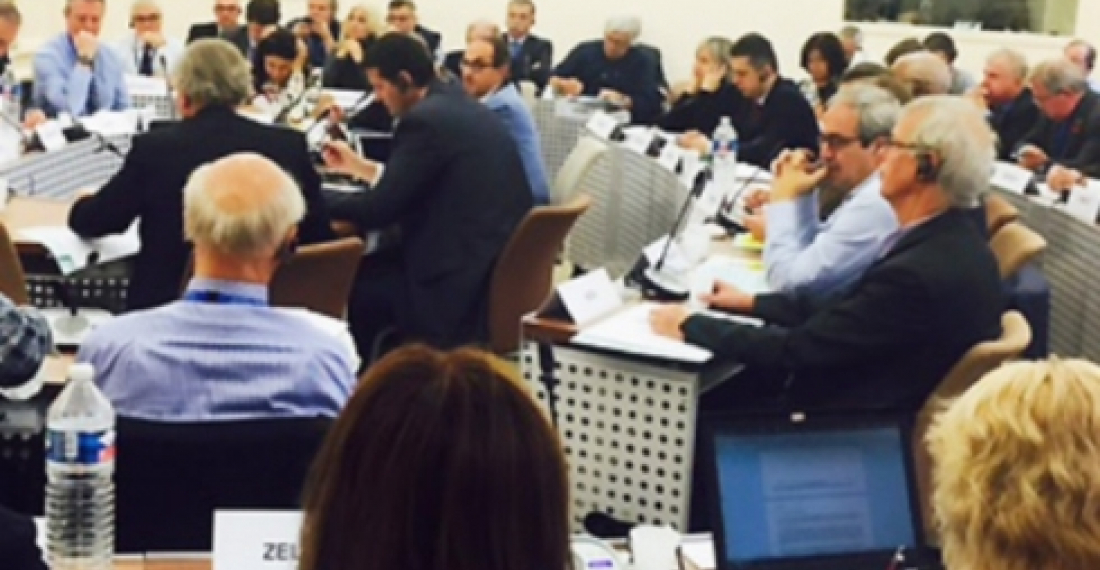
фото: Политический комитет Парламентской ассамблеи Совета Европы (фото из архива).

 

Related articles

Editor's choice
News
Germany accuses Russia of cyberattacks and disinformation campaign

Germany accuses Russia of cyberattacks and disinformation campaign

The German government holds Russia responsible for a cyberattack on German air traffic control, and for targeted disinformation campaigns before the last federal election. According to the German Foreign Office in Berlin, the incidents could be clearly attributed to the Russian military intelligence service, the GRU. In response, the Russian ambassador to Berlin was summoned to the Foreign Ministry. "We have been observing a massive increase in threatening hybrid activities by Russia for some time now," a spokesperson for the Foreign Ministry stated. These range from disinformation campaigns and espionage to cyberattacks and sabotage attempts. The aim is to divide society, sow distrust, and undermine confidence in democratic institutions. The spokesperson added that with these actions, Russia is "very concretely threatening our security, not only through its war of aggression against Ukraine, but also here in Germany."  The Foreign Ministry spokesperson explained that the cyberattack on air traffic control in August 2024 was clearly attributed to the hacker collective "APT28," known as "Fancy Bear," and to the responsibility of the Russian military intelligence service, the GRU. Furthermore, it could now be "conclusively stated" that Russia had attempted "to influence and destabilize both the last Federal election and the ongoing internal affairs of the Federal Republic of Germany." There was "absolutely irrefutable evidence" for this". The so-called "Storm 1516" campaign, which has been running since 2024, is allegedly backed by "reliable information" that the Moscow-based think tank "Center for Geopolitical Expertise" is behind it. The Center is also said to be supported by Russian military intelligence. Its primary aim is to influence democratic elections in the West. (Click the image to read more).
Editor's choice
News
NATO Chief says war is on Europe's doorstep, and warns against complacency

NATO Chief says war is on Europe's doorstep, and warns against complacency

Russia could attack a NATO country within the next five years, the Secretary General of NATO, Mark Rutte, said in a stark new warning. "NATO's own defences can hold for now," Rutte warned in Berlin, but conflict was "next door" to Europe, and he feared "too many are quietly complacent, and too many don't feel the urgency, too many believe that time is on our side. "Russia is already escalating its covert campaign against our societies," Rutte said in a speech in Germany. "We must be prepared for the scale of war our grandparents or great-grandparents endured." Earlier this month, Russia's President Vladimir Putin said his country was not planning to go to war with Europe, but it was ready "right now" if Europe wanted to - or started a war. But similar reassurances were given by Moscow in 2022, just before 200,000 Russian troops crossed the border and invaded Ukraine. Putin has accused European countries of hindering US efforts to bring peace in Ukraine - a reference to the role Ukraine's European allies have recently played in trying to change a US peace plan to end the war, whose initial draft was seen as favouring Russia. But Putin was not sincere, Nato's secretary-general said in the German capital, Berlin. Supporting Ukraine, he added, was a guarantee for European security. "Just imagine if Putin got his way; Ukraine under the boot of Russian occupation, his forces pressing against a longer border with Nato, and the significantly increased risk of an armed attack against us." Russia's economy has been on a war footing for more than three years now - its factories churn out ever more supplies of drones, missiles and artillery shells. According to a recent report by the Kiel Institute for the World Economy, Russia has been producing each month around 150 tanks, 550 infantry fighting vehicles, 120 Lancet drones and more than 50 artillery pieces. The UK, and most of its Western allies, are simply not anywhere near this point. Analysts say it would take years for Western Europe's factories to come close to matching Russia's mass-production of weapons. "Allied defence spending and production must rise rapidly, our armed forces must have what they need to keep us safe," the Nato chief said.

Popular

Editor's choice
News
Germany accuses Russia of cyberattacks and disinformation campaign

Germany accuses Russia of cyberattacks and disinformation campaign

The German government holds Russia responsible for a cyberattack on German air traffic control, and for targeted disinformation campaigns before the last federal election. According to the German Foreign Office in Berlin, the incidents could be clearly attributed to the Russian military intelligence service, the GRU. In response, the Russian ambassador to Berlin was summoned to the Foreign Ministry. "We have been observing a massive increase in threatening hybrid activities by Russia for some time now," a spokesperson for the Foreign Ministry stated. These range from disinformation campaigns and espionage to cyberattacks and sabotage attempts. The aim is to divide society, sow distrust, and undermine confidence in democratic institutions. The spokesperson added that with these actions, Russia is "very concretely threatening our security, not only through its war of aggression against Ukraine, but also here in Germany."  The Foreign Ministry spokesperson explained that the cyberattack on air traffic control in August 2024 was clearly attributed to the hacker collective "APT28," known as "Fancy Bear," and to the responsibility of the Russian military intelligence service, the GRU. Furthermore, it could now be "conclusively stated" that Russia had attempted "to influence and destabilize both the last Federal election and the ongoing internal affairs of the Federal Republic of Germany." There was "absolutely irrefutable evidence" for this". The so-called "Storm 1516" campaign, which has been running since 2024, is allegedly backed by "reliable information" that the Moscow-based think tank "Center for Geopolitical Expertise" is behind it. The Center is also said to be supported by Russian military intelligence. Its primary aim is to influence democratic elections in the West. (Click the image to read more).


