НАТО и Россия договорились об углублении сотрудничества между ними в последующие годы и утвердили план работы на 2012 год. Решения были приняты 29 начальниками генеральных штабов стран НАТО и России, на встрече в формате Совета Россия-НАТО вчера в Брюсселе.
НАТО и Россия в настоящее время сосредоточили внимание на шести согласованных областях сотрудничества: Логистика, борьба с терроризмом, поиск и спасание на море, борьба с пиратством, Военно академический обмен и тактическая противоракетная оборона / ПРО.
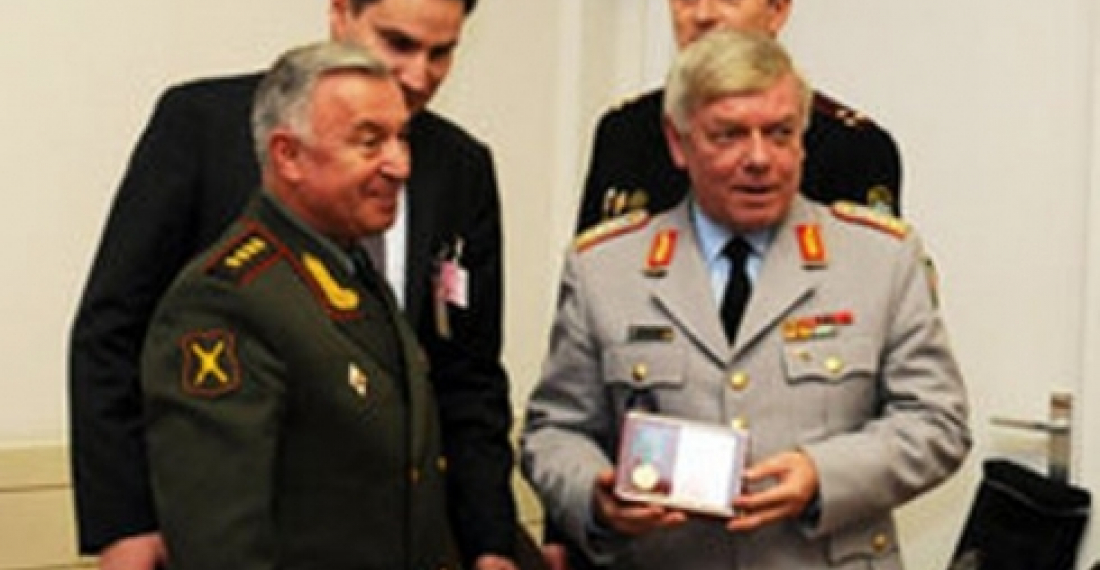
По окончанию встречи начальник Генерального штаба России, генерал Николай Макаров, вручил медали нескольким старшим офицерам НАТО. Выступая на церемонии Макаров заявил, что "наше сотрудничество с НАТО расширяется, в частности, в сферах борьбы с морским пиратством и терроризмом". Макаров похвалил офицеров НАТО за то, что сотрудничество в формате Россия-НАТО стало реальным.
Совет Россия-НАТО был создан во время саммита на высшем уровне Россия-НАТО в Риме 28 мая 2002 года. В соответствии с Римской декларацией, государства-члены НАТО и Россия работают как равные партнеры в областях, представляющих взаимный интерес в рамках СРН, который обеспечивает механизм для консультаций достижения консенсуса, сотрудничества, совместных решений и совместных действий по широкому спектру вопросов безопасности в евроатлантическом регионе. Члены СРН, действуя в рамках своих национальных возможностей и в соответствии с их коллективными обязательствами, принимают совместные решения и несут равную ответственность, индивидуально и совместно для их реализации.
С момента создания СРН, она превратилась в механизм для консультаций, достижения консенсуса, сотрудничества, совместных решений и совместных действий. В качестве примера, более 25 рабочих групп и комитетов были созданы, для развития сотрудничества в борьбе с терроризмом, распространении ОМУ, миротворческих операциях, ПРО ТВД, управлении использования воздушного пространства, гражданских чрезвычайных ситуациях, военной реформе, логистике, научно-техническом сотрудничестве в интересах мира и безопасности.
Источник: commonspace.eu по материалам ИТАР-ТАСС и www.nato.int
Фото: Генерал Николай Макаров, начальник Генштаба России награждает медалью генерал-лейтенанта Юргена Борнеманн, генерального директора Международного военного штаба НАТО по итогам заседания Совета Россия-НАТО в штаб-квартире НАТО в Брюсселе 18 января 2012 года (фотография любезно предоставлена НАТО)
СОВЕТ РОССИЯ-НАТО ОДОБРИЛ ПЛАН РАБОТЫ НА 2012
СОВЕТ РОССИЯ-НАТО ОДОБРИЛ ПЛАН РАБОТЫ НА 2012