


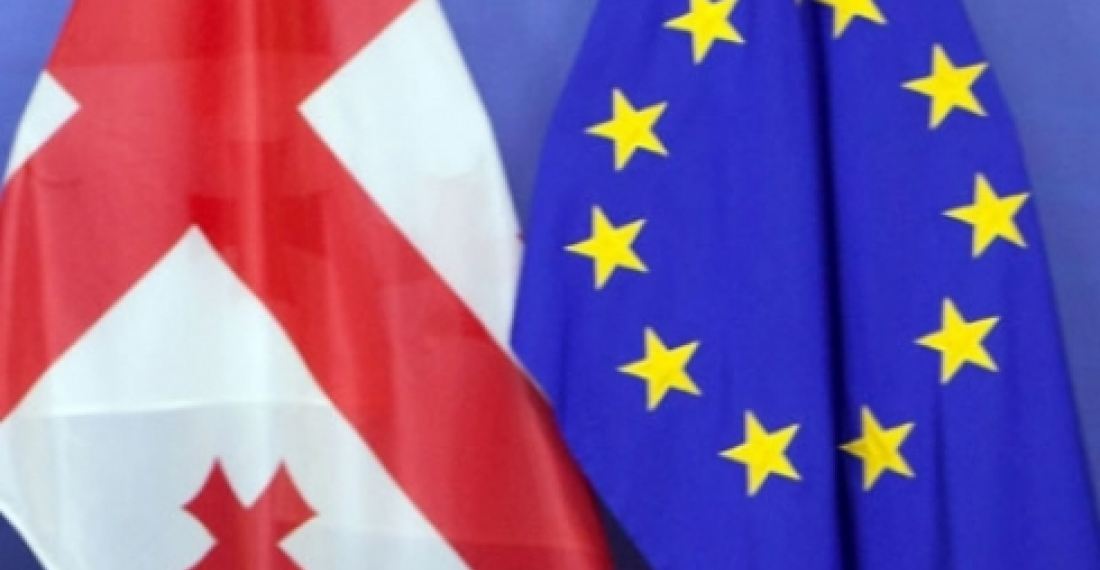
Соглашение об ассоциации между ЕС и Грузией вступает в полную силу

Соглашение об ассоциации между ЕС и Грузией, которое было подписано в июне 2014 года, вступило в силу с 1 июля 2016 года после того, как оно было ратифицировано парламентами всех 28 государств-участниц Европейского Союза. Соглашение об ассоциации, с Соглашением о глубокой и всеобъемлющей зоне свободной торговли (DCFTA), предусматривает политическую и экономическую интеграцию с ЕС за счет значительного углубления связей в этих сферах. Многие положения соглашения уже вступили в силу, а некоторые даже начали давать ощутимые результаты, такие как открытие европейских рынков для грузинского экспорта.

Отношения между ЕС-Грузия являются историей успеха. ЕС оказывал последовательную поддержку Грузии на протяжении многих лет. Однако, среди грузин есть и те, кто разочарован тем, что соглашение о либерализации визового режима еще не подписано, и отсутствует перспектива полного членства в краткосрочной и среднесрочной перспективе.

В комментарии, опубликованном сегодня утром ведущим аналитическим центром ЕС, Центр европейской политики, Деннис Саммут сказал следующее:

"Несмотря на трудности, отношения между Грузией и ЕС успешные. В настоящее время они входят в новую фазу, где акцент должен быть сделан на том, чтобы все то что было достигнуто в результате подписания АА и DCFTA работало на благо грузинского народа. Со временем будут появляться проблемы, которые будут проверять на прочность эти отношения - в основном из-за несбывшихся ожиданий - но, учитывая, что основа у отношении прочная, то и проблемы эти будут преодолены. Обе стороны должны быть готовы поддерживать долгосрочную перспективу, и ставить перед собой амбициозную повестку: гармонизация законодательства, расширение сотрудничества, особенно в области образования, а также развитие контактов между бизнесом. Такие конкретные, непрерывные инициативы также будут определять будущее."

Деннис Саммут утверждает, что правительство "Грузинской мечты" ускорило процесс евроатлантической интеграции и появление в грузинском парламенте межпартийного консенсуса по основным аспектам внешней политики является основным источником стабильности. Однако, он предостерегает, что некоторые новые популистские политические силы, часть из которых может иметь поддержку Москвы, ставят под сомнение эту политику. Несмотря на то, что они и не были представлены в парламенте последних лет, ситуация может изменится после выборов 8 октября. Эти выборы станут дальнейшим испытанием евроатлантической интеграции и обязательств Грузии." Полный текст читайте на сайте EPC здесь

источник: commonspace.eu по материалам epc.eu

 

Related articles

Editor's choice
News
Borrell tells the European Parliament that the situation in Afghanistan was critical, but the EU will remain engaged

Borrell tells the European Parliament that the situation in Afghanistan was critical, but the EU will remain engaged

Borrell underlined that the European Union will make every effort to support the peace process and to remain a committed partner to the Afghan people. "Of course, we will have to take into account the evolving situation, but disengagement is not an option.  We are clear on that: there is no alternative to a negotiated political settlement, through inclusive peace talks.
Editor's choice
News
Germany accuses Russia of cyberattacks and disinformation campaign

Germany accuses Russia of cyberattacks and disinformation campaign

The German government holds Russia responsible for a cyberattack on German air traffic control, and for targeted disinformation campaigns before the last federal election. According to the German Foreign Office in Berlin, the incidents could be clearly attributed to the Russian military intelligence service, the GRU. In response, the Russian ambassador to Berlin was summoned to the Foreign Ministry. "We have been observing a massive increase in threatening hybrid activities by Russia for some time now," a spokesperson for the Foreign Ministry stated. These range from disinformation campaigns and espionage to cyberattacks and sabotage attempts. The aim is to divide society, sow distrust, and undermine confidence in democratic institutions. The spokesperson added that with these actions, Russia is "very concretely threatening our security, not only through its war of aggression against Ukraine, but also here in Germany."  The Foreign Ministry spokesperson explained that the cyberattack on air traffic control in August 2024 was clearly attributed to the hacker collective "APT28," known as "Fancy Bear," and to the responsibility of the Russian military intelligence service, the GRU. Furthermore, it could now be "conclusively stated" that Russia had attempted "to influence and destabilize both the last Federal election and the ongoing internal affairs of the Federal Republic of Germany." There was "absolutely irrefutable evidence" for this". The so-called "Storm 1516" campaign, which has been running since 2024, is allegedly backed by "reliable information" that the Moscow-based think tank "Center for Geopolitical Expertise" is behind it. The Center is also said to be supported by Russian military intelligence. Its primary aim is to influence democratic elections in the West. (Click the image to read more).

Popular

Editor's choice
News
Germany accuses Russia of cyberattacks and disinformation campaign

Germany accuses Russia of cyberattacks and disinformation campaign

The German government holds Russia responsible for a cyberattack on German air traffic control, and for targeted disinformation campaigns before the last federal election. According to the German Foreign Office in Berlin, the incidents could be clearly attributed to the Russian military intelligence service, the GRU. In response, the Russian ambassador to Berlin was summoned to the Foreign Ministry. "We have been observing a massive increase in threatening hybrid activities by Russia for some time now," a spokesperson for the Foreign Ministry stated. These range from disinformation campaigns and espionage to cyberattacks and sabotage attempts. The aim is to divide society, sow distrust, and undermine confidence in democratic institutions. The spokesperson added that with these actions, Russia is "very concretely threatening our security, not only through its war of aggression against Ukraine, but also here in Germany."  The Foreign Ministry spokesperson explained that the cyberattack on air traffic control in August 2024 was clearly attributed to the hacker collective "APT28," known as "Fancy Bear," and to the responsibility of the Russian military intelligence service, the GRU. Furthermore, it could now be "conclusively stated" that Russia had attempted "to influence and destabilize both the last Federal election and the ongoing internal affairs of the Federal Republic of Germany." There was "absolutely irrefutable evidence" for this". The so-called "Storm 1516" campaign, which has been running since 2024, is allegedly backed by "reliable information" that the Moscow-based think tank "Center for Geopolitical Expertise" is behind it. The Center is also said to be supported by Russian military intelligence. Its primary aim is to influence democratic elections in the West. (Click the image to read more).


