Соединенные Штаты отменили санкции в отношении Ирана

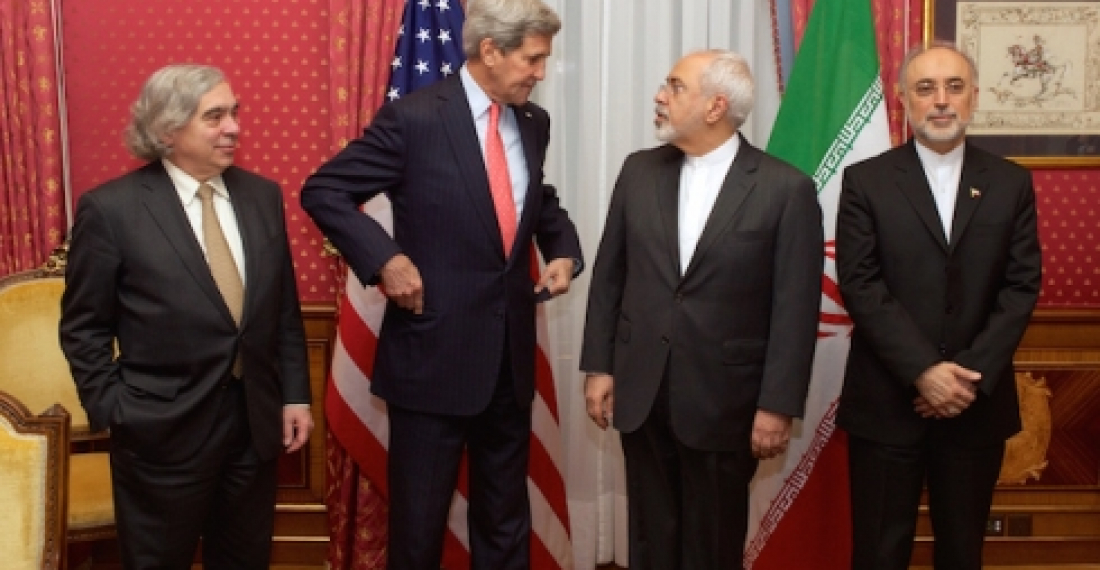
После нескольких лет переговоров США отменили масштабные санкции против Ирана, хотя и небольшое количество более узких ограничений были наложены воскресенье вечером.

Отмена торговых ограничений означает возвращение Ирана на мировой рынок нефти, его морские суда смогут пользоваться иностранными портами, и он получит доступ к мировым финансовым рынкам.

В свою очередь иранцы, которые надеются, что последние договоренности будут способствовать экономическому росту, отказываются от возможности создания ядерного оружия.

"Это хороший день", заявил президент Обама в телеобращении из Белого дома. "У нас есть редкий шанс пойти по новому пути, по другому, к лучшему будущему, который несет развитие для наших народов и всего мира."

Однако, уже в вокресенье были введены новые санкции, более узкие, чем те, что отменили в тот же день, так как в октябре Иран нарушил запрет на испытания ракет.

Трое американцев, которые находились в плену в Тегеране также были освобождены как часть в рамках налаживания более дружественных дипломатических отношений между двумя странами.

Джейсон Резаян журналист из The Washington Post, и двое других освобожденных были доставлены в Женеву в воскресенье вечером.

Министр иностранных дел Армении Эдвард Налбандян положительно оценил возможности, которые открывают отмена санкций.

"Армения стремится к углублению взаимовыгодного сотрудничества с дружественным Ираном," сказал он.

Иран граничит с Арменией и Азербайджаном, а также с Афганистаном, Ираком, Пакистаном, Турцией и Туркменистаном.

источник: commonspace.eu
 

Related articles

Editor's choice
News
Indian Foreign Minister meets Aliyev in Baku

Indian Foreign Minister meets Aliyev in Baku

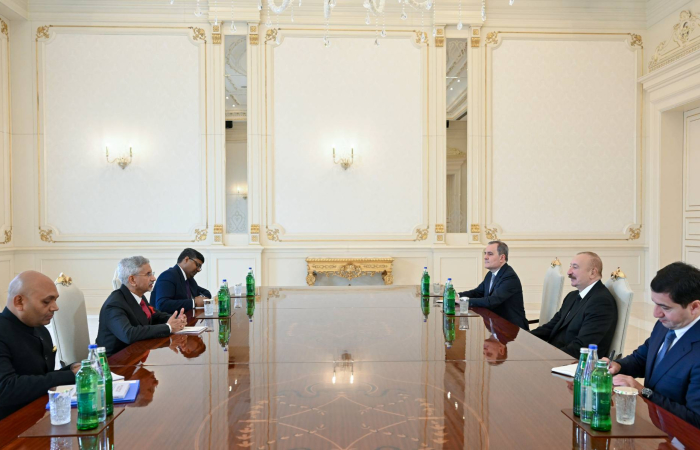
On October 23, the president of Azerbaijan Ilham Aliyev met in Baku with Subrahmanyam Jaishankar, Minister of External Affairs of India. This was the highest level visit by an Indian official to Azerbaijan in a long time. According to the website of the Azerbaijani president, Aliyev fondly recalled his meeting with Indian Prime Minister Narendra Modi in Bishkek and the exchange of views during that meeting. President Ilham Aliyev highly appreciated the visit of India’s Minister of External Affairs to Azerbaijan on the instructions of Prime Minister Narendra Modi, stressing its importance for discussing the current state and prospects of bilateral relations. During the meeting, the sides held an extensive exchange of views on the current state of relations between Azerbaijan and India, highlighting ample opportunities to develop cooperation in areas of mutual interest. The sides noted that Azerbaijan and India, as members of the Global South, share similar positions on a number of issues on the international agenda, including matters of concern to countries of the Global South. In this regard, they discussed prospects for bilateral cooperation in political, trade and economic, high-tech, cultural, humanitarian and other fields. The conversation also touched upon the importance of cooperation within international organizations. The sides emphasized the need to intensify political contacts and organize reciprocal visits at various levels, including exchanges involving economic and business delegations, to further advance bilateral relations.

Popular

Editor's choice
Interview
Thursday Interview: Murad Muradov

Thursday Interview: Murad Muradov

Today, commonspace.eu starts a new regular weekly series. THURSDAY INTERVIEW, conducted by Lauri Nikulainen, will host  persons who are thinkers, opinion shapers, and implementors in their countries and spheres. We start the series with an interview with Murad Muradov, a leading person in Azerbaijan's think tank community. He is also the first co-chair of the Action Committee for a new Armenian-Azerbaijani Dialogue. Last September he made history by being the first Azerbaijani civil society activist to visit Armenia after the 44 day war, and the start of the peace process. Speaking about this visit Murad Muradov said: "My experience was largely positive. My negative expectations luckily didn’t play out. The discussions were respectful, the panel format bringing together experts from Armenia, Azerbaijan, and Turkey was particularly valuable during the NATO Rose-Roth Seminar in Yerevan, and media coverage, while varied in tone, remained largely constructive. Some media outlets though attempted to represent me as more of a government mouthpiece than an independent expert, which was totally misleading.  Overall, I see these initiatives as important steps in rebuilding trust and normalising professional engagement. The fact that soon a larger Azerbaijani civil society visits to Armenia followed, reinforces the sense that this process is moving in the right direction." (click the image to read the interview in full)