РОССИЯ СТРЕМИТСЯ К ЭКСПАНСИИ НА ПОЛЯРНОМ КРУГЕ
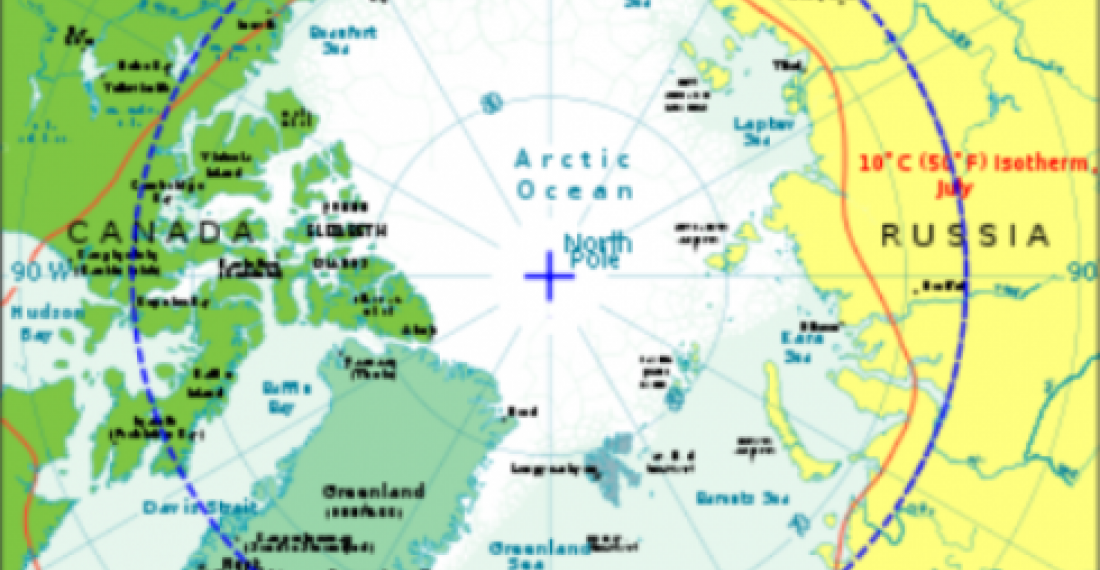
Президент России Дмитрий Медведев заявил на встрече с работниками предприятия "Амуркабель" в пятницу в Хабаровске  (11 ноября), что Россия будет защищать свои интересы в Арктике и сделает инвестиции в региональные работы по освоению.

"Все решения на этот счет не только подготовлены, они приняты", отметил он. "Это наше море, наши берега и пространства, и ресурсы, которые там находятся", сказал президент. Если мы не будем вкладывать деньги в это, то придут страны из других регионов". Ряд стран из других регионов уже заявили о своих интересах в Арктике, отметил Медведев. "Таким образом они собираются прийти туда, а мы не собираемся?", иронично подчеркнул президент. "Мы будем обязательно делать инвестиции в исследования и будем защищать наши интересы в регионе", подчеркнул Медведев.


Относительно мало людей проживает на северном Полярном круге из-за климата Арктики. Три крупнейшие общины Полярного круга расположены в России: Мурманск (население 325 100), Норильск (135000) и Воркута (85 000). Тромсе (Норвегия), имеет около 62000 жителей. В отличие от крупнейшего североамериканского сообщества к северу от круга, Сисимут (Гренландия) насчитывает около 5000 жителей, в то время, как между Канадой и США, Барроу, Аляска, является крупнейшим населенным пунктом примерно с 4000 жителями. Рованиеми (Финляндия), который находится чуть к югу от линии, имеет население около 58 тысяч, и находится в непосредственной близости от Полярного круга. Однако ряд стран, граничащих с регионом, включая Россию, США и Канаду, в последние годы заявили, что претендуют на экономические ресурсы региона и указали, что они готовы преследовать их при поддержке вооруженных сил, если будет необходимо.


Президент России отправился на Гавайи, где он примет участие в региональном Азиатско-Тихоокеанском саммите и, где намечены двусторонние встречи с президентом США Бараком Обамой.


Источник: commonspace.eu по материалам агентств

Related articles

Editor's choice
News
The British prime minister says Europe must "stand on its own two feet" when it comes to defence

The British prime minister says Europe must "stand on its own two feet" when it comes to defence

The UK will deploy a carrier strike group, led by the aircraft carrier HMS Prince of Wales to the Arctic and the High North as part of efforts to bolster security against Russian threats. British prime minister, Sir Keir Starmer announced the deployment in a speech on Saturday (14 February) at the Munich Security Conference. Europe must be ready to fight to protect its people, values, and way of life,  Sir Keir told the Conference. Starmer also called for deeper links and cooperation, including economic ties, between the UK and EU. The PM stressed the continent must "stand on its own two feet" when it comes to defence commitments. "We must build our hard power, because that is the currency of the age," he told the conference. (Click image to read the full story).

Popular

Editor's choice
Interview
Thursday Interview: Murad Muradov

Thursday Interview: Murad Muradov

Today, commonspace.eu starts a new regular weekly series. THURSDAY INTERVIEW, conducted by Lauri Nikulainen, will host  persons who are thinkers, opinion shapers, and implementors in their countries and spheres. We start the series with an interview with Murad Muradov, a leading person in Azerbaijan's think tank community. He is also the first co-chair of the Action Committee for a new Armenian-Azerbaijani Dialogue. Last September he made history by being the first Azerbaijani civil society activist to visit Armenia after the 44 day war, and the start of the peace process. Speaking about this visit Murad Muradov said: "My experience was largely positive. My negative expectations luckily didn’t play out. The discussions were respectful, the panel format bringing together experts from Armenia, Azerbaijan, and Turkey was particularly valuable during the NATO Rose-Roth Seminar in Yerevan, and media coverage, while varied in tone, remained largely constructive. Some media outlets though attempted to represent me as more of a government mouthpiece than an independent expert, which was totally misleading.  Overall, I see these initiatives as important steps in rebuilding trust and normalising professional engagement. The fact that soon a larger Azerbaijani civil society visits to Armenia followed, reinforces the sense that this process is moving in the right direction." (click the image to read the interview in full)