Россия продолжит содействовать нагорно-карабахскому урегулированию
БАКУ, 6 дек – 1NEWS.AZ

Россия вместе с сопредседателями Минской группы ОБСЕ продолжит работу по нахождению мирного и долгосрочного решения нагорно-карабахского конфликта между Арменией и Азербайджаном.

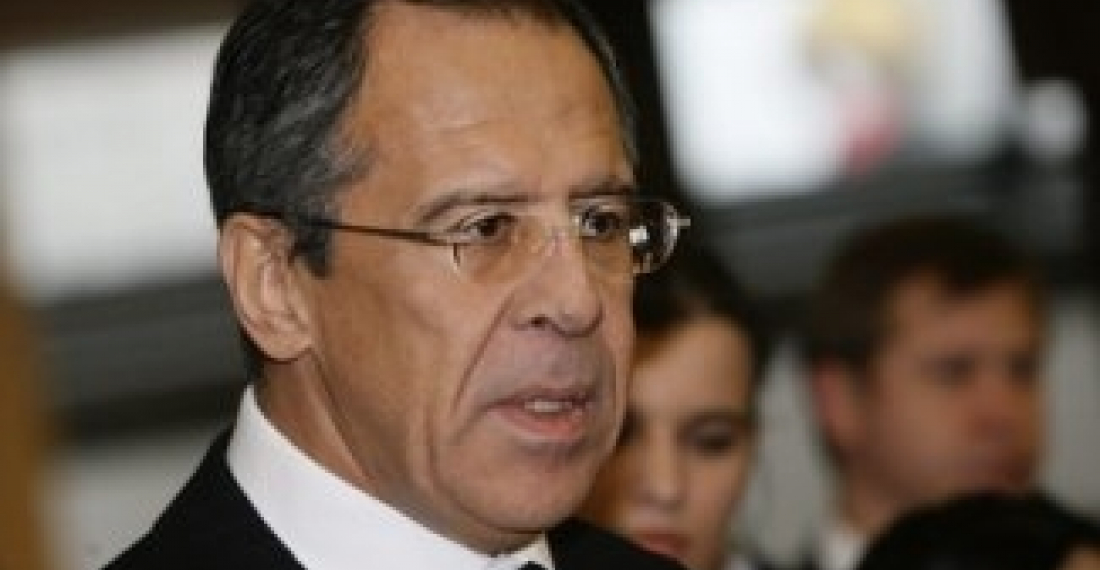
Об этом заявил глава российского МИД Сергей Лавров, выступая в четверг на ежегодном министерском заседании ОБСЕ в Дублине.

«Вместе с другими сопредседателями Минской группы ОБСЕ – Соединенными Штатами и Францией – мы продолжим содействовать сближению позиций сторон нагорно-карабахского конфликта», - заявил министр.

Россия, по словам Лаврова, видит урегулирование конфликта на основе мирных переговоров между конфликтующими сторонами.

Нагорно-карабахский конфликт между Арменией и Азербайджаном остается неразрешенным более 20 лет несмотря на усилия международных посредников. 20 процентов территории Азербайджана, включая Нагорный Карабах и семь прилегающих к нему районов, до сих пор находятся под оккупацией вооруженных сил Армении.

Несмотря на действие режима прекращения огня, ситуация на линии соприкосновения войск нестабильная, все чаще звучат заявления о тупиковой ситуации в переговорном процессе и вероятности разрешения конфликта военным путем.
Нерешенные конфликты министр Лавров назвал одной из основных угроз безопасности на пространстве ОБСЕ наряду с трафикингом, кибер-угрозами, наркоторговлей и другими.

«Затяжные конфликты на пространстве ОБСЕ насчитывают уже не одно десятилетие, - сказал он, поприветствовав инициативу действующего председателя ОБСЕ Эймона Гилмора по ознакомлению стран-участниц с опытом решения конфликта в Северной Ирландии.

Урегулирование затяжных конфликтов на пространстве ОБСЕ было одним из приоритетов ирландского председательства в 2012 году. В течение года был проведен ряд мероприятий, с помощью которых Ирландия попыталась поделиться своим опытом в этом вопросе.

Говоря о еще одном конфликте на пространстве ОБСЕ – Приднестровском, Лавров отметил, что Россия поддерживает последовательное наращивание мер доверия и практического взаимодействия, создавая тем самым условия для согласования жизнеспособного и политического решения проблемы.

Елена Остапенко, В.Т.

Related articles

Editor's choice
News
The British prime minister says Europe must "stand on its own two feet" when it comes to defence

The British prime minister says Europe must "stand on its own two feet" when it comes to defence

The UK will deploy a carrier strike group, led by the aircraft carrier HMS Prince of Wales to the Arctic and the High North as part of efforts to bolster security against Russian threats. British prime minister, Sir Keir Starmer announced the deployment in a speech on Saturday (14 February) at the Munich Security Conference. Europe must be ready to fight to protect its people, values, and way of life,  Sir Keir told the Conference. Starmer also called for deeper links and cooperation, including economic ties, between the UK and EU. The PM stressed the continent must "stand on its own two feet" when it comes to defence commitments. "We must build our hard power, because that is the currency of the age," he told the conference. (Click image to read the full story).

Popular

Editor's choice
Interview
Thursday Interview: Murad Muradov

Thursday Interview: Murad Muradov

Today, commonspace.eu starts a new regular weekly series. THURSDAY INTERVIEW, conducted by Lauri Nikulainen, will host  persons who are thinkers, opinion shapers, and implementors in their countries and spheres. We start the series with an interview with Murad Muradov, a leading person in Azerbaijan's think tank community. He is also the first co-chair of the Action Committee for a new Armenian-Azerbaijani Dialogue. Last September he made history by being the first Azerbaijani civil society activist to visit Armenia after the 44 day war, and the start of the peace process. Speaking about this visit Murad Muradov said: "My experience was largely positive. My negative expectations luckily didn’t play out. The discussions were respectful, the panel format bringing together experts from Armenia, Azerbaijan, and Turkey was particularly valuable during the NATO Rose-Roth Seminar in Yerevan, and media coverage, while varied in tone, remained largely constructive. Some media outlets though attempted to represent me as more of a government mouthpiece than an independent expert, which was totally misleading.  Overall, I see these initiatives as important steps in rebuilding trust and normalising professional engagement. The fact that soon a larger Azerbaijani civil society visits to Armenia followed, reinforces the sense that this process is moving in the right direction." (click the image to read the interview in full)