


Президент Армении: Международное сообщество в карабахском вопросе руководствуется двойными стандартами

Международное сообщество в карабахском вопросе применяет двойные стандарты. Об этом в интервью итальянскому Quotidiano Nazionale заявил президент Армении Серж Саргсян.

Отвечая на замечание итальянского журналиста о том, что ситуация вокруг процесса по мирному урегулированию карабахского конфликта не внушает оптимизма с учетом нефтяного воздействия Азербайджана, глава Армении заметил, что сей факт также является проявлением двойных стандартов. "Косовский вопрос решился при международном военном вмешательстве, в то время, как в вопросе Нагорного Карабаха царит полное забвение",- заявил Саркисян.

При этом президент Армении заметил, что нефтяной фактор в настоящее время является доминантным в продвижении азербайджанских позиций, но этот фактор не может вечно превалировать над другими вопросами. <Одной из последних новостей стало то, что Азербайджан пытается противиться присутствию BP в этой стране, между тем, как данная корпорация всегда играла важную роль в экономике Азербайджана. В Баку считают, что могут освободиться от британского присутствия, следовательно, все противовесы могут измениться",- заметил Серж Саргсян.

При этом он выразил оптимизм относительно переговоров по Нагорному Карабаху, в случае, если Азербайджан не будет выступать с позиций фанатизма и нетерпимости. <Именно проявлением фанатизма стал тот факт, что Азербайджан героизировал преступника, убившего спящего армянина><- заметил Серж Саргсян, подчеркнув, что позиция армянской стороны совпадает с позицией Минской группы ОБСЕ, которая настаивает на дипломатическом решении проблемы на основе трех международных принципов - права народа на самоопределение, неприменение силы и территориальной целостности государств.

Начало карабахскому конфликту было положено в 1988 году, после заявления преимущественно населенного армянами Нагорного Карабаха о выходе из состава Азербайджана. 10 декабря 1991 года в Нагорном Карабахе состоялся референдум, где 99,89% высказались за полную независимость от Азербайджана. Инициированные Азербайджаном вслед за этим широкомасштабные боевые действия привели к потере контроля не только над Нагорным Карабахом, но и прилегающими к нему семью районами. С 12 мая 1994 года после вступления в силу трехстороннего соглашения о перемирии в зоне конфликта прекращены военные действия, в результате которых с обеих сторон погибло примерно 25-30 тысяч человек, и около 1 миллиона были вынуждены покинуть свои дома. Соглашение об установлении режима прекращения огня соблюдается до сих пор. С 1992 года ведутся переговоры по мирному урегулированию конфликта в рамках Минской группы ОБСЕ, сопредседателями которой являются США, Россия и Франция.
Related articles

Editor's choice
News
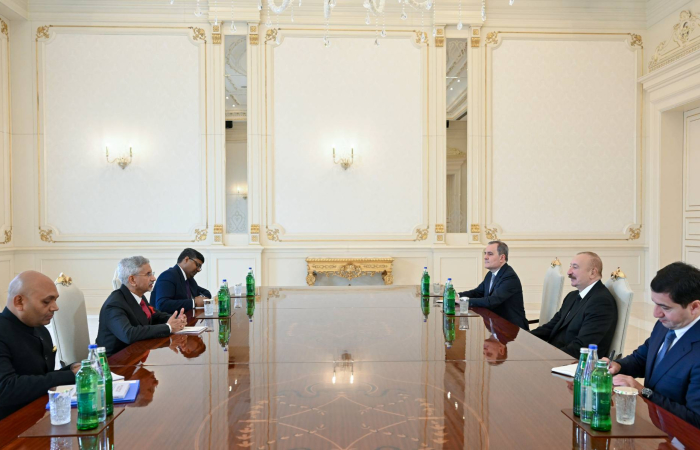
Indian Foreign Minister meets Aliyev in Baku

Indian Foreign Minister meets Aliyev in Baku

On October 23, President of the Republic of Azerbaijan Ilham Aliyev received Subrahmanyam Jaishankar, Minister of External Affairs of the Republic of India. The Minister first conveyed the greetings of Indian President Droupadi Murmu and Prime Minister Narendra Modi to the head of state. Recalling the meeting between the President of Azerbaijan and the Prime Minister of India in Bishkek, Subrahmanyam Jaishankar said that he was visiting Azerbaijan on the instructions of Prime Minister Narendra Modi. President Ilham Aliyev expressed his gratitude for the greetings and asked the Minister to convey his regards to the President and Prime Minister of India. The head of state fondly recalled his meeting with Indian Prime Minister Narendra Modi in Bishkek and the exchange of views during that meeting. President Ilham Aliyev highly appreciated the visit of India’s Minister of External Affairs to Azerbaijan on the instructions of Prime Minister Narendra Modi, stressing its importance for discussing the current state and prospects of bilateral relations. During the meeting, the sides held an extensive exchange of views on the current state of relations between Azerbaijan and India, highlighting ample opportunities to develop cooperation in areas of mutual interest. The sides noted that Azerbaijan and India, as members of the Global South, share similar positions on a number of issues on the international agenda, including matters of concern to countries of the Global South. In this regard, they discussed prospects for bilateral cooperation in political, trade and economic, high-tech, cultural, humanitarian and other fields. The conversation also touched upon the importance of cooperation within international organizations. The sides emphasized the need to intensify political contacts and organize reciprocal visits at various levels, including exchanges involving economic and business delegations, to further advance bilateral relations.

Popular

Editor's choice
Interview
Thursday Interview: Murad Muradov

Thursday Interview: Murad Muradov

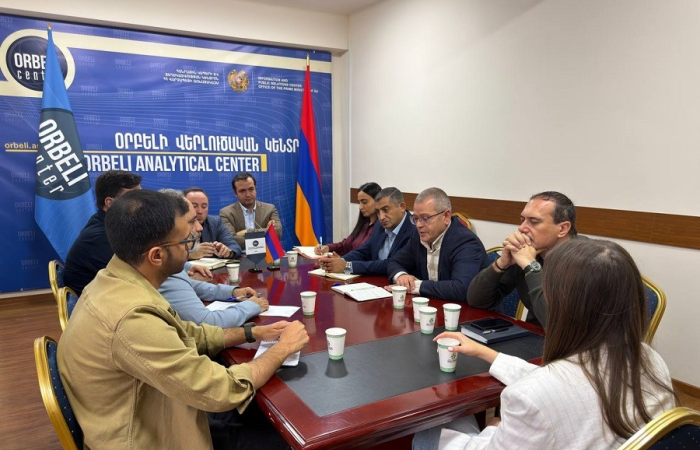
Today, commonspace.eu starts a new regular weekly series. THURSDAY INTERVIEW, conducted by Lauri Nikulainen, will host  persons who are thinkers, opinion shapers, and implementors in their countries and spheres. We start the series with an interview with Murad Muradov, a leading person in Azerbaijan's think tank community. He is also the first co-chair of the Action Committee for a new Armenian-Azerbaijani Dialogue. Last September he made history by being the first Azerbaijani civil society activist to visit Armenia after the 44 day war, and the start of the peace process. Speaking about this visit Murad Muradov said: "My experience was largely positive. My negative expectations luckily didn’t play out. The discussions were respectful, the panel format bringing together experts from Armenia, Azerbaijan, and Turkey was particularly valuable during the NATO Rose-Roth Seminar in Yerevan, and media coverage, while varied in tone, remained largely constructive. Some media outlets though attempted to represent me as more of a government mouthpiece than an independent expert, which was totally misleading.  Overall, I see these initiatives as important steps in rebuilding trust and normalising professional engagement. The fact that soon a larger Azerbaijani civil society visits to Armenia followed, reinforces the sense that this process is moving in the right direction." (click the image to read the interview in full)

