


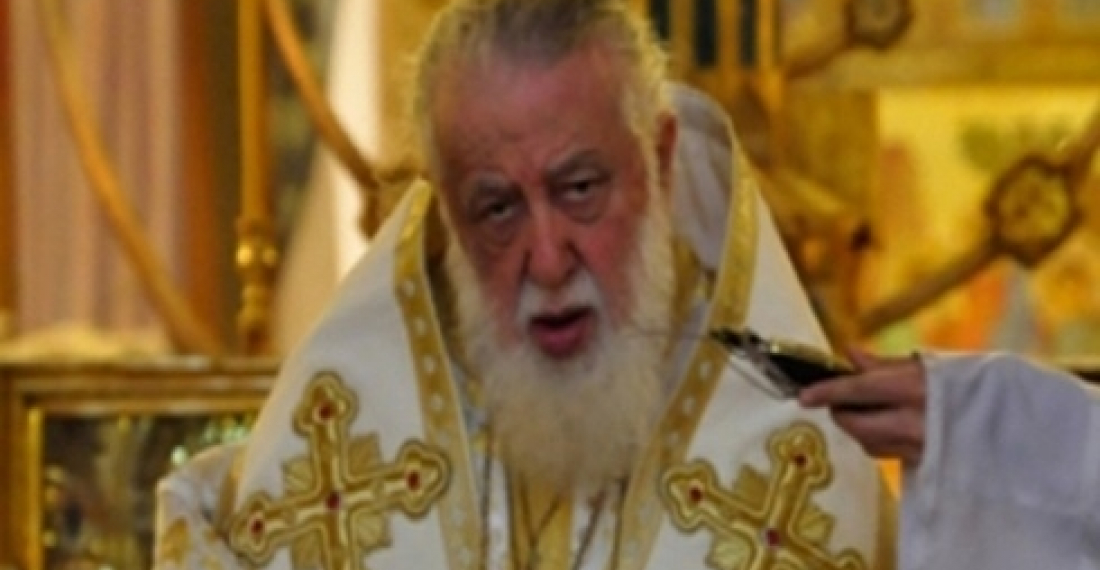
Православные христиане празднуют Пасху

Это статья была подготовлена Джозефом Александром Смито

В Грузии, где более 80% населения принадлежат Православной Церкви, в полночь зазвонили церковные колокола, чтобы отпраздновать праздник Воскресения. Грузины обычно в Пасху окрашивают яйца в красный цвет. Верующие обязательно посещают в течение следующей недели после Пасхи могилы умерших родственников, где оставляют на могиле символы этого праздника яйца и пасху и произносят тосты за ушедших.

Духовный глава Грузинской Православной Церкви, Патриарх-Католикос Илия II, праздновал пасхальное богослужение в древней столице Грузии, в Мцхете, а не в главном Свято-Троицком соборе, что в Тбилиси, как он делал это раньше. В прошлом году Патриарх Илия присвоил Мцхете звание "Святой город" в знак признания её важности для грузинских христиан.

Святая Нино крестила Царя Мириана III и его жену Царицу Нану в Мцхете в 332 году, что делает Грузию вторым в мире государством после Армении официально принявшим христианство. Национальная церковь Армении, Армянская Апостольская Церковь, праздновала Пасху 5 апреля вместе с западным церковным миром.

Как и во многих других православных странах, грузины ждали прибытия "Благодатного огня" из Иерусалима. По православной традиции, синее пламя спонтанно образуется на могиле Христа около полудня в субботу перед православной Пасхой каждый год.

После проверки на наличие спичек или зажигалок израильской полицией, греческий Патриарх Иерусалима попадает в усыпальницу с 33 свечами. Через несколько минут он выходит, несущий огонь, - которые как некоторые считают чудом и что он не обожжет их, - который затем доставляется специальными рейсами в православные страны и в конечном итоге в каждую церковь.

Пасха также отмечается этническими русскими в Азербайджане и Армении. В столице Азербайджана, Баку, есть две церкви русской общины города, которые были построены во времена имперской экспансии в начале 19 века.

Также существует небольшая русская православная церковь в Ереване, которая является военной часовней на 102 российской военной базе в Гюмри, где в этом году наблюдалась напряженность после убийства местной семьи одним из проходивших службу на этой базе. Также около 3500 российских военнослужащих, проходят военную службу в Абхазии, и до 4000 в Южной Осетии.

Президент Южной Осетии Леонид Тибилов выразил свои поздравления православным в Южной Осетии, сказав: "Не случайно Основной Закон Республики Южная Осетия ссылается на православие как традиционную религию осетин."

Источник: Этот материал был подготовлен Джозефом Александром Смитом для commonspace.eu

Фото: Католикос-Патриарх всея Грузии, Архиепископ Мцхета-Тбилиси. и митрополит Абхазии и Пицунды, Святейший и Блаженнейший Илия II (фото любезно предоставлено http://pia.ge)


 

Related articles

Editor's choice
News
Borrell tells the European Parliament that the situation in Afghanistan was critical, but the EU will remain engaged

Borrell tells the European Parliament that the situation in Afghanistan was critical, but the EU will remain engaged

Borrell underlined that the European Union will make every effort to support the peace process and to remain a committed partner to the Afghan people. "Of course, we will have to take into account the evolving situation, but disengagement is not an option.  We are clear on that: there is no alternative to a negotiated political settlement, through inclusive peace talks.
Editor's choice
News
Germany accuses Russia of cyberattacks and disinformation campaign

Germany accuses Russia of cyberattacks and disinformation campaign

The German government holds Russia responsible for a cyberattack on German air traffic control, and for targeted disinformation campaigns before the last federal election. According to the German Foreign Office in Berlin, the incidents could be clearly attributed to the Russian military intelligence service, the GRU. In response, the Russian ambassador to Berlin was summoned to the Foreign Ministry. "We have been observing a massive increase in threatening hybrid activities by Russia for some time now," a spokesperson for the Foreign Ministry stated. These range from disinformation campaigns and espionage to cyberattacks and sabotage attempts. The aim is to divide society, sow distrust, and undermine confidence in democratic institutions. The spokesperson added that with these actions, Russia is "very concretely threatening our security, not only through its war of aggression against Ukraine, but also here in Germany."  The Foreign Ministry spokesperson explained that the cyberattack on air traffic control in August 2024 was clearly attributed to the hacker collective "APT28," known as "Fancy Bear," and to the responsibility of the Russian military intelligence service, the GRU. Furthermore, it could now be "conclusively stated" that Russia had attempted "to influence and destabilize both the last Federal election and the ongoing internal affairs of the Federal Republic of Germany." There was "absolutely irrefutable evidence" for this". The so-called "Storm 1516" campaign, which has been running since 2024, is allegedly backed by "reliable information" that the Moscow-based think tank "Center for Geopolitical Expertise" is behind it. The Center is also said to be supported by Russian military intelligence. Its primary aim is to influence democratic elections in the West. (Click the image to read more).

Popular

Editor's choice
News
Germany accuses Russia of cyberattacks and disinformation campaign

Germany accuses Russia of cyberattacks and disinformation campaign

The German government holds Russia responsible for a cyberattack on German air traffic control, and for targeted disinformation campaigns before the last federal election. According to the German Foreign Office in Berlin, the incidents could be clearly attributed to the Russian military intelligence service, the GRU. In response, the Russian ambassador to Berlin was summoned to the Foreign Ministry. "We have been observing a massive increase in threatening hybrid activities by Russia for some time now," a spokesperson for the Foreign Ministry stated. These range from disinformation campaigns and espionage to cyberattacks and sabotage attempts. The aim is to divide society, sow distrust, and undermine confidence in democratic institutions. The spokesperson added that with these actions, Russia is "very concretely threatening our security, not only through its war of aggression against Ukraine, but also here in Germany."  The Foreign Ministry spokesperson explained that the cyberattack on air traffic control in August 2024 was clearly attributed to the hacker collective "APT28," known as "Fancy Bear," and to the responsibility of the Russian military intelligence service, the GRU. Furthermore, it could now be "conclusively stated" that Russia had attempted "to influence and destabilize both the last Federal election and the ongoing internal affairs of the Federal Republic of Germany." There was "absolutely irrefutable evidence" for this". The so-called "Storm 1516" campaign, which has been running since 2024, is allegedly backed by "reliable information" that the Moscow-based think tank "Center for Geopolitical Expertise" is behind it. The Center is also said to be supported by Russian military intelligence. Its primary aim is to influence democratic elections in the West. (Click the image to read more).

