


Позитивный тренд в отношениях между ЕС и Азербайджаном

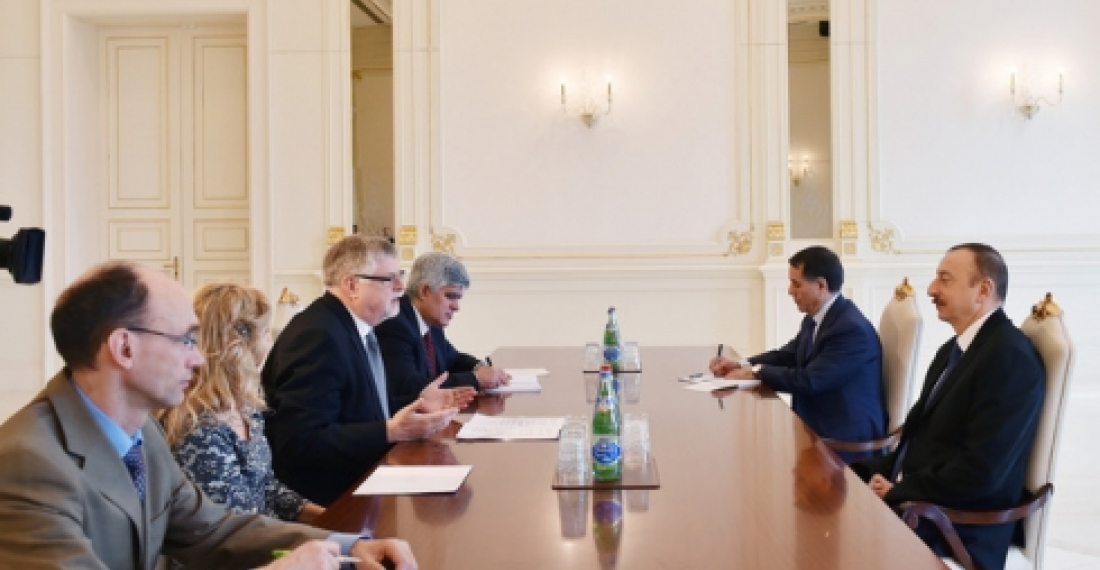
Специальный представитель ЕС по Южному Кавказу Герберт Зальбер посетил с рабочим визитом Баку, где он провел рабочие встречи с президентом Азербайджана, с главой МИД и другими официальными лицами. Специальный представитель ЕС положительно оценил визит в Азербайджан.

"В ходе визита я провел встречи с Президентом Азербайджана Ильхамом Алиевым, главой МИД Эльмаром Мамедъяровым. Мы обсудили полный спектр двустороннего сотрудничества, вопрос урегулирования нагорно-карабахского конфликта, уточнили детали договоренностей, достигнутых в ходе визита представителя ЕС Федерики Могерини в Азербайджан," - сообщил в интервью агентству Trend.az, Герберт Зальбер.

По его словам "основной этап переговоров по стратегическому соглашению между Европейским союзом (ЕС) и Азербайджаном завершится летом текущего года. Новое соглашение по двустороннему партнерству охватит все аспекты сотрудничества ЕС и Азербайджана, кроме того, в документе найдет свое отражение и нагорно-карабахский конфликт."

На встрече с президентом Азербайджана, Ильхамом Алиевым, Герберт Зальбер сказал, что "после визита в Азербайджан Федерики Могерини открылись хорошие возможности для дальнейшего расширения сотрудничества." Он отметил, что Европейский Союз может внести вклад в дело урегулирования армяно-азербайджанского, нагорно-карабахского конфликта.

В свою очередь президент Алиев выразил удовлетворение сотрудничеством между Азербайджаном и Европейским Союзом, и сказал, что "наше будущее партнерство имеет хорошие перспективы".

Во время встречи с главой МИД Азербайджана Эльмаром Мамедъяровым спецпредставитель сказал, что "переговоры по разрешению конфликта продолжаются уже более 20 лет, были предложены многие пути его урегулирования, и дело - за выбором сторон."

Министр иностранных дел Азербайджана Эльмар Мамедъяров на встрече со спецпредставителем ЕС, говоря об урегулировании конфликта между Арменией и Азербайджаном, отметил, что нужно наладить контакты и диалог между азербайджанской и армянской общинами Нагорного Карабаха.

Стороны также отметили значимость сотрудничества между ЕС и Азербайджаном в энергетической сфере, проекты «TAP» и «TANAP». Также стороны обсудили вопросы сотрудничества в научной, образовательной, гуманитарной и других сферах.

Заместитель руководителя Администрации президента, заведующий отделом иностранных связей Новруз Мамедов, комментируя отношения между Азербайджаном и ЕС заявил, что "в отношениях Азербайджана и Запада имели место определенные проблемы, сегодня проблемы в отношениях Азербайджана и Запада уже находятся на стадии устранения."

Мамедов отметил, что переговоры президента Азербайджана Ильхама Алиева с лидерами ЕС на важных конференциях, форумах, а также последние визиты лидеров ЕС в Азербайджан и проведенные с ними переговоры демонстрируют динамическое развитие отношений.

источник: commonspace.eu по материалам president.az, trend.az

 

Related articles

Editor's choice
News
Borrell tells the European Parliament that the situation in Afghanistan was critical, but the EU will remain engaged

Borrell tells the European Parliament that the situation in Afghanistan was critical, but the EU will remain engaged

Borrell underlined that the European Union will make every effort to support the peace process and to remain a committed partner to the Afghan people. "Of course, we will have to take into account the evolving situation, but disengagement is not an option.  We are clear on that: there is no alternative to a negotiated political settlement, through inclusive peace talks.
Editor's choice
News
Germany accuses Russia of cyberattacks and disinformation campaign

Germany accuses Russia of cyberattacks and disinformation campaign

The German government holds Russia responsible for a cyberattack on German air traffic control, and for targeted disinformation campaigns before the last federal election. According to the German Foreign Office in Berlin, the incidents could be clearly attributed to the Russian military intelligence service, the GRU. In response, the Russian ambassador to Berlin was summoned to the Foreign Ministry. "We have been observing a massive increase in threatening hybrid activities by Russia for some time now," a spokesperson for the Foreign Ministry stated. These range from disinformation campaigns and espionage to cyberattacks and sabotage attempts. The aim is to divide society, sow distrust, and undermine confidence in democratic institutions. The spokesperson added that with these actions, Russia is "very concretely threatening our security, not only through its war of aggression against Ukraine, but also here in Germany."  The Foreign Ministry spokesperson explained that the cyberattack on air traffic control in August 2024 was clearly attributed to the hacker collective "APT28," known as "Fancy Bear," and to the responsibility of the Russian military intelligence service, the GRU. Furthermore, it could now be "conclusively stated" that Russia had attempted "to influence and destabilize both the last Federal election and the ongoing internal affairs of the Federal Republic of Germany." There was "absolutely irrefutable evidence" for this". The so-called "Storm 1516" campaign, which has been running since 2024, is allegedly backed by "reliable information" that the Moscow-based think tank "Center for Geopolitical Expertise" is behind it. The Center is also said to be supported by Russian military intelligence. Its primary aim is to influence democratic elections in the West. (Click the image to read more).

Popular

Editor's choice
News
Germany accuses Russia of cyberattacks and disinformation campaign

Germany accuses Russia of cyberattacks and disinformation campaign

The German government holds Russia responsible for a cyberattack on German air traffic control, and for targeted disinformation campaigns before the last federal election. According to the German Foreign Office in Berlin, the incidents could be clearly attributed to the Russian military intelligence service, the GRU. In response, the Russian ambassador to Berlin was summoned to the Foreign Ministry. "We have been observing a massive increase in threatening hybrid activities by Russia for some time now," a spokesperson for the Foreign Ministry stated. These range from disinformation campaigns and espionage to cyberattacks and sabotage attempts. The aim is to divide society, sow distrust, and undermine confidence in democratic institutions. The spokesperson added that with these actions, Russia is "very concretely threatening our security, not only through its war of aggression against Ukraine, but also here in Germany."  The Foreign Ministry spokesperson explained that the cyberattack on air traffic control in August 2024 was clearly attributed to the hacker collective "APT28," known as "Fancy Bear," and to the responsibility of the Russian military intelligence service, the GRU. Furthermore, it could now be "conclusively stated" that Russia had attempted "to influence and destabilize both the last Federal election and the ongoing internal affairs of the Federal Republic of Germany." There was "absolutely irrefutable evidence" for this". The so-called "Storm 1516" campaign, which has been running since 2024, is allegedly backed by "reliable information" that the Moscow-based think tank "Center for Geopolitical Expertise" is behind it. The Center is also said to be supported by Russian military intelligence. Its primary aim is to influence democratic elections in the West. (Click the image to read more).


