


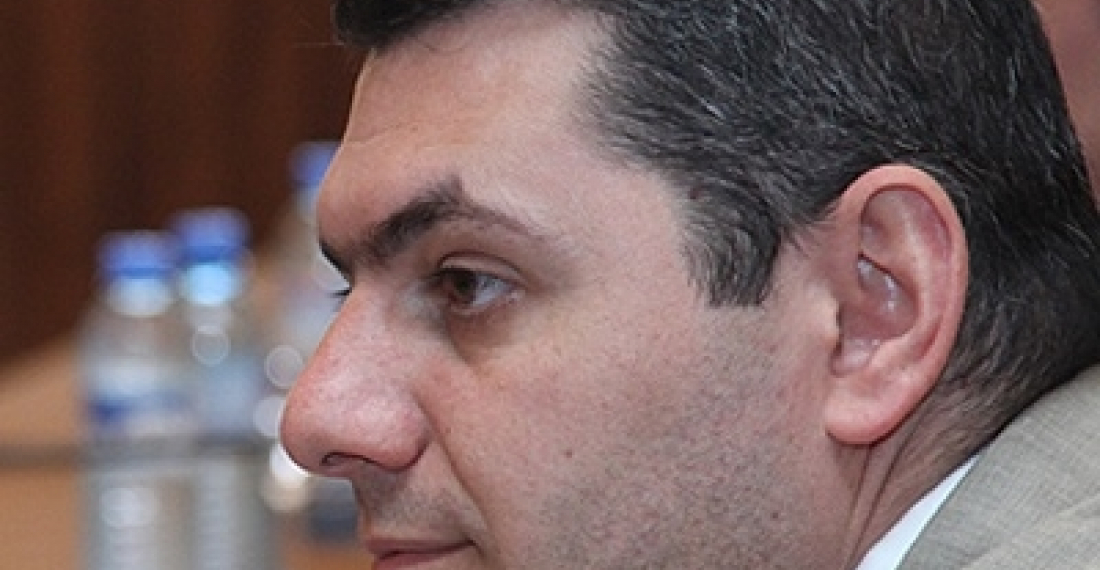
Политолог:

Обращение госсекретаря США Хилари Клинтон к Турции ратифицировать армяно-турецкие протоколы свидетельствует о том, что в США помнят о необходимости нормализации армяно-турецких отношений и остаются приверженными данному процессу. Подобное мнение сегодня на пресс-конференции в Ереване выразил политолог Сергей Минасян.

"У США есть серьезные рычаги давления на Турцию.  Однако, на данный момент, США не захотят их использовать против Турции в плане ратификации протоколов. Заявление Хилари Клинтон демонстрирует желание США наладить процесс примирения между Арменией и Турцией", - отметил он.

Минасян отметил, что на данный момент армяно-турецкие протоколы не ратифицированы и находятся в полумертвом состоянии, но у Армении и Турции нет иного выхода, как установить отношения посредством данных протоколов, поскольку лучшего документа, скорее всего не удастся разработать. "Несмотря на то, что данный документ кажется неприемлемым для турецкой и армянской общественностей, тем не менее, вряд ли стоит ожидать разработки такого документа, который бы устроил всех. Сколько бы мы не были разочарованы позицией Турции, армяно-турецкий процесс продолжится лишь в соответствии с логикой этих протоколов. В них нет ни слова о Карабахе, а об историческом прошлом говорится довольно неконкретными терминами, которые позволяют сторонам интерпретировать их по-разному", - заявил политолог.

Напомним, что между Турцией и Арменией отсутствуют дипломатические отношения, граница между двумя странами закрыта с 1993 года по инициативе официальной Анкары. Сложные отношения между двумя странами вызваны, в частности, поддержкой Анкарой азербайджанской позиции в карабахской проблеме и острой реакцией Турции на процесс международного признания Геноцида армян 1915 года в Османской империи.

Однако, 10-го октября 2009г. в Цюрихе были подписаны армяно-турецкие протоколы. Позднее процесс их ратификации из-за деструктивной позиции Турции был приостановлен. В августе 2011г. Анкара сняла с повестки дня парламента Турции эти протоколы, однако, несколько недель назад вновь вернула в законодательный орган.


 

Related articles

Editor's choice
News
The British prime minister says Europe must "stand on its own two feet" when it comes to defence

The British prime minister says Europe must "stand on its own two feet" when it comes to defence

The UK will deploy a carrier strike group, led by the aircraft carrier HMS Prince of Wales to the Arctic and the High North as part of efforts to bolster security against Russian threats. British prime minister, Sir Keir Starmer announced the deployment in a speech on Saturday (14 February) at the Munich Security Conference. Europe must be ready to fight to protect its people, values, and way of life,  Sir Keir told the Conference. Starmer also called for deeper links and cooperation, including economic ties, between the UK and EU. The PM stressed the continent must "stand on its own two feet" when it comes to defence commitments. "We must build our hard power, because that is the currency of the age," he told the conference. (Click image to read the full story).

Popular

Editor's choice
Interview
Thursday Interview: Murad Muradov

Thursday Interview: Murad Muradov

Today, commonspace.eu starts a new regular weekly series. THURSDAY INTERVIEW, conducted by Lauri Nikulainen, will host  persons who are thinkers, opinion shapers, and implementors in their countries and spheres. We start the series with an interview with Murad Muradov, a leading person in Azerbaijan's think tank community. He is also the first co-chair of the Action Committee for a new Armenian-Azerbaijani Dialogue. Last September he made history by being the first Azerbaijani civil society activist to visit Armenia after the 44 day war, and the start of the peace process. Speaking about this visit Murad Muradov said: "My experience was largely positive. My negative expectations luckily didn’t play out. The discussions were respectful, the panel format bringing together experts from Armenia, Azerbaijan, and Turkey was particularly valuable during the NATO Rose-Roth Seminar in Yerevan, and media coverage, while varied in tone, remained largely constructive. Some media outlets though attempted to represent me as more of a government mouthpiece than an independent expert, which was totally misleading.  Overall, I see these initiatives as important steps in rebuilding trust and normalising professional engagement. The fact that soon a larger Azerbaijani civil society visits to Armenia followed, reinforces the sense that this process is moving in the right direction." (click the image to read the interview in full)

