


ПЛАН Б

МОЖЕТ ЛИ СИЛА СЛУЖИТЬ РЕШЕНИЕМ КАРАБАХСКОГО КОНФЛИКТА?

В последние дни два процесса создали атмосферу неопределенности и дискомфорта в международных кругах. Первый - долгожданная встреча президентов Армении и Азербайджане в Казани 24 июня, которая не привела к прорыву в переговорах. Стороны обменялись обвинениями, международное сообщество выразило разочарование, а со-председатели ОБСЕ начали готовиться к очередному раунду челночной дипломатии.

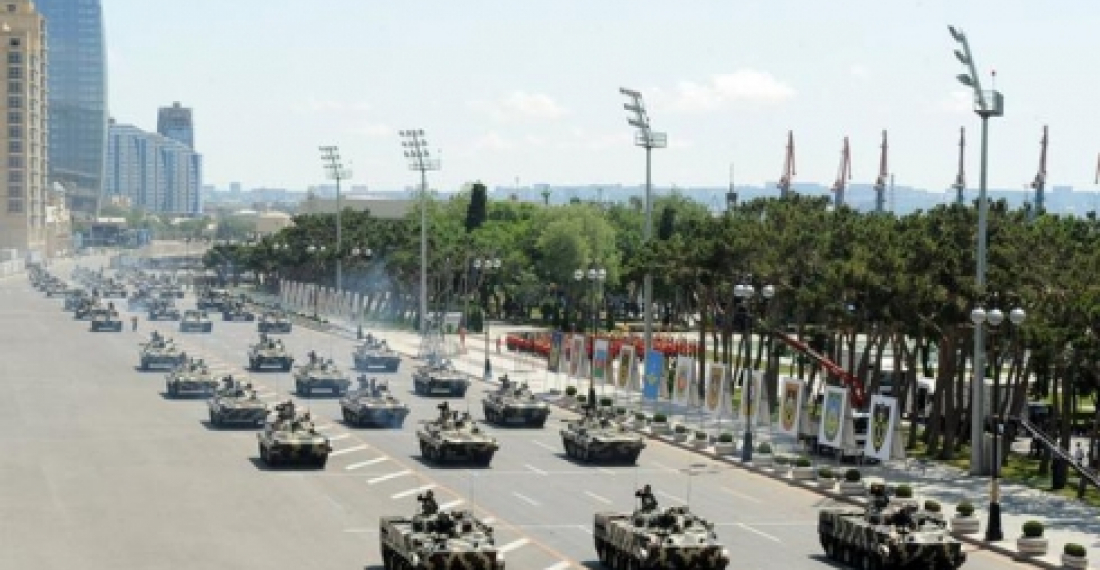
Двумя днями позже в Баку провели самый большой военный парад в истории независимого Азербайджана. Армейские части, военный флот и воздушные силы продемонстрировали дорогостоящую технику, приобретенную в течение последних лет. Баку потратил много денег на оборону, а военный бюджет Азербайджана в этом году превысил 1.2 миллиарда долларов. На бумаге армянский военный бюджет более скромен. Однако учитывая отсутствие прозрачности в договоренностях между армянскими вооруженными силами и российскими войсками, дислоцированными в Армении, армянская статистика может не отражать всей реальной картины. Обе стороны в большинстве случаев говорят о мире, но иногда они упоминают и войну.

Некоторые эксперты стали разрабатывать сценарии Судного дня - молниеносное освобождение Азербайджаном своих территорий либо упреждающий удар со стороны Армении для нейтрализации азербайджанской угрозы. Оба сценария, разумеется, возможны, и риторика, которая звучит из Баку и Еревана, только подпитывает эти рассуждения.

Новый конфликт может стать долгим и беспорядочным, и закончится новым форматом проблемы, но никак не ее решением. К счастью, лидеры Армении и Азербайджана -   спокойные люди, которые тщательно просчитывают свои шаги. В этом кроется причина того, что до сих пор они предпочитали переговоры.

Но отсутствие хотя бы небольшого прогресса в переговорах ставит под большую угрозу хрупкое перемирие на линии соприкосновения, где тысячи солдат с обеих сторон стоят друг перед другом в окопах, напоминающих условия времен Первой мировой.  Обе стороны ежедневно сообщают о нарушениях перемирия и заявляют о потерях.

Усиление перемирия и международного контроля за его соблюдением в настоящее время стало первоочередной задачей для того, чтобы было больше времени на переговоры.  Тем не менее перемирие само по себе не должно стать завершающей точкой. Терпение - это благо в урегулировании конфликта, а бессмысленное промедление - нет. Сценарии Судного дня не могут откладываться бесконечно.

Подготовлено редакцией commonspace.eu

Фото: Военный парад в Баку, 26 июня 2011

Фото любезно предоставлено news.az

 

Related articles

Editor's choice
News
Aden under curfew, as problem in Yemen's south deepens

Aden under curfew, as problem in Yemen's south deepens

The port city of Aden, in Yemen's south, has been put under curfew, as the rift in the country between  the Saudi led coalition which  backs Yemen's presidential governing council, and the southern forces led by the Southern Transitional Council (STC), deepens. Abdul Rahman al-Mahrami, a member of the Yemeni Presidential Governing Council and commander of the al-Amalik brigades, has ordered a curfew in the temporary capital, Aden, "to maintain security". "A curfew has been imposed throughout Aden Governorate from 9:00 p.m. to 6:00 a.m., in accordance with the instructions of Commander Abdul Rahman al-Mahrami, a member of the Presidential Management Council," the statement said. It states that only security and military personnel, as well as medical and technical teams with approved permits, will be allowed to move in the area during these hours. Yemen's presidential council, which is backed by Saudi Arabia and which already is in a struggle with the Houthi Movement in the north of the country who also occupy the capital Sanaa, two days ago issued an order for the arrest of the head of the Southern Transitional Council (STC),, Aidarous al Zubaidi. The STC have wide support among people in the South, and advocate that South Yemen restores its independence. The coalition warned of further escalation in Aden, long regarded as an STC stronghold, as the Presidential Leadership Council (PLC) chief accused STC leader Aidarous Al Zubaidi of “high treason” and announced the revocation of his membership in the governing body. The moves mark a sharp escalation in tensions within the anti-Houthi camp, despite National Shield Forces, rivals of the STC and former allies, having recently retaken control of Hadhramaut and Mahra from southern fighters. The STC’s takeover of the two regions last month angered Saudi Arabia and contributed to igniting the current internal conflict. (click the picture to read more)

Popular

Editor's choice
News
Aden under curfew, as problem in Yemen's south deepens

Aden under curfew, as problem in Yemen's south deepens

The port city of Aden, in Yemen's south, has been put under curfew, as the rift in the country between  the Saudi led coalition which  backs Yemen's presidential governing council, and the southern forces led by the Southern Transitional Council (STC), deepens. Abdul Rahman al-Mahrami, a member of the Yemeni Presidential Governing Council and commander of the al-Amalik brigades, has ordered a curfew in the temporary capital, Aden, "to maintain security". "A curfew has been imposed throughout Aden Governorate from 9:00 p.m. to 6:00 a.m., in accordance with the instructions of Commander Abdul Rahman al-Mahrami, a member of the Presidential Management Council," the statement said. It states that only security and military personnel, as well as medical and technical teams with approved permits, will be allowed to move in the area during these hours. Yemen's presidential council, which is backed by Saudi Arabia and which already is in a struggle with the Houthi Movement in the north of the country who also occupy the capital Sanaa, two days ago issued an order for the arrest of the head of the Southern Transitional Council (STC),, Aidarous al Zubaidi. The STC have wide support among people in the South, and advocate that South Yemen restores its independence. The coalition warned of further escalation in Aden, long regarded as an STC stronghold, as the Presidential Leadership Council (PLC) chief accused STC leader Aidarous Al Zubaidi of “high treason” and announced the revocation of his membership in the governing body. The moves mark a sharp escalation in tensions within the anti-Houthi camp, despite National Shield Forces, rivals of the STC and former allies, having recently retaken control of Hadhramaut and Mahra from southern fighters. The STC’s takeover of the two regions last month angered Saudi Arabia and contributed to igniting the current internal conflict. (click the picture to read more)


