


Партнерство между Грузией и Азербайджаном является основой для будущего всего региона.

Это комментарий подготовлен редакцией commonspace.eu.

Визит президента Ильхама Алиева в Грузию 5-6 ноября знаменует высокую точку в отношениях между двумя странами. Этот визит подтверждает глубокую дружбу между двумя соседними народами. Правительства двух стран называют отношения между ними "стратегическими". Этот термин часто злоупотребляют в дипломатии, но в этом случае он точно описывает отношения, которые помогают определить будущее Южного Кавказа.

В Тбилиси, президент Алиев встретился с президентом Георгием Маргвелашвили, премьер-министром Ираклием Гарибашвили, и спикером парламента Давидом Усупашвили. Он также провел встречи с Католикосом-Патриархом Илия II и бывшим премьер-министром Бидзиной Иванишвили - признание той важной роли, которую эти две личности играют в общественной жизни Грузии.

По случаю визита президент Маргвелашвили и президент Алиев приняли совместное заявление, в котором сказано, что "обе страны провозглашают, что они и впредь будут укреплять нынешний уровень стратегического партнерства, направленного на повышение их отношении путем углубления и расширения сотрудничества в областях, представляющих взаимный интерес, как в двусторонних отношениях, так и на международных форумах". Декларация перечисляет четыре ключевые сферы, где это сотрудничество и партнерство будет сосредоточено, а именно: (а) политическая сфера; (б) экономика и торговля; (с) оборона и безопасность; и (d) Наука, образование и культура.

Эти две страны уже имеют более двадцати лет опыта совместной работы в качестве независимых суверенных государств. Трубопровод Баку-Тбилиси-Джейхан является живым символом того, что сотрудничество может быть выгодно обеим странам. Это был первый из многих амбициозных проектов, которые впоследствии были реализованы совместно, или находятся в процессе реализации. Азербайджан и Грузия также тесно сотрудничают с Турцией в двустороннем и многостороннем формате.

Региональное сотрудничество является основой, на которой будущее Южного Кавказа должно быть построено. Стратегическое сотрудничество между Грузией и Азербайджаном по праву считается основой для будущего сотрудничества, и для будущего процветания всего региона и его населения. Однако, в более широком гео-политическом контексте, в котором это сотрудничество развивается не все просто.

Последний пункт декларации согласованный в Тбилиси 5 ноября гласит, что "Стратегическое партнерство между двумя странами не направлено против какого-либо другого государства или группы государств, а не ущемляет их права или обязательства в рамках двусторонних или многосторонних международных соглашений, в которых они являются участниками". Грузия, будучи очень заинтересованной в развитии её стратегического партнерства с Азербайджаном, также желает сохранить хорошие отношения с Арменией. Пожалуй, это было совпадением, а, возможно, и нет, но президент Армении Серж Саргсян посетил Грузию за несколько дней до президента Алиева (читайте статью на Commonspace.eu о визите здесь). Грузия должным образом должна сбалансировать отношения с двумя своими соседями, и, если возможно, то способствовать сближению между ними. Со своей стороны Азербайджан не хочет своими особыми отношениями с Грузией обидеть Россию. Он аналогично может сыграть роль в поддержании открытыми каналов связи между грузинским и российским руководством.

В отношениях между Грузией и Азербайджаном есть также вопросы, к которым стороны должны подойти осторожно. Они варьируются от демаркации границы до вопросов, связанных с большой численностью проживающих этнических азербайджанцев в Грузии. Стороны поступят правильно, если уделят должное внимание этим вопросам и обеспечат своевременное решение этих проблем. Эти две страны также имеют различные модели управления и внешние политические ориентации. Только опираясь на свои отношения взаимного уважения они смогут обеспечить, чтобы эти различия не стали препятствием в их отношениях.

Однако, в целом можно сказать, что визит президента Алиева в Грузию на этой неделе стал огромным успехом, и открывает новые горизонты не только для двустороннего сотрудничества между двумя странами, но и для регионального сотрудничества - важным компонентом для мира и процветания на Кавказе.

Источник: Этот комментарий был подготовлен редакцией commonspace.eu.

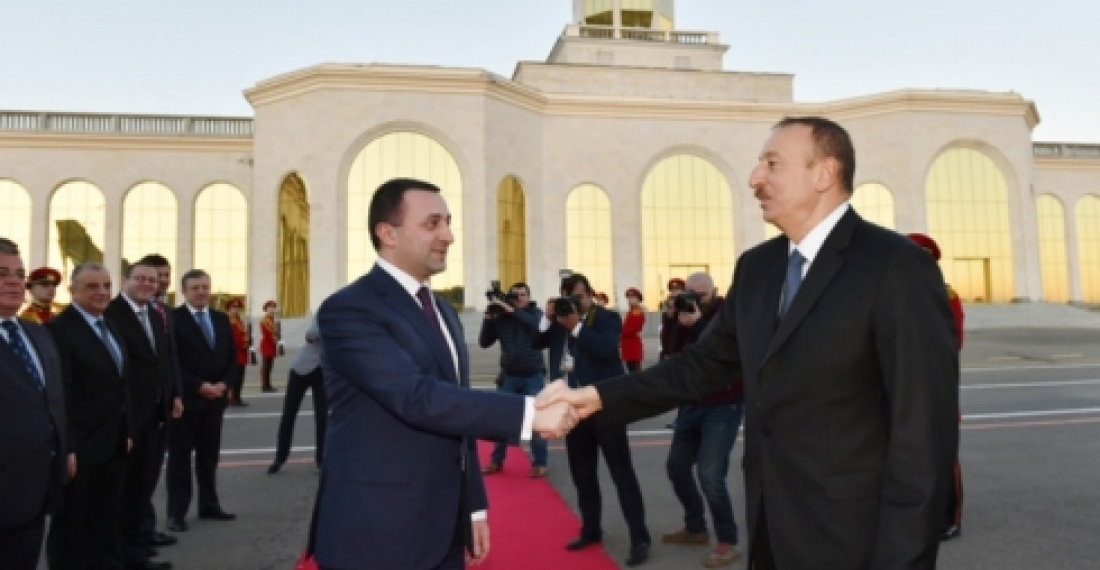
Фото: Президент Азербайджана Алиев с премьер-министром Грузии Гарибашвили в Тбилиси, в пятницу, 6 ноября 2015 года (фото любезно предоставлено пресс-службой президента Азербайджана).


 

Related articles

Editor's choice
News
Germany accuses Russia of cyberattacks and disinformation campaign

Germany accuses Russia of cyberattacks and disinformation campaign

The German government holds Russia responsible for a cyberattack on German air traffic control, and for targeted disinformation campaigns before the last federal election. According to the German Foreign Office in Berlin, the incidents could be clearly attributed to the Russian military intelligence service, the GRU. In response, the Russian ambassador to Berlin was summoned to the Foreign Ministry. "We have been observing a massive increase in threatening hybrid activities by Russia for some time now," a spokesperson for the Foreign Ministry stated. These range from disinformation campaigns and espionage to cyberattacks and sabotage attempts. The aim is to divide society, sow distrust, and undermine confidence in democratic institutions. The spokesperson added that with these actions, Russia is "very concretely threatening our security, not only through its war of aggression against Ukraine, but also here in Germany."  The Foreign Ministry spokesperson explained that the cyberattack on air traffic control in August 2024 was clearly attributed to the hacker collective "APT28," known as "Fancy Bear," and to the responsibility of the Russian military intelligence service, the GRU. Furthermore, it could now be "conclusively stated" that Russia had attempted "to influence and destabilize both the last Federal election and the ongoing internal affairs of the Federal Republic of Germany." There was "absolutely irrefutable evidence" for this". The so-called "Storm 1516" campaign, which has been running since 2024, is allegedly backed by "reliable information" that the Moscow-based think tank "Center for Geopolitical Expertise" is behind it. The Center is also said to be supported by Russian military intelligence. Its primary aim is to influence democratic elections in the West. (Click the image to read more).
Editor's choice
News
NATO Chief says war is on Europe's doorstep, and warns against complacency

NATO Chief says war is on Europe's doorstep, and warns against complacency

Russia could attack a NATO country within the next five years, the Secretary General of NATO, Mark Rutte, said in a stark new warning. "NATO's own defences can hold for now," Rutte warned in Berlin, but conflict was "next door" to Europe, and he feared "too many are quietly complacent, and too many don't feel the urgency, too many believe that time is on our side. "Russia is already escalating its covert campaign against our societies," Rutte said in a speech in Germany. "We must be prepared for the scale of war our grandparents or great-grandparents endured." Earlier this month, Russia's President Vladimir Putin said his country was not planning to go to war with Europe, but it was ready "right now" if Europe wanted to - or started a war. But similar reassurances were given by Moscow in 2022, just before 200,000 Russian troops crossed the border and invaded Ukraine. Putin has accused European countries of hindering US efforts to bring peace in Ukraine - a reference to the role Ukraine's European allies have recently played in trying to change a US peace plan to end the war, whose initial draft was seen as favouring Russia. But Putin was not sincere, Nato's secretary-general said in the German capital, Berlin. Supporting Ukraine, he added, was a guarantee for European security. "Just imagine if Putin got his way; Ukraine under the boot of Russian occupation, his forces pressing against a longer border with Nato, and the significantly increased risk of an armed attack against us." Russia's economy has been on a war footing for more than three years now - its factories churn out ever more supplies of drones, missiles and artillery shells. According to a recent report by the Kiel Institute for the World Economy, Russia has been producing each month around 150 tanks, 550 infantry fighting vehicles, 120 Lancet drones and more than 50 artillery pieces. The UK, and most of its Western allies, are simply not anywhere near this point. Analysts say it would take years for Western Europe's factories to come close to matching Russia's mass-production of weapons. "Allied defence spending and production must rise rapidly, our armed forces must have what they need to keep us safe," the Nato chief said.

Popular

Editor's choice
News
Germany accuses Russia of cyberattacks and disinformation campaign

Germany accuses Russia of cyberattacks and disinformation campaign

The German government holds Russia responsible for a cyberattack on German air traffic control, and for targeted disinformation campaigns before the last federal election. According to the German Foreign Office in Berlin, the incidents could be clearly attributed to the Russian military intelligence service, the GRU. In response, the Russian ambassador to Berlin was summoned to the Foreign Ministry. "We have been observing a massive increase in threatening hybrid activities by Russia for some time now," a spokesperson for the Foreign Ministry stated. These range from disinformation campaigns and espionage to cyberattacks and sabotage attempts. The aim is to divide society, sow distrust, and undermine confidence in democratic institutions. The spokesperson added that with these actions, Russia is "very concretely threatening our security, not only through its war of aggression against Ukraine, but also here in Germany."  The Foreign Ministry spokesperson explained that the cyberattack on air traffic control in August 2024 was clearly attributed to the hacker collective "APT28," known as "Fancy Bear," and to the responsibility of the Russian military intelligence service, the GRU. Furthermore, it could now be "conclusively stated" that Russia had attempted "to influence and destabilize both the last Federal election and the ongoing internal affairs of the Federal Republic of Germany." There was "absolutely irrefutable evidence" for this". The so-called "Storm 1516" campaign, which has been running since 2024, is allegedly backed by "reliable information" that the Moscow-based think tank "Center for Geopolitical Expertise" is behind it. The Center is also said to be supported by Russian military intelligence. Its primary aim is to influence democratic elections in the West. (Click the image to read more).

