


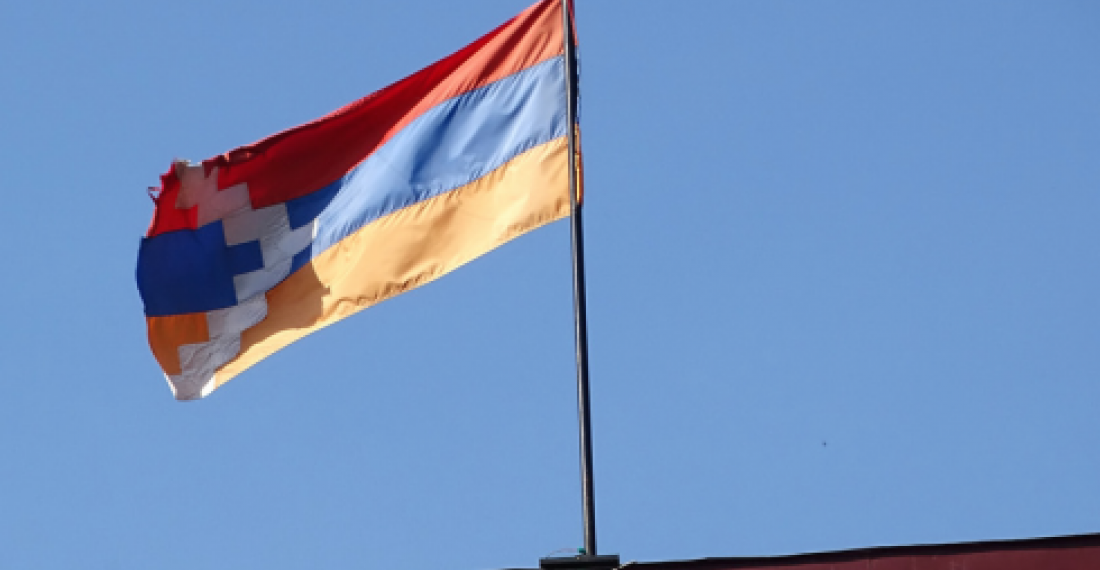
Парламент Армении обсудит законопроект о признании независимости Нагорного Карабаха

В четверг правительство Армении одобрило обсуждение законопроекта о признании независимости самопровозглашенной Нагорно-Карабахской Республики.

Аналогичные законопроекты выдвигались и раннее, но были заблокированы правительством из-за опасений срыва хрупкого мирного процесса, но на этот раз законопроект был направлен в парламент на обсуждения.

Два дня назад заместитель министра иностранных дел Армении, Шаварш Кочарян, заявил, что возможно признание независимости.

"Если Азербайджан развяжет новую военную агрессию, признание Нагорного Карабаха войдет в повестку", сказал журналистам Шаварш Кочарян.

Текущие мирные переговоры проходят под эгидой Минской группы ОБСЕ под председательством России, Франции и Соединенных Штатах.

Предлагаемое решение основано на "Мадридских принципах", которые предполагают предоставление временного статуса Нагорному Карабаху, и открытие коридора между Арменией и Нагорным Карабахом. Независимость Нагорного Карабаха не приемлема для Азербайджана.

2 апреля в зоне конфлитка вспыхнули ожесточенные бои, в результате чего погибли десятки солдат и гражданских лиц с обеих сторон. 5 апреля при посредничестве России было достигнуто устное соглашение о прекращении огня. Однако нерегулярные столкновения с тех пор продолжают происходить каждую ночь, в результате которых есть жертвы.

Законопроект в парламент Армении был внесен оппозиционными депутатами Грантом Багратяном и Заруи Постанджяном.

Решение правительства было "обусловлено обсуждениями между Арменией и Карабахом с учетом внешних и внутренних факторов", сказал Кочарян в четверг.

источник: commonspace.eu по материалам агентств

фото: флаг НКР

 

Related articles

Editor's choice
News
Armenian and Azerbaijani officials seek to defuse tension

Armenian and Azerbaijani officials seek to defuse tension

Armenian and Azerbaijani senior officials have moved to reduce tensions that erupted following an outcry in Armenia after a visit by foreign diplomats to Karabakh and surrounding regions, and a subsequent reaction in Azerbaijan. Armenia’s Security Council Secretary Alen Simonyan has said that following the events that took place at Gandzasar Monastery, he spoke by phone with Azerbaijani President Ilham Aliyev’s Assistant Hikmet Hajiyev. Responding to a question about whether he plans to publicly respond to Hajiyev’s statements regarding Gandzasar, Simonyan said at a press briefing that not all statements necessarily need to receive a public response. “I think everything has been said, and not everything that is said always needs a response. We need to realize whether this will change something or not. I can say something sharp now, respond in some way, we can all feel good for 15 minutes, but by doing so I could harm the negotiations,” Simonyan said. He stressed that the peace process requires a cautious approach. (click image to read more)

Popular

Editor's choice
Interview
Thursday Interview: Murad Muradov

Thursday Interview: Murad Muradov

Today, commonspace.eu starts a new regular weekly series. THURSDAY INTERVIEW, conducted by Lauri Nikulainen, will host  persons who are thinkers, opinion shapers, and implementors in their countries and spheres. We start the series with an interview with Murad Muradov, a leading person in Azerbaijan's think tank community. He is also the first co-chair of the Action Committee for a new Armenian-Azerbaijani Dialogue. Last September he made history by being the first Azerbaijani civil society activist to visit Armenia after the 44 day war, and the start of the peace process. Speaking about this visit Murad Muradov said: "My experience was largely positive. My negative expectations luckily didn’t play out. The discussions were respectful, the panel format bringing together experts from Armenia, Azerbaijan, and Turkey was particularly valuable during the NATO Rose-Roth Seminar in Yerevan, and media coverage, while varied in tone, remained largely constructive. Some media outlets though attempted to represent me as more of a government mouthpiece than an independent expert, which was totally misleading.  Overall, I see these initiatives as important steps in rebuilding trust and normalising professional engagement. The fact that soon a larger Azerbaijani civil society visits to Armenia followed, reinforces the sense that this process is moving in the right direction." (click the image to read the interview in full)


