


Очень важный момент для Южного Кавказа.

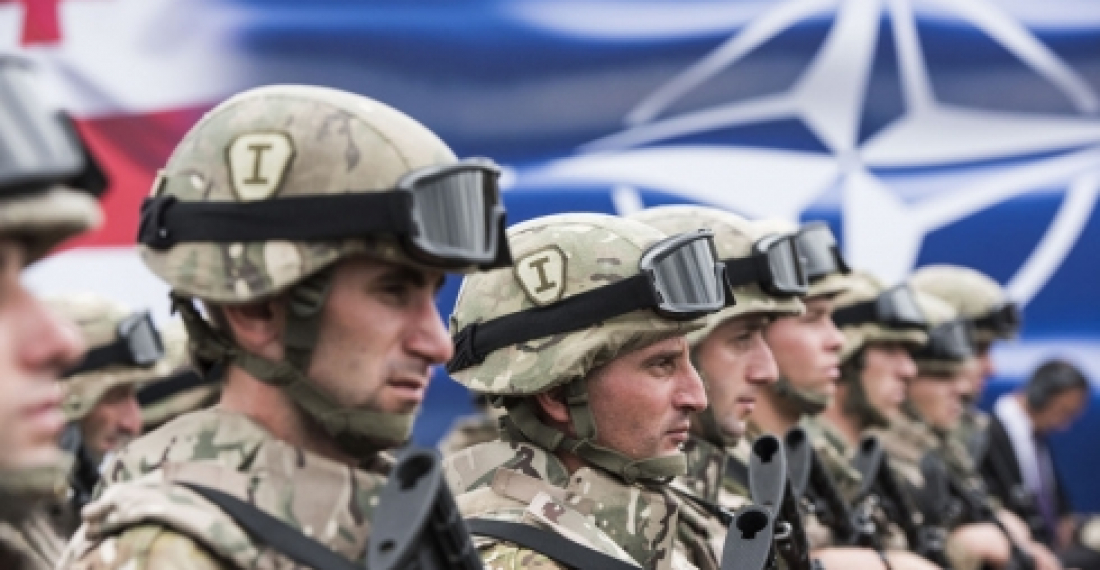
На прошлой неделе генеральный секретарь НАТО Йенс Столтенберг совершил свой первый официальный визит в Грузию, во время которого он открыл новый тренировочный центр НАТО недалеко от Тбилиси.

На совместной пресс-конференции с президентом Георгием Маргвелашвили г-н Столтенберг назвал Грузию "сильным и надежным помощником в построении нашей общей безопасности". Он поблагодарил Грузию за ее приверженность в отношениях с Альянсом - "отношения, которые становятся все ближе и глубже", - и за то, что она внесла второй по величине вклад в новую миссию НАТО а Афганистане "Решительная поддержка".

Приветствуя впечатляющие демократические реформы в Грузии, г-н Столтенберг назвал страну "примером в регионе и за его пределами", и сказал, что приложенные ею усилия демонстрируют "приверженность быть частью евроатлантической семьи" и помогают Грузии подготовиться к членству в НАТО. Он также сказал, что надеется на дальнейший прогресс: "Евро-атлантическая интеграция не легкий путь и это занимает время, усилия и определенные реальные перемены." Он подчеркнул, что "НАТО продолжит поддерживать Грузию."

Генеральный секретарь также осудил продолжающуюся активность России в Грузии, заявив: "Последние действия России по смещению административной границы Южной Осетии [регион Грузии] это еще одно нарушение международных обязательств России". Он подчеркнул, что союзники по НАТО остаются "полностью привержененными" территориальной целостности Грузии в пределах ее международно признанных границ.

Вместе с президентом Маргвелашвили, премьер-министром Гарибашвили, министром иностранных дел Тамар Беручашвили и министром обороны Тинатин Хидашели, Генеральный секретарь открыли новый Совместный тренировочный и оценочный центр НАТО и Грузии на территории уже существующего учебного центра в Крцаниси, где грузинские солдаты будут проходить подготовку наряду с их союзниками и партнерами. Назвав торжественное открытие "важным шагом вперед", г-н Столтенберг подчеркнул, что "это не направлено против кого-либо, наоборот, центр будет иметь важное значение для повышения региональной и международной стабильности." Он отметил, что "грузинские силы будут более совместимыми с силами НАТО. Это более заметное и большее присутствие НАТО в Грузии. И приверженность Грузии в деле международного мира и безопасности возрастет еще больше."

"Грузия еще больше в НАТО и больше НАТО в Грузии," сказал он. "И все эти усилия помогают Грузии приблизиться к её стремлениям вступить в НАТО".

По данным пресс-службы НАТО Учебный центр является частью существенного пакета НАТО-Грузия, согласованного на саммите в Уэльсе в прошлом году, который призван помочь Грузии в ее стремлении к членству в НАТО. Сотрудничество НАТО-Грузия на протяжении многих лет укрепило силы Грузии, что позволяет им работать с союзниками на более тесном уровне, чем когда-либо прежде.

Генеральный секретарь также провел переговоры с премьер-министром Гарибашвили, министром иностранных дел Тамар Беручашвили, министром обороны Тинатин Хидашели, спикером парламента Грузии Давидом Усупашвили, и другими парламентскими лидерами. Ранее в четверг Генеральный секретарь возложил венок к Мемориалу на Площади Героев.

Россия называет открытие центра провокацией.

Россия назвала открытие учебного центра НАТО в Грузии "еще один шаг в продолжение провокационной политики альянса на расширение геополитического влияния". Представитель МИД России Мария Захарова в четверг сообщила, что "Расцениваем этот шаг как продолжение провокационной политики альянса, нацеленной на расширение своего геополитического влияния с использованием ресурсов стран-партнеров блока. Размещение такого военного объекта НАТО в Грузии станет серьезным дестабилизирующим фактором для безопасности в регионе."

Захарова добавила, что "те, кто в этой ситуации продолжают тянуть Тбилиси в НАТО, должны осознавать меру своей ответственности". Дипломат подчеркнула, что Россия в этой ситуации продолжит выполнять свои обязательства по обеспечению безопасности своих союзников - Республик Южная Осетия и Абхазия,". "Она также примет к сведению все новые развития в сотрудничистве НАТО-Грузия."

Теперь уже вопрос стоит не "если" Грузия станет членом НАТО, а "когда".

По словам политического редактора Commonspace.eu, открытие центра НАТО в Тбилиси "рушит раз и навсегда ложное табу о российской монополии на Южном Кавказе. Со времен развала СССР Россия настаивает на том, что у нее должно быть право вето по всем вопросам, связанным с военными и вопросами безопасности в регионе. Такие страны, как Грузия, которые пытались продвигать свою независимую внешнюю политику оказались под значительным давлением, и даже хуже. Россия пошла на многое, чтобы гарантировать, что ни одна из бывших советских республик, за исключением стран Балтии, не вступит в НАТО. На мгновение показалось, что государства-члены НАТО были готовы удовлетворить российские требования. Однако, благодаря своим действиям в Украине в последние два года Россия исчерпала доброжелательность западных стран. Её действия в Грузии, в том числе последние попытки сместить границы между Грузией и сепаратистским образованием Южная Осетия является последним примером плохих намерений России. В результате сегодня большинство правительств НАТО гораздо меньше волнуют переживания русских, чем это было два года назад, и больше не желают признавать того, что Россия имеет право на какую-либо монополию или вето в регионе. Это правда, что учебный центр в Крцаниси это скромное дело. Оно не имеет никакого военного потенциала как такового. Это не является частью плана против России или против кого-либо еще. Однако, оно меняет реальность ситуации одним существенным образом. Теперь вопрос больше не стоит - "если" Грузия станет членом НАТО, а просто "когда". Об этом сейчас кажется поняли даже в Москве."

источник: commonspace.eu по материалам агентств ТАСС и веб-сайта НАТО

фото: грузинские солдаты на параде во время церемонии открытия нового тренировочного центра НАТО в Грузии, 27 августа 2015 года (фото любезно предоставлено информационной службой НАТО).

 

Related articles

Editor's choice
News
COP 17 in Armenia

COP 17 in Armenia

Armenia is currently hosting the COP17 conference of the Convention on Biological Diversity, which began earlier this week (19 October) and will run until 30 October, bringing around 15,000 participants from 196 different countries to Yerevan. At a leaders' summit held as part of COP17, Prime Minister Nikol Pashinyan expressed realistic ambitions: “We are halfway towards achieving these goals (Kunming-Montreal Global Biodiversity Framework), and we must honestly acknowledge that we are not yet moving in the right direction. Our task now is not to make new promises, but to fulfil the commitments we have already made.” Pashinyan pointed towards Armenia's own records, noting that the whitefish stock in Lake Sevan has increased substantially in the last ten years. Iranian President Masoud Pezeshkian and Georgian Prime Minister Irakli Kobakhidze also addressed the summit, with Turkiye sending its agriculture minister. However, there were no reports of Azerbaijani representatives attending. The conference has given Yerevan a valuable international platform, yet the absence of Azerbaijan is likely to be read as a sign that the peace process in the South Caucasus has not yet been translated into wider regional cooperation. The leaders' summit was opened by Armenian Prime Minister Nikol Pashinyan, who stressed that hosting the conference was a great honour for Armenia. He expressed hope that it would 'be productive and contribute to protecting our planet's biodiversity'. 'We – the citizens of Armenia, the government, state authorities and local governments – owe a debt to our nature,' the prime minister said. He noted that the international community had already developed the concept of 'living in harmony with nature’ and adopted the Kunming-Montreal Global Biodiversity Framework in 2022, setting out goals and specific targets to be achieved by 2030. 'We are halfway towards achieving these goals, and we must honestly acknowledge that we are not yet moving in the right direction. Our task now is not to make new promises, but to fulfil the commitments we have already made,' Nikol Pashinyan said. The COP17 conference is expected to adopt a declaration at leaders' level. More than 30 documents are scheduled for discussion. If approved, the commitments set out in them will become legally binding on countries that are parties to the Convention on Biological Diversity.”
Editor's choice
News
Landmines present to the European Union both a contradiction and a dilemma

Landmines present to the European Union both a contradiction and a dilemma

Finland’s decision to buy one million landmines creates a serious contradiction in the policy of the European Union, and is symbolic of a bigger dilemma facing European countries as they get used to the need to acquire “hard” power to face an increasing threat from Russia. Finland is seeking to acquire one million anti-personnel mines at a cost of 100 million euros. Finland, together with Poland, Latvia, Lithuania and Estonia last year abandoned the Ottawa agreement, the international framework that bans the use of anti-personnel mines, which the EU had been instrumental in establishing and supporting. All five countries cite the threat from Moscow as the reason. Colonel Riku Mikkonen of the Army Command told Finland’s national news agency STT that officials are now gathering information from suppliers regarding the deal, the AFP news agency reports. Helsinki would like domestic manufacturers to supply the mines, with contracts signed by the end of 2027 and production up and running by 2028. “It would be useful in many ways if Finnish companies produced the anti-personnel mines in Finland,” Mikkonen said. About half a dozen Finnish firms qualify, he told STT. “However, at this stage, buying the mines from abroad is not totally ruled out,” he added. LANDMINES PROVIDE THE EU WITH BOTH A CONTRADICTION, AND A DILEMMA Eliminating landmine contamination worldwide is one of the EU’s main soft power postures, and it basks in its record as the biggest funder of anti-landmine action in the world. But the fact that 5 of its 27 member states  have now left the Ottawa Treaty dents the EU moral high ground. It is a contradiction that is too big and important to be ignored. It also presents the European Union with a deeper dilemma. The threat from Russia is changing what the EU has stood for decades, namely a force for good able to mobilise its considerable soft power for the greater good of humanity. How the Union will implement this change will define its future. In the meantime landmines have not become any less lethal, benign, or unimportant. They remain in many parts of the world a major threat to life, an impediment to prosperity, and a potential trigger to further conflict. The 22 EU members states that still adhere to the Ottawa treaty must regroup, and be more assertive in their quest against anti-personnel land mines. All the reasons why they supported the Ottawa treaty in the first place still exist. The message must be clear: NO TO LANDMINES!

Popular

Editor's choice
Interview
Thursday Interview: Murad Muradov

Thursday Interview: Murad Muradov

Today, commonspace.eu starts a new regular weekly series. THURSDAY INTERVIEW, conducted by Lauri Nikulainen, will host  persons who are thinkers, opinion shapers, and implementors in their countries and spheres. We start the series with an interview with Murad Muradov, a leading person in Azerbaijan's think tank community. He is also the first co-chair of the Action Committee for a new Armenian-Azerbaijani Dialogue. Last September he made history by being the first Azerbaijani civil society activist to visit Armenia after the 44 day war, and the start of the peace process. Speaking about this visit Murad Muradov said: "My experience was largely positive. My negative expectations luckily didn’t play out. The discussions were respectful, the panel format bringing together experts from Armenia, Azerbaijan, and Turkey was particularly valuable during the NATO Rose-Roth Seminar in Yerevan, and media coverage, while varied in tone, remained largely constructive. Some media outlets though attempted to represent me as more of a government mouthpiece than an independent expert, which was totally misleading.  Overall, I see these initiatives as important steps in rebuilding trust and normalising professional engagement. The fact that soon a larger Azerbaijani civil society visits to Armenia followed, reinforces the sense that this process is moving in the right direction." (click the image to read the interview in full)

