Южная Осетия пытается присоединиться к конвенции Шанхайского договора

Южная Осетия объявила в четверг, что будет стремиться присоединиться к Конвенции Шанхайской организации сотрудничества по борьбе с экстремизмом. Де-факто президент Южной Осетии Анатолий Бибилов подписал соответствующие документы.

Ранее, 20 марта, парламент самопровозглашенной республики ратифицировал документ «О присоединении Республики Южная Осетия к Конвенции Шанхайской организации по борьбе с экстремизмом».

Конвенция Шанхайской организации сотрудничества по борьбе с экстремизмом была подписана в Астане 9 июня 2017 года. В соответствии со статьей 30 Конвенции ШОС о противодействии экстремизму к ней могут присоединиться государства, не являющиеся членами ШОС.

В Конвенции закреплены основополагающие положения об опасности экстремизма как питательной среды для терроризма, о ведущей роли государств и их компетентных органов в борьбе с экстремизмом и терроризмом, о необходимости соблюдения международного права и Устава ООН, прежде всего уважение принципа суверенитета и равенства государств, невмешательства в их внутренние дела, осуждение идеологии и практики экстремизма во всех его формах и проявлениях, недопустимость публичных призывов и подстрекательств к экстремистским действиям.

Политический редактор Commonspace.eu считаетчто «хотя присоединение к Конвенции может рассматриваться как безвредный, даже благожелательный шаг, международное сообщество будет рассматривать этот шаг как попытку Цхинвали расширить свое дипломатическое представительство, а для Тбилиси, где правительство Грузии пытается пересечь любое участие властей самопровозглашенной республики в международной дипломатической деятельности, такой шаг будет нежелательным.

Шанхайская организация сотрудничества включает восемь государств-членов, а именно: Китай, Казахстан, Кыргызстан, Россия, Таджикистан и Узбекистан, которые являются членами-основателями, а также Индию и Пакистан. Из них только Россия признала независимость Южной Осетии и поддерживает с ней дипломатические отношения. Кроме того, у многих других стран есть свои проблемы с сепаратистскими образованиями, и они вряд ли будут готовы открыть ящик Пандоры по этому вопросу. Несмотря на это, Цхинвал не пошел бы на это, если бы не получил какой-то зеленый свет от Москвы. Таким образом, возникает вопрос: что за московская игра в этом и почему сейчас? Этот шаг также идет вразрез с тем, что многие считают неприемлемым поведением де-факто властей во время продолжающейся пандемии коронавируса, включая продолжающийся процесс пограничных действий, а также распространение поддельных новостей и дезинформации в цхинвальских СМИ.

Большая часть мирового сообщества рассматривает Южную Осетию как часть Грузии, и правительство Грузии считает Южную Осетию оккупированной Россией территорией, а Россия, Сирия, Никарагу, Венесуэла и несколько других стран признали независимость Южной Осетии после войны между Россией и Грузией в 2008 году".

источник: commonspace.eu по материалам агентств

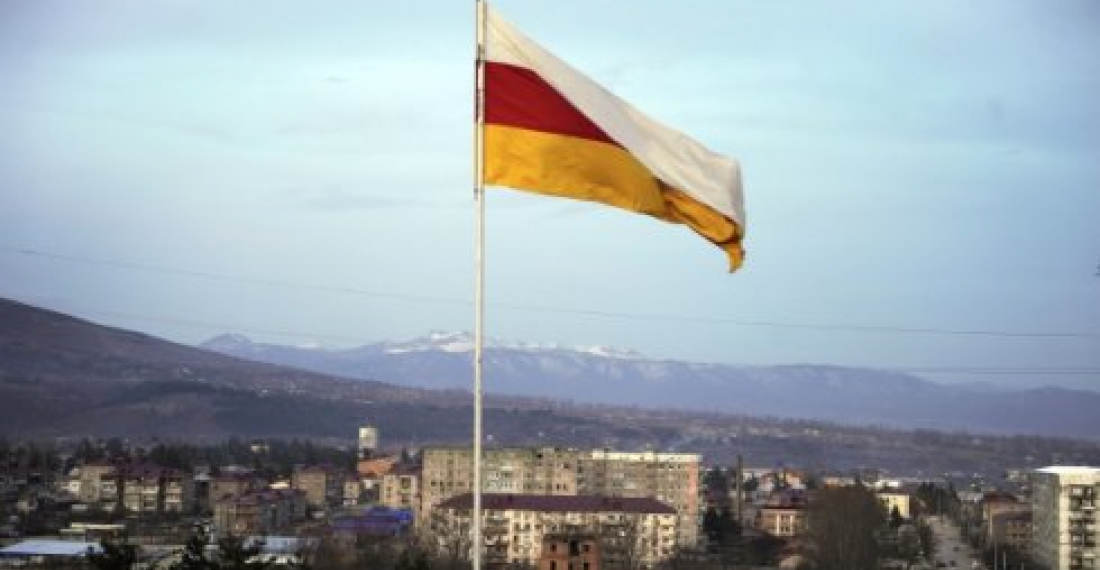
фото: Над Цхинвали развевается флаг Южной Осетии (фото из архива)
 

Related articles

Editor's choice
News
Nikol Pashinyan re-appointed as Armenian prime minister after decisive June election victory

Nikol Pashinyan re-appointed as Armenian prime minister after decisive June election victory

Armenia president, Vahagn Khachaturyan has re-appointed Nikol Pashinyan as Armenian prime minister, after the decisive victory of his Civil Contract party in parliamentary elections in June. During a ceremony at the Presidential Palace in Yerevan, President Khachaturyan signed a decree on the appointment of Nikol Pashinyan as Prime Minister of the Republic. President Vahagn Khachaturyan said in short remarks: It is a great honor for me to sign a decree on appointing you to the post of Prime Minister of the Republic of Armenia, for which I received a proposal from the political majority in the National Assembly, under Article 149 of the Constitution of the Republic of Armenia. I sincerely congratulate you, I wish you great patience, endurance, and determination to lead us in these difficult times, to lead the country to the future, a prosperous future. Nikol Pashinyan thanked the president and added,  I must say honestly that in 2018, when I assumed the post of Prime Minister of the Republic of Armenia as a result of the People's, non-violent, velvet revolution, it would have been difficult to predict that we would go down such a path and I think it would have been difficult to predict that we would be able to overcome this path. But we are where we are, and I think that the key role and significance in all this is unequivocally and undoubtedly the people of the Republic of Armenia, who, after all, have demonstrated special expressions of state consciousness and state-centeredness throughout this period. And of course, this is a great obligation and commitment. Of course, the Government will be formed in the near future and all members of the Government, including me, will already enshrine our obligations to our people in the text of the oath.  In the meantime Ruben Rubinyan has been elected Speaker of the National Assembly of Armenia, following a secret vote of MPs. He is a 36-year-old MP from the ruling Civil Contract party, who was one of the deputy speakers in the previous parliament and, until recently, was the special representative in the negotiations on the normalization of relations with Turkey.

Popular

Editor's choice
Interview
Thursday Interview: Murad Muradov

Thursday Interview: Murad Muradov

Today, commonspace.eu starts a new regular weekly series. THURSDAY INTERVIEW, conducted by Lauri Nikulainen, will host  persons who are thinkers, opinion shapers, and implementors in their countries and spheres. We start the series with an interview with Murad Muradov, a leading person in Azerbaijan's think tank community. He is also the first co-chair of the Action Committee for a new Armenian-Azerbaijani Dialogue. Last September he made history by being the first Azerbaijani civil society activist to visit Armenia after the 44 day war, and the start of the peace process. Speaking about this visit Murad Muradov said: "My experience was largely positive. My negative expectations luckily didn’t play out. The discussions were respectful, the panel format bringing together experts from Armenia, Azerbaijan, and Turkey was particularly valuable during the NATO Rose-Roth Seminar in Yerevan, and media coverage, while varied in tone, remained largely constructive. Some media outlets though attempted to represent me as more of a government mouthpiece than an independent expert, which was totally misleading.  Overall, I see these initiatives as important steps in rebuilding trust and normalising professional engagement. The fact that soon a larger Azerbaijani civil society visits to Armenia followed, reinforces the sense that this process is moving in the right direction." (click the image to read the interview in full)