Всемирный банк одобрил проект финансирования TANAP в объеме $800млн.

Во вторник (20 декабря), Совет исполнительных директоров Всемирного банка одобрил кредит в размере 400 миллионов долларов для Турции и 400 миллионов долларов США для Азербайджана на строительство Транс-Анатолийского газопровода (TANAP). В рамках проекта предусмотрена транспортировка природного газа из газовых месторождений в Азербайджане черех территорию Турции, и далее в Европу, с целью диверсификации экспортных рынков азербайджанского газа и повышения безопасности энергоснабжения в Турции и Юго-Восточной Европе.

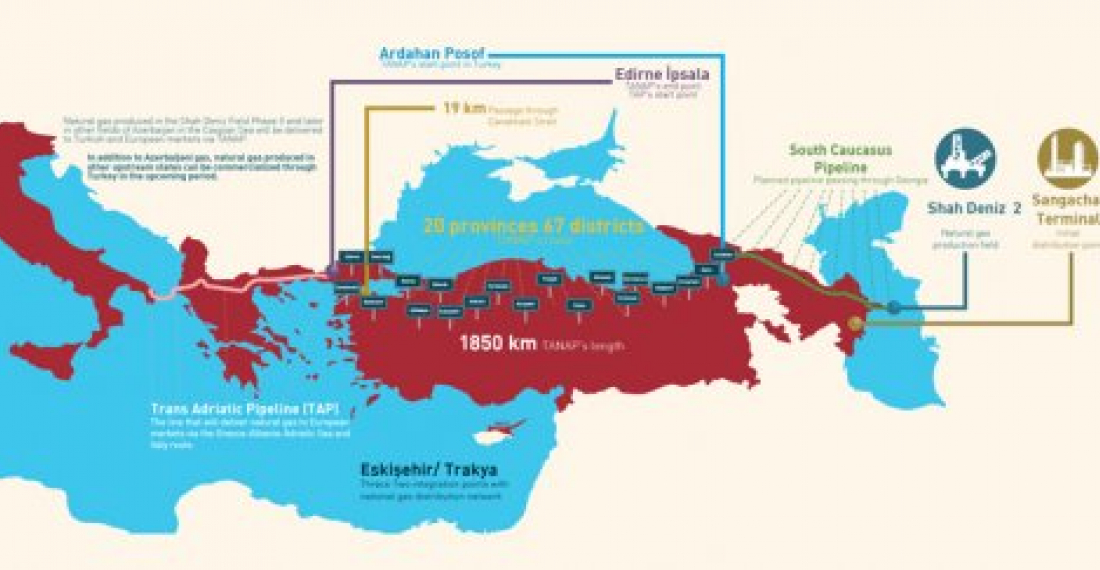
Этот проект является частью Программы Южного газового коридора, который, в дополнение к TANAP, включает в себя разработку газового месторождения Шах-Дениз-2 в Азербайджане; расширение Южно-Кавказского трубопровода, проходящий через Азербайджан и Грузию в Турцию; и Трансадриатический газопровод (TAP), который будет доставлять газ через Грецию и Албанию по дну Адриатического моря на юг Италии. Отражая важность Южного газового коридора для всех стран, участвующих в программе, ряд международных финансовых институтов поддержали Программу, в том числе Европейский инвестиционный банк (EIB), Европейский банк реконструкции и развития (EBRD), Азиатский инфраструктурый инвестиционный банк (AIIB), Азиатский банк развития (ADB), и Всемирный банк Групп (WBG).

"Мы очень рады быть частью коалиции партнеров, поддерживающих TANAP, компонент Южного газового коридора, который будет доставлять природный газ из Каспийского моря в Европу", сказал Кирилл Мюллер, вице-президент Всемирного банка в Европе и Центральной Азии. "TANAP не только повысит конкурентоспособность и даст экономические возможности людям в Азербайджане и Турции, он также будет способствовать региональной торговле, развитию связей и поддержке энергетической безопасности в Турции и в Европе."

Проект профинансирует инвестиции в строительство инфраструктуры трубопроводной системы TANAP. Протяженность TANAP 1,850 км, что является более половины всей длины трубопровода Южного газового коридора из Азербайджана в Италию (3500км). TANAP берет свое начало на границе Турции с Грузией, проходит через всю Турцию с востока на запад, и на греческой границе соединяется с Трансадриатическим газопроводом (TAP), который доставит газ на европейские рынки.

В Турции, с завершением проекта, возрастет безопасность энергоснабжения страны с дополнительными 6 млрд. кубометров газа в год. Проект будет способствовать реализации основных стратегических задач партнерства между Всемирным банком и Турцией, в том числе повышение конкурентоспособности и занятости; повышение уровня коммунальных услуг.

В Азербайджане разрабатывается газовое месторождение Шах-Дениз 2 для получения 16 миллиардов кубометров газа в год и доходы, полученные в результате производства и транспортировки газа, станут очень важными для страны и ее граждан. Проект вносит важный вклад в достижение стратегических целей партнерства Всемирного банка с Азербайджаном, в частности, поддерживая сильную экономическую конкурентоспособность, за счет интеграции Азербайджана с региональными и европейскими энергетическими рынками, укрепляя его транзитную роль, и увеличивая экспорт страны.

Грузия получит объемы дополнительного газа в своей сети в рамках соглашения о транспортировке газа из Азербайджана через свою территорию до турецкой границы. Для турецкого рынка уже подписаны соглашения на 6 млрд. кубометров газа с месторождения Шах-Дениз 2; несколько европейских трейдеров газа законтрактовали оставшиеся 10 миллиардов кубометров газа для рынка Юго-Восточной Европы. Конечными бенефициарами проекта являются граждане Азербайджана и потребители природного газа как в Турции, так и по всей Юго-Восточной Европе.

источник: commonspace.eu по материалам пресс-службы Всемирного банка и TANAP
 

Related articles

Editor's choice
News
Germany accuses Russia of cyberattacks and disinformation campaign

Germany accuses Russia of cyberattacks and disinformation campaign

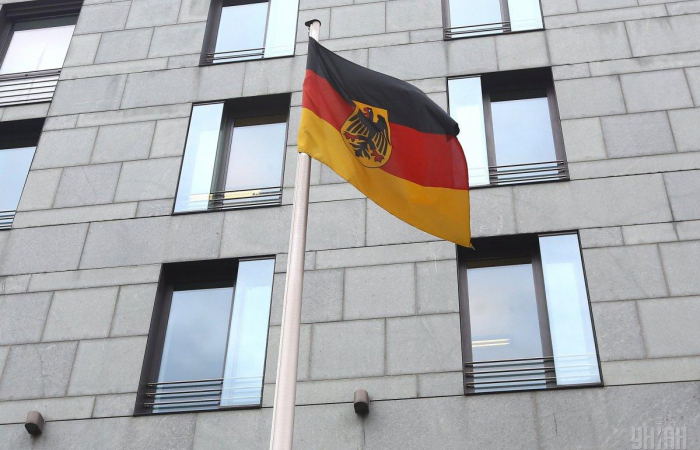
The German government holds Russia responsible for a cyberattack on German air traffic control, and for targeted disinformation campaigns before the last federal election. According to the German Foreign Office in Berlin, the incidents could be clearly attributed to the Russian military intelligence service, the GRU. In response, the Russian ambassador to Berlin was summoned to the Foreign Ministry. "We have been observing a massive increase in threatening hybrid activities by Russia for some time now," a spokesperson for the Foreign Ministry stated. These range from disinformation campaigns and espionage to cyberattacks and sabotage attempts. The aim is to divide society, sow distrust, and undermine confidence in democratic institutions. The spokesperson added that with these actions, Russia is "very concretely threatening our security, not only through its war of aggression against Ukraine, but also here in Germany."  The Foreign Ministry spokesperson explained that the cyberattack on air traffic control in August 2024 was clearly attributed to the hacker collective "APT28," known as "Fancy Bear," and to the responsibility of the Russian military intelligence service, the GRU. Furthermore, it could now be "conclusively stated" that Russia had attempted "to influence and destabilize both the last Federal election and the ongoing internal affairs of the Federal Republic of Germany." There was "absolutely irrefutable evidence" for this". The so-called "Storm 1516" campaign, which has been running since 2024, is allegedly backed by "reliable information" that the Moscow-based think tank "Center for Geopolitical Expertise" is behind it. The Center is also said to be supported by Russian military intelligence. Its primary aim is to influence democratic elections in the West. (Click the image to read more).
Editor's choice
News
NATO Chief says war is on Europe's doorstep, and warns against complacency

NATO Chief says war is on Europe's doorstep, and warns against complacency

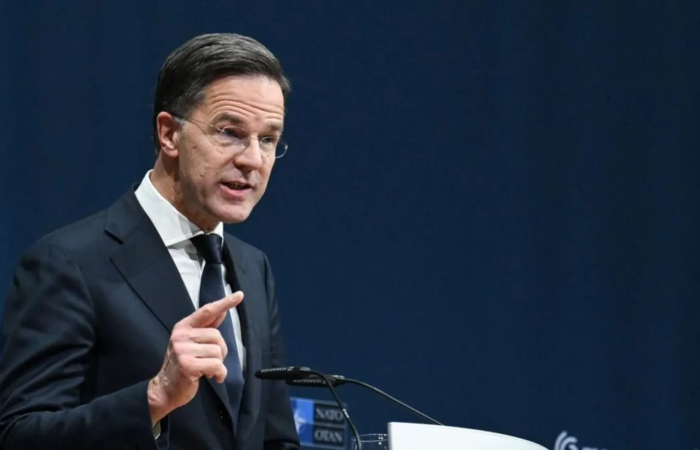
Russia could attack a NATO country within the next five years, the Secretary General of NATO, Mark Rutte, said in a stark new warning. "NATO's own defences can hold for now," Rutte warned in Berlin, but conflict was "next door" to Europe, and he feared "too many are quietly complacent, and too many don't feel the urgency, too many believe that time is on our side. "Russia is already escalating its covert campaign against our societies," Rutte said in a speech in Germany. "We must be prepared for the scale of war our grandparents or great-grandparents endured." Earlier this month, Russia's President Vladimir Putin said his country was not planning to go to war with Europe, but it was ready "right now" if Europe wanted to - or started a war. But similar reassurances were given by Moscow in 2022, just before 200,000 Russian troops crossed the border and invaded Ukraine. Putin has accused European countries of hindering US efforts to bring peace in Ukraine - a reference to the role Ukraine's European allies have recently played in trying to change a US peace plan to end the war, whose initial draft was seen as favouring Russia. But Putin was not sincere, Nato's secretary-general said in the German capital, Berlin. Supporting Ukraine, he added, was a guarantee for European security. "Just imagine if Putin got his way; Ukraine under the boot of Russian occupation, his forces pressing against a longer border with Nato, and the significantly increased risk of an armed attack against us." Russia's economy has been on a war footing for more than three years now - its factories churn out ever more supplies of drones, missiles and artillery shells. According to a recent report by the Kiel Institute for the World Economy, Russia has been producing each month around 150 tanks, 550 infantry fighting vehicles, 120 Lancet drones and more than 50 artillery pieces. The UK, and most of its Western allies, are simply not anywhere near this point. Analysts say it would take years for Western Europe's factories to come close to matching Russia's mass-production of weapons. "Allied defence spending and production must rise rapidly, our armed forces must have what they need to keep us safe," the Nato chief said.

Popular

Editor's choice
News
Germany accuses Russia of cyberattacks and disinformation campaign

Germany accuses Russia of cyberattacks and disinformation campaign

The German government holds Russia responsible for a cyberattack on German air traffic control, and for targeted disinformation campaigns before the last federal election. According to the German Foreign Office in Berlin, the incidents could be clearly attributed to the Russian military intelligence service, the GRU. In response, the Russian ambassador to Berlin was summoned to the Foreign Ministry. "We have been observing a massive increase in threatening hybrid activities by Russia for some time now," a spokesperson for the Foreign Ministry stated. These range from disinformation campaigns and espionage to cyberattacks and sabotage attempts. The aim is to divide society, sow distrust, and undermine confidence in democratic institutions. The spokesperson added that with these actions, Russia is "very concretely threatening our security, not only through its war of aggression against Ukraine, but also here in Germany."  The Foreign Ministry spokesperson explained that the cyberattack on air traffic control in August 2024 was clearly attributed to the hacker collective "APT28," known as "Fancy Bear," and to the responsibility of the Russian military intelligence service, the GRU. Furthermore, it could now be "conclusively stated" that Russia had attempted "to influence and destabilize both the last Federal election and the ongoing internal affairs of the Federal Republic of Germany." There was "absolutely irrefutable evidence" for this". The so-called "Storm 1516" campaign, which has been running since 2024, is allegedly backed by "reliable information" that the Moscow-based think tank "Center for Geopolitical Expertise" is behind it. The Center is also said to be supported by Russian military intelligence. Its primary aim is to influence democratic elections in the West. (Click the image to read more).