"В Грузии созданы плюралистический политический и медийный ландшафт и рабочие правовые рамки"

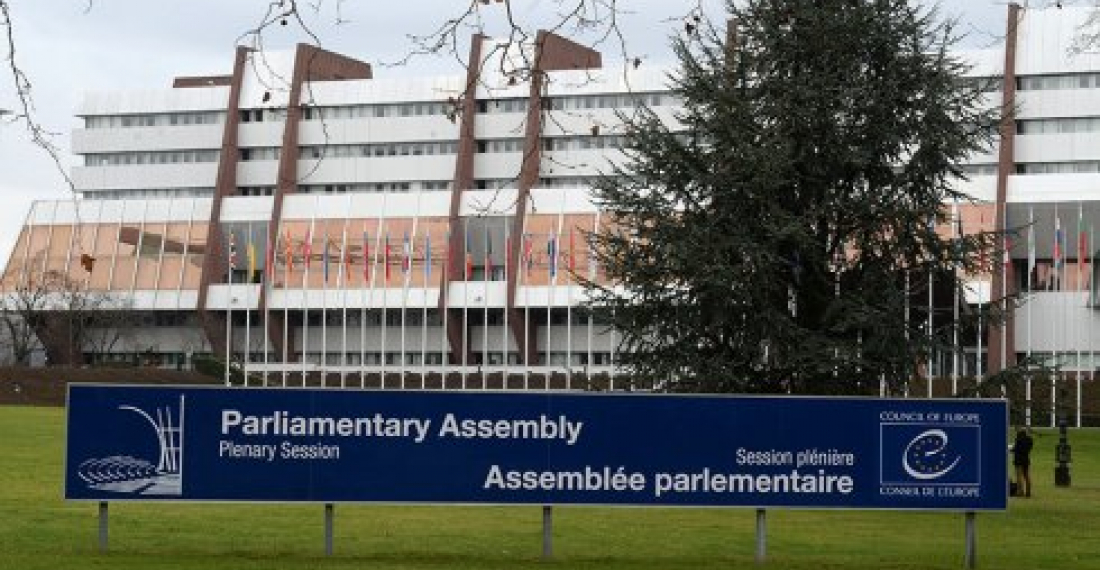
13 и 14 сентября 2016 года в Тбилиси побывала делегация Парламентской ассамблеи Совета Европы (ПАСЕ) с целью оценки предвыборной обстановки к парламентским выборам, намеченных на 8 октября 2016 года.

В состав делегации во главе с Эмануэлисом Зингерис (Литва, EPP/CD) также вошли Маривонн Блондэн (Франция, SOC), Хорди Ксукла (Испания, ALDE), Ingebjørg Godskesen (Норвегия, ЕС), Андрей Гунько (Германия, UEL), а также содокладчики Комитета по мониторингу: Борис Цилевич (Латвия) и Керстин Лундгрен (Швеция).

В заявлении делегации сказано, что "чувствуется, что в стране создана среда для проведения демократических выборов. Они увидели плюралистический политической и медиа-ландшафт и рабочую правовую базу. Хотя делегация считает, что общий климат явно менее напряженный, чем это было во время прошлых выборов, после обсуждений с различными собеседниками, они счли необходимым подчеркнуть, что все стороны должны осудить все формы насилия и преследования оппонентов во время кампании, и что они должны публично призвать всех своих сторонников воздерживаться от любых действий, которые могли бы подорвать демократический характер выборов".

В заявлении также говорится:

"Делегация действительно выслушала заявления о неприемлемых актах насилия, запугивания, преследования и шантажа, направленных против кандидатов и избирателей. В связи с этим, такие акты, даже если это отдельные случаи, против кандидатов, членов партии или сторонников, а также угрозы в отношении журналистов, должны быть предотвращены. Виновники таких актов должны быть выявлены и наказаны. Делегация также заявила, что не должно произойти неправильное использование административного ресурса во время избирательной кампании.

Делегация подчеркнула, что все стороны должны сосредоточиться на реальных проблемах и не ставить под сомнение рамки, в которых проходят выборы как часть стратегии в кампании, так как это может подорвать общественное доверие к самим выборам.

Делегация призвала все заинтересованные стороны, и, в частности, власти, избежать каких-либо действий, которые могли бы увеличить напряженность в политической среде в преддверии выборов. Они выразила надежду на то, что политические игроки не пожалеют усилий, чтобы проложить путь к построению подлинной избирательной культуры, основанной на взаимном уважении между политическими силами разных ориентаций".

Предвыборная делегация ПАСЕ находилась в Тбилиси по приглашению министра иностранных дел Грузии. Они встретились с премьер-министром, с председателем парламента и его первым заместителем, с членами делегации в ПАСЕ с председателем Государственной избирательной комиссии, с министром внутренних дел, с руководителем Национальной комиссии по коммуникациям, с лидерами и представителями парламентских и непарламентских партий, участвующих в выборах, с представителями гражданского общества и средств массовой информации, с заместителем главы миссии по наблюдению за выборами ОБСЕ / БДИПЧ и дипломатами, базирующимися в Тбилиси.

В полном составе делегация из 32 членов Парламентской ассамблеи Совета Европы прибудет в Грузию до парламентских выборов для проведения наблюдения за выборами.

источник: commonspace.eu по материалам пресс-службы Парламентской ассамблеи Совета Европы (ПАСЕ)

 

Related articles

Editor's choice
News
Germany accuses Russia of cyberattacks and disinformation campaign

Germany accuses Russia of cyberattacks and disinformation campaign

The German government holds Russia responsible for a cyberattack on German air traffic control, and for targeted disinformation campaigns before the last federal election. According to the German Foreign Office in Berlin, the incidents could be clearly attributed to the Russian military intelligence service, the GRU. In response, the Russian ambassador to Berlin was summoned to the Foreign Ministry. "We have been observing a massive increase in threatening hybrid activities by Russia for some time now," a spokesperson for the Foreign Ministry stated. These range from disinformation campaigns and espionage to cyberattacks and sabotage attempts. The aim is to divide society, sow distrust, and undermine confidence in democratic institutions. The spokesperson added that with these actions, Russia is "very concretely threatening our security, not only through its war of aggression against Ukraine, but also here in Germany."  The Foreign Ministry spokesperson explained that the cyberattack on air traffic control in August 2024 was clearly attributed to the hacker collective "APT28," known as "Fancy Bear," and to the responsibility of the Russian military intelligence service, the GRU. Furthermore, it could now be "conclusively stated" that Russia had attempted "to influence and destabilize both the last Federal election and the ongoing internal affairs of the Federal Republic of Germany." There was "absolutely irrefutable evidence" for this". The so-called "Storm 1516" campaign, which has been running since 2024, is allegedly backed by "reliable information" that the Moscow-based think tank "Center for Geopolitical Expertise" is behind it. The Center is also said to be supported by Russian military intelligence. Its primary aim is to influence democratic elections in the West. (Click the image to read more).
Editor's choice
News
NATO Chief says war is on Europe's doorstep, and warns against complacency

NATO Chief says war is on Europe's doorstep, and warns against complacency

Russia could attack a NATO country within the next five years, the Secretary General of NATO, Mark Rutte, said in a stark new warning. "NATO's own defences can hold for now," Rutte warned in Berlin, but conflict was "next door" to Europe, and he feared "too many are quietly complacent, and too many don't feel the urgency, too many believe that time is on our side. "Russia is already escalating its covert campaign against our societies," Rutte said in a speech in Germany. "We must be prepared for the scale of war our grandparents or great-grandparents endured." Earlier this month, Russia's President Vladimir Putin said his country was not planning to go to war with Europe, but it was ready "right now" if Europe wanted to - or started a war. But similar reassurances were given by Moscow in 2022, just before 200,000 Russian troops crossed the border and invaded Ukraine. Putin has accused European countries of hindering US efforts to bring peace in Ukraine - a reference to the role Ukraine's European allies have recently played in trying to change a US peace plan to end the war, whose initial draft was seen as favouring Russia. But Putin was not sincere, Nato's secretary-general said in the German capital, Berlin. Supporting Ukraine, he added, was a guarantee for European security. "Just imagine if Putin got his way; Ukraine under the boot of Russian occupation, his forces pressing against a longer border with Nato, and the significantly increased risk of an armed attack against us." Russia's economy has been on a war footing for more than three years now - its factories churn out ever more supplies of drones, missiles and artillery shells. According to a recent report by the Kiel Institute for the World Economy, Russia has been producing each month around 150 tanks, 550 infantry fighting vehicles, 120 Lancet drones and more than 50 artillery pieces. The UK, and most of its Western allies, are simply not anywhere near this point. Analysts say it would take years for Western Europe's factories to come close to matching Russia's mass-production of weapons. "Allied defence spending and production must rise rapidly, our armed forces must have what they need to keep us safe," the Nato chief said.

Popular

Editor's choice
News
Germany accuses Russia of cyberattacks and disinformation campaign

Germany accuses Russia of cyberattacks and disinformation campaign

The German government holds Russia responsible for a cyberattack on German air traffic control, and for targeted disinformation campaigns before the last federal election. According to the German Foreign Office in Berlin, the incidents could be clearly attributed to the Russian military intelligence service, the GRU. In response, the Russian ambassador to Berlin was summoned to the Foreign Ministry. "We have been observing a massive increase in threatening hybrid activities by Russia for some time now," a spokesperson for the Foreign Ministry stated. These range from disinformation campaigns and espionage to cyberattacks and sabotage attempts. The aim is to divide society, sow distrust, and undermine confidence in democratic institutions. The spokesperson added that with these actions, Russia is "very concretely threatening our security, not only through its war of aggression against Ukraine, but also here in Germany."  The Foreign Ministry spokesperson explained that the cyberattack on air traffic control in August 2024 was clearly attributed to the hacker collective "APT28," known as "Fancy Bear," and to the responsibility of the Russian military intelligence service, the GRU. Furthermore, it could now be "conclusively stated" that Russia had attempted "to influence and destabilize both the last Federal election and the ongoing internal affairs of the Federal Republic of Germany." There was "absolutely irrefutable evidence" for this". The so-called "Storm 1516" campaign, which has been running since 2024, is allegedly backed by "reliable information" that the Moscow-based think tank "Center for Geopolitical Expertise" is behind it. The Center is also said to be supported by Russian military intelligence. Its primary aim is to influence democratic elections in the West. (Click the image to read more).