Участники саммита делают упор на конкретное сотрудничество

Сотрудничество между Азербайджаном, Ираном и Россией очень важно для укрепления региональной безопасности и стабильности, сказал в среду в Тегеране президент Азербайджана Ильхам Алиев по итогам трехстороннего саммита лидеров трех стран. Алиев добавил, что такие трехсторонние встречи и сотрудничество приведут к светлому будущему.

В ходе трехсторонней встречи на высшем уровне президенты сосредоточили свое внимание на продолжении сотрудничества для завершения работы по строительству железнодорожной и дорожной инфраструктуры в рамках транспортного коридора Север-Юг - морского, железнодорожного и автомобильного маршрута, что, как ожидается, будет способствовать грузоперевозкам между Индией, Россией, Ираном, Европой и Центральной Азией.

"Мы обсуждали важные вопросы в сфере стабильности, борьбы с преступностью, с терроризмом, но во главе угла, конечно, лежат проблемы экономического характера", - заявил глава российского государства журналистам по итогам переговоров лидеров РФ, Азербайджана и Ирана. Для примера Путин привел работу коридора "Север-Юг", который "уже отработал в тестовом режиме - в прошлом году из Индии были осуществлены поставки через Иран в Россию и дальше". "Этот маршрут показал свою экономическую целесообразность и эффективность", - уверен российский лидер.

Путин подтвердил готовность поставлять газ в Северный Иран через азербайджанский трубопровод.

Он надеется, что саммит "не прошел даром". "Мы действительно обсуждали очень важные вопросы трехстороннего формата", - сказал он. Президент РФ считает, что, "работая таким образом - открыто, доброжелательно, с обоюдным стремлением к положительному результату, - наша работа будет приносить пользу нашим странам, нашим народам".

Российский лидер отметил, что он удовлетворен итогами встречи. Он поблагодарил руководство Ирана за приглашение, "а жителей Тегерана - за терпение, которого они набрались в ходе наших передвижений по городу". "Мы видели, как это непросто", - сказал Путин о дорожном движении в иранской столице.

источник: commonspace.eu по IRNA, TАСС и AПA.

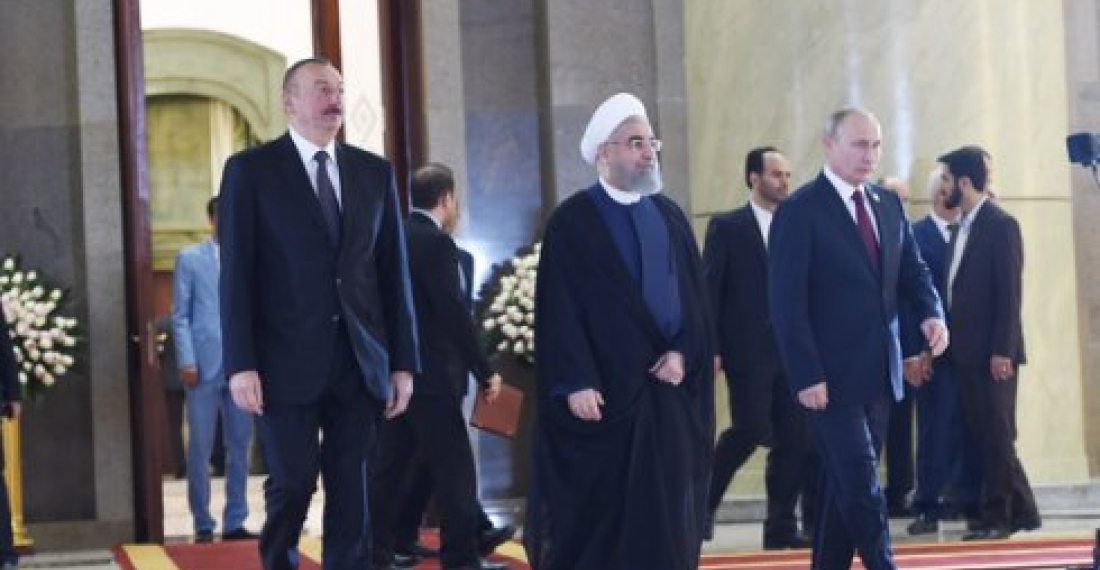
фото: Лидеры Ирана, России и Азербайджана в ходе трехстороннего саммита в Тегеране, 1 ноября 2017 года.
 

Related articles

Editor's choice
News
Aden under curfew, as problem in Yemen's south deepens

Aden under curfew, as problem in Yemen's south deepens

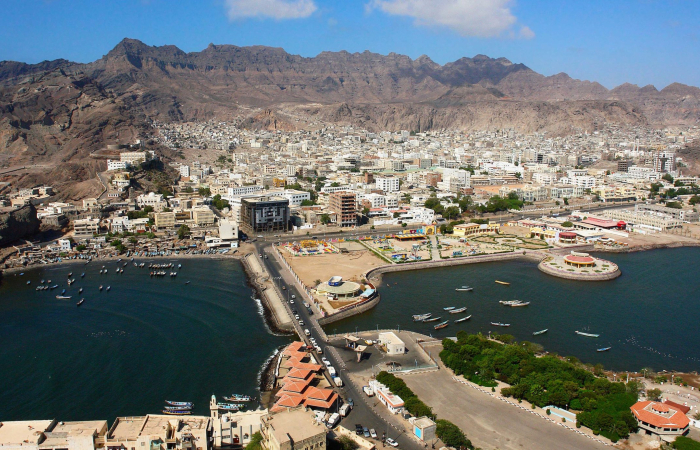
The port city of Aden, in Yemen's south, has been put under curfew, as the rift in the country between  the Saudi led coalition which  backs Yemen's presidential governing council, and the southern forces led by the Southern Transitional Council (STC), deepens. Abdul Rahman al-Mahrami, a member of the Yemeni Presidential Governing Council and commander of the al-Amalik brigades, has ordered a curfew in the temporary capital, Aden, "to maintain security". "A curfew has been imposed throughout Aden Governorate from 9:00 p.m. to 6:00 a.m., in accordance with the instructions of Commander Abdul Rahman al-Mahrami, a member of the Presidential Management Council," the statement said. It states that only security and military personnel, as well as medical and technical teams with approved permits, will be allowed to move in the area during these hours. Yemen's presidential council, which is backed by Saudi Arabia and which already is in a struggle with the Houthi Movement in the north of the country who also occupy the capital Sanaa, two days ago issued an order for the arrest of the head of the Southern Transitional Council (STC),, Aidarous al Zubaidi. The STC have wide support among people in the South, and advocate that South Yemen restores its independence. The coalition warned of further escalation in Aden, long regarded as an STC stronghold, as the Presidential Leadership Council (PLC) chief accused STC leader Aidarous Al Zubaidi of “high treason” and announced the revocation of his membership in the governing body. The moves mark a sharp escalation in tensions within the anti-Houthi camp, despite National Shield Forces, rivals of the STC and former allies, having recently retaken control of Hadhramaut and Mahra from southern fighters. The STC’s takeover of the two regions last month angered Saudi Arabia and contributed to igniting the current internal conflict. (click the picture to read more)

Popular

Editor's choice
News
Aden under curfew, as problem in Yemen's south deepens

Aden under curfew, as problem in Yemen's south deepens

The port city of Aden, in Yemen's south, has been put under curfew, as the rift in the country between  the Saudi led coalition which  backs Yemen's presidential governing council, and the southern forces led by the Southern Transitional Council (STC), deepens. Abdul Rahman al-Mahrami, a member of the Yemeni Presidential Governing Council and commander of the al-Amalik brigades, has ordered a curfew in the temporary capital, Aden, "to maintain security". "A curfew has been imposed throughout Aden Governorate from 9:00 p.m. to 6:00 a.m., in accordance with the instructions of Commander Abdul Rahman al-Mahrami, a member of the Presidential Management Council," the statement said. It states that only security and military personnel, as well as medical and technical teams with approved permits, will be allowed to move in the area during these hours. Yemen's presidential council, which is backed by Saudi Arabia and which already is in a struggle with the Houthi Movement in the north of the country who also occupy the capital Sanaa, two days ago issued an order for the arrest of the head of the Southern Transitional Council (STC),, Aidarous al Zubaidi. The STC have wide support among people in the South, and advocate that South Yemen restores its independence. The coalition warned of further escalation in Aden, long regarded as an STC stronghold, as the Presidential Leadership Council (PLC) chief accused STC leader Aidarous Al Zubaidi of “high treason” and announced the revocation of his membership in the governing body. The moves mark a sharp escalation in tensions within the anti-Houthi camp, despite National Shield Forces, rivals of the STC and former allies, having recently retaken control of Hadhramaut and Mahra from southern fighters. The STC’s takeover of the two regions last month angered Saudi Arabia and contributed to igniting the current internal conflict. (click the picture to read more)