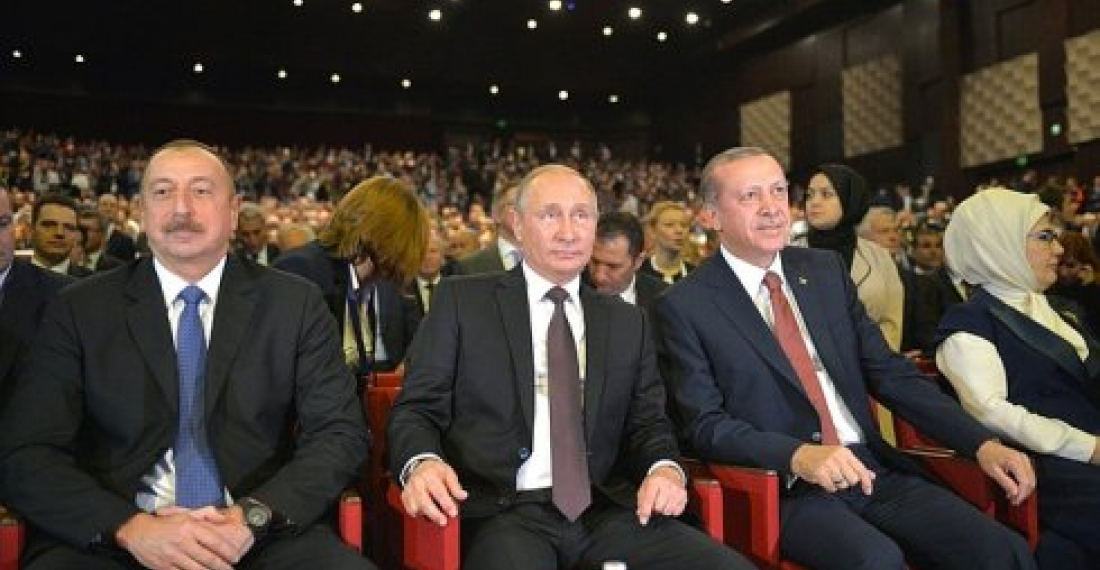
Турция, Россия и Азербайджан очертили амбициозную программу в сфере энергетики.

В понедельник, 10 октября, Турция и Россия подписали соглашение по стратегическому трубопроводу "Турецкий поток".

Предполагается, что по трубопроводу, который пролегает по дну Черного моря, пустят в направлении Турции и далее в Европу российский природный газ.

Во время церемонии подписания межправительственного соглашения со своим российским коллегой Владимиром Путиным, президент Турции Реджеп Тайип Эрдоган сказал, что министры и эксперты продолжат проводить двусторонние переговоры, добавив, что они будут вести переговоры с упором в сфере экономики, политики, обороны, туризма и культуры.

Президент также сказал, что они достигли консенсуса по ускорению процессов вокруг атомной электростанции Аккую.

Кроме того, Путин добавил, что обе страны также достигли консенсуса по вопросу скидки на природный газ, как часть сделки.

Он заявил, что Москва также сняла ограничения на импорт цитрусовых из Турции.

Президент Эрдоган также сообщил, что они подробно обсудили Сирию и операцию "Щит Евфрата", а также стратегии и сотрудничества в отношении гуманитарной помощи в Алеппо. Путин сказал, что Москва находится на одной и той же странице с Анкарой в вопросах доставки гуманитарной помощи в Алеппо.

По словам российского лидера, Москва и Анкара также договорились активизировать военные контакты.

Соглашение было подписано после двусторонней встречи между Эрдоганом и Путиным, который находился в Стамбуле для участия в 23-м Всемирном энергетическом конгрессе.

Российский Газпром и турецкий BOTAŞ в 2014 году подписали меморандум о взаимопонимании в рамках строительства трубопровода "Турецкий поток", с проектной мощностью 63 млрд кубометров (bcm) газа в год из России в Турцию по дну Черного моря.

Тем не менее, переговоры по проекту были приостановлены в прошлом году после того, как Турция сбила самолет военно-воздушных сил России и в ответ Москва ввела торговые санкции. Но с тех пор две страны добились значительного прогресса в налаживании отношений.

Эрдоган в августе, в ходе совместной пресс-конференции со своим российским коллегой сказал, что быстрое строительство газопровода является приоритетной задачей.

Это была первая поездка Путина в Турцию после двустороннего кризиса из-за сбитого Турцией российского военного самолета в небе над Сирией, в ноябре прошлого года. Он и Эрдоган до этого провели две встречи после договоренностей в июне по нормализации отношений - в родном городе Путина в Санкт-Петербурге, а затем на полях G-20 в Китае.

Ранее, выступая на 23-м Всемирном энергетическом конгрессе, Эрдоган сказал, что Анкара очень положетельно настроена на сделку.

В то же время, президент Азербайджана Ильхам Алиев во время своего выступления отметил, что инвестиции его страны в энергетику Турции достигнут $20 млрд.

"Мы вместе с Турцией реализуем многие важные энергетические проекты, представляющие большое значение для планеты."

"Проведение Всемирного энергетического конгресса в Турции - знаменательное событие. Оно свидетельствует о постепенно возрастающей роли Турции в мировой энергетической политике. Турция предпринимает очень важные шаги в решении вопроса энергетической безопасности," - сказал президент Алиев.

"Развитие, стабильность Турции нужны не только любящим ее странам, но и дружественным государствам, всему миру, так как Турция сегодня играет весьма существенную роль в определении энергетической политики мира."

"Рост благосостояния Турции важен не только для Турции в качестве лидера в определении энергетической политики в мире, но и для остального мира."

"Инвестиционная емкость Южного газового коридора составляет 45 миллиардов долларов и охватывает четыре важных проекта. Первый - TANAP, поставляющий наш газ в направлении Грузия - Турция- граница Греции. Второй - Южно-Кавказский газопровод, поставляющий азербайджанский газ на границу Турции. Третий - Транс-Адриатический трубопровод и, наконец, четвертый - освоение второй фазы газового месторождения «Шахдениз»".

По его словам Транс Анатолийский газопровод (TANAP) играет решающую роль в обеспечении энергетической безопасности в регионе.

10 октября 2016
 

Related articles

Editor's choice
News
Germany accuses Russia of cyberattacks and disinformation campaign

Germany accuses Russia of cyberattacks and disinformation campaign

The German government holds Russia responsible for a cyberattack on German air traffic control, and for targeted disinformation campaigns before the last federal election. According to the German Foreign Office in Berlin, the incidents could be clearly attributed to the Russian military intelligence service, the GRU. In response, the Russian ambassador to Berlin was summoned to the Foreign Ministry. "We have been observing a massive increase in threatening hybrid activities by Russia for some time now," a spokesperson for the Foreign Ministry stated. These range from disinformation campaigns and espionage to cyberattacks and sabotage attempts. The aim is to divide society, sow distrust, and undermine confidence in democratic institutions. The spokesperson added that with these actions, Russia is "very concretely threatening our security, not only through its war of aggression against Ukraine, but also here in Germany."  The Foreign Ministry spokesperson explained that the cyberattack on air traffic control in August 2024 was clearly attributed to the hacker collective "APT28," known as "Fancy Bear," and to the responsibility of the Russian military intelligence service, the GRU. Furthermore, it could now be "conclusively stated" that Russia had attempted "to influence and destabilize both the last Federal election and the ongoing internal affairs of the Federal Republic of Germany." There was "absolutely irrefutable evidence" for this". The so-called "Storm 1516" campaign, which has been running since 2024, is allegedly backed by "reliable information" that the Moscow-based think tank "Center for Geopolitical Expertise" is behind it. The Center is also said to be supported by Russian military intelligence. Its primary aim is to influence democratic elections in the West. (Click the image to read more).
Editor's choice
News
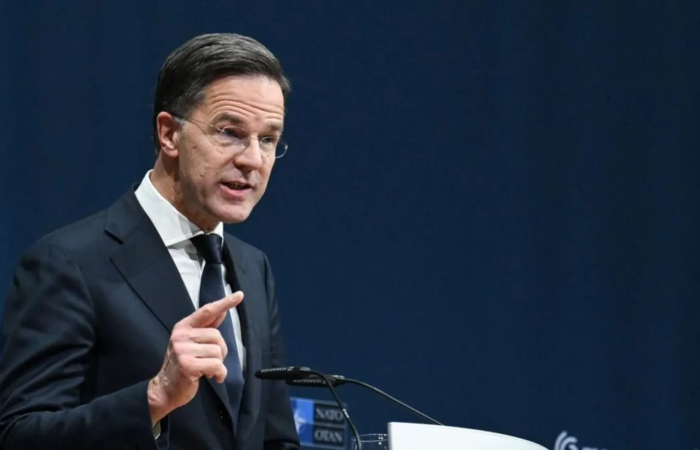
NATO Chief says war is on Europe's doorstep, and warns against complacency

NATO Chief says war is on Europe's doorstep, and warns against complacency

Russia could attack a NATO country within the next five years, the Secretary General of NATO, Mark Rutte, said in a stark new warning. "NATO's own defences can hold for now," Rutte warned in Berlin, but conflict was "next door" to Europe, and he feared "too many are quietly complacent, and too many don't feel the urgency, too many believe that time is on our side. "Russia is already escalating its covert campaign against our societies," Rutte said in a speech in Germany. "We must be prepared for the scale of war our grandparents or great-grandparents endured." Earlier this month, Russia's President Vladimir Putin said his country was not planning to go to war with Europe, but it was ready "right now" if Europe wanted to - or started a war. But similar reassurances were given by Moscow in 2022, just before 200,000 Russian troops crossed the border and invaded Ukraine. Putin has accused European countries of hindering US efforts to bring peace in Ukraine - a reference to the role Ukraine's European allies have recently played in trying to change a US peace plan to end the war, whose initial draft was seen as favouring Russia. But Putin was not sincere, Nato's secretary-general said in the German capital, Berlin. Supporting Ukraine, he added, was a guarantee for European security. "Just imagine if Putin got his way; Ukraine under the boot of Russian occupation, his forces pressing against a longer border with Nato, and the significantly increased risk of an armed attack against us." Russia's economy has been on a war footing for more than three years now - its factories churn out ever more supplies of drones, missiles and artillery shells. According to a recent report by the Kiel Institute for the World Economy, Russia has been producing each month around 150 tanks, 550 infantry fighting vehicles, 120 Lancet drones and more than 50 artillery pieces. The UK, and most of its Western allies, are simply not anywhere near this point. Analysts say it would take years for Western Europe's factories to come close to matching Russia's mass-production of weapons. "Allied defence spending and production must rise rapidly, our armed forces must have what they need to keep us safe," the Nato chief said.

Popular

Editor's choice
News
Germany accuses Russia of cyberattacks and disinformation campaign

Germany accuses Russia of cyberattacks and disinformation campaign

The German government holds Russia responsible for a cyberattack on German air traffic control, and for targeted disinformation campaigns before the last federal election. According to the German Foreign Office in Berlin, the incidents could be clearly attributed to the Russian military intelligence service, the GRU. In response, the Russian ambassador to Berlin was summoned to the Foreign Ministry. "We have been observing a massive increase in threatening hybrid activities by Russia for some time now," a spokesperson for the Foreign Ministry stated. These range from disinformation campaigns and espionage to cyberattacks and sabotage attempts. The aim is to divide society, sow distrust, and undermine confidence in democratic institutions. The spokesperson added that with these actions, Russia is "very concretely threatening our security, not only through its war of aggression against Ukraine, but also here in Germany."  The Foreign Ministry spokesperson explained that the cyberattack on air traffic control in August 2024 was clearly attributed to the hacker collective "APT28," known as "Fancy Bear," and to the responsibility of the Russian military intelligence service, the GRU. Furthermore, it could now be "conclusively stated" that Russia had attempted "to influence and destabilize both the last Federal election and the ongoing internal affairs of the Federal Republic of Germany." There was "absolutely irrefutable evidence" for this". The so-called "Storm 1516" campaign, which has been running since 2024, is allegedly backed by "reliable information" that the Moscow-based think tank "Center for Geopolitical Expertise" is behind it. The Center is also said to be supported by Russian military intelligence. Its primary aim is to influence democratic elections in the West. (Click the image to read more).