Турция, Грузия и Азербайджан выступили с совместным заявлением по итогам встречи министров иностранных дел в Баку

Турция, Грузия и Азербайджан выступили с совместным заявлением по итогам встречи министров иностранных дел, состоявшейся в среду (6 сентября), в котором они выразили удовлетворение растущим двусторонним и трехсторонним сотрудничеством между их странами и подтвердили свою твердую приверженность дальнейшему укреплению их сотрудничества на основе их стратегического партнерства, добрососедства и взаимного уважения и доверия.

В заявлении говорится, что три страны подтвердили свое взаимное уважение и решительную поддержку суверенитета, территориальной целостности и неприкосновенности международно признанных границ государств и подчеркнули, что существующие конфликты в регионе подрывают мир, стабильность и экономическое развитие и требуют мирного разрешения, основанного на упомянутых принципах международного права.

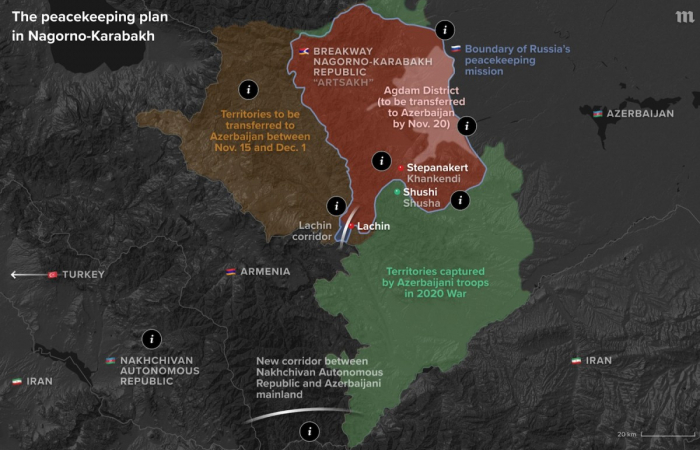
В заявлении говорится, что министры подтвердили "чрезвычайно важное значение скорейшего мирного урегулирования конфликта в и вокруг нагорно-карабахского региона Азербайджанской Республики и конфликта в Грузии на основе принципов и норм международного права, в частности, суверенитета, территориальной целостности и неприкосновенности международно признанных границ государств, а также в соответствии с соответствующими резолюциями, декларациями и решениями ООН, ОБСЕ и Совета Европы".

Касательно экономической повестки дня в заявлении говорится, что министры подчеркнули твердую решимость своих государств по изучению новых путей расширения трехстороннего сотрудничества, особенно в тех областях, которые обеспечат процветание народов трех стран путем экономического роста и устойчивого развития и активизировать все усилия по улучшению своего экономического и торгового сотрудничества, с тем чтобы обеспечить реальный потенциал для поощрения инвестиций и торговли; и далее укреплять сотрудничество в области энергетики, транспорта, сельского хозяйства, телекоммуникаций, промышленности, окружающей среды, образования, науки, культуры, туризма и спорта посредством совместных проектов и программ.

Министры также подчеркнули важность сотрудничества в гуманитарной сфере, включая культуру, образование, здравоохранение, молодежный обмен, туризм и спорт, что будет способствовать дальнейшему расширению контактов между людьми между их странами и также выразили готовность инициировать и поощрять совместные проектов и мероприятий в этих сферах. Они вновь подтвердили свою решимость продолжать углублять трехсторонний диалог по региональным и глобальным вопросам, представляющим общий интерес, а также укреплять координацию в рамках международных организаций.

Сообщается также, что следующая встреча трех министров иностранных дел состоится в Турции и что министры готовят встречу президентов трех стран, которая, вероятно, состоится в 2018 году.

источник: commonspace.eu по материалам агентств

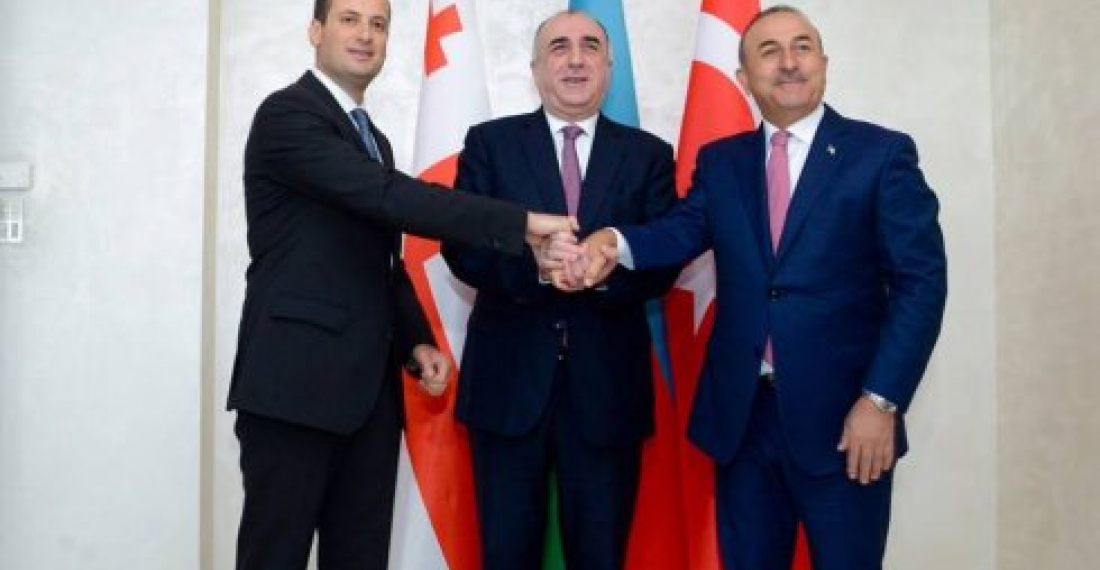
фото: Министры иностранных дел Турции, Азербайджана и Грузии в ходе совместной встречи в Баку, 6 сентября 2017 года
Related articles

Editor's choice
News
Borrell tells the European Parliament that the situation in Afghanistan was critical, but the EU will remain engaged

Borrell tells the European Parliament that the situation in Afghanistan was critical, but the EU will remain engaged

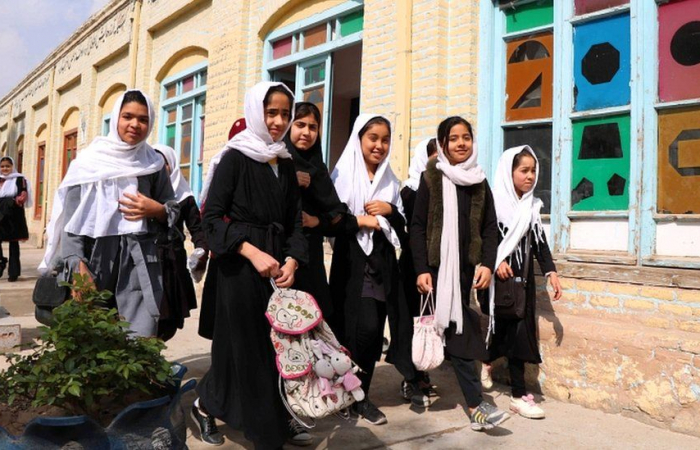
Borrell underlined that the European Union will make every effort to support the peace process and to remain a committed partner to the Afghan people. "Of course, we will have to take into account the evolving situation, but disengagement is not an option.  We are clear on that: there is no alternative to a negotiated political settlement, through inclusive peace talks.
Editor's choice
News
Germany accuses Russia of cyberattacks and disinformation campaign

Germany accuses Russia of cyberattacks and disinformation campaign

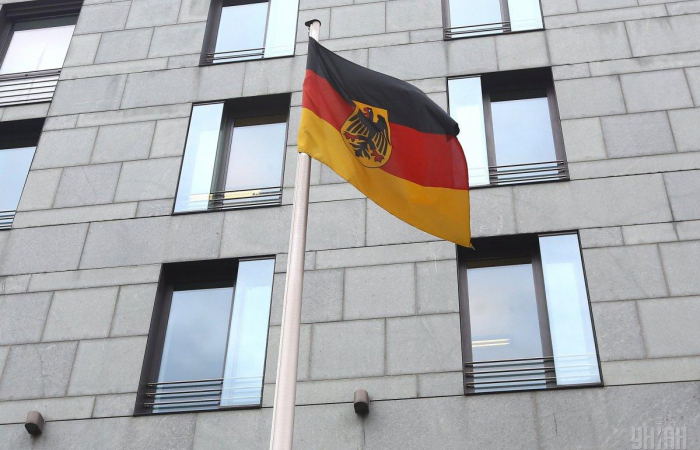
The German government holds Russia responsible for a cyberattack on German air traffic control, and for targeted disinformation campaigns before the last federal election. According to the German Foreign Office in Berlin, the incidents could be clearly attributed to the Russian military intelligence service, the GRU. In response, the Russian ambassador to Berlin was summoned to the Foreign Ministry. "We have been observing a massive increase in threatening hybrid activities by Russia for some time now," a spokesperson for the Foreign Ministry stated. These range from disinformation campaigns and espionage to cyberattacks and sabotage attempts. The aim is to divide society, sow distrust, and undermine confidence in democratic institutions. The spokesperson added that with these actions, Russia is "very concretely threatening our security, not only through its war of aggression against Ukraine, but also here in Germany."  The Foreign Ministry spokesperson explained that the cyberattack on air traffic control in August 2024 was clearly attributed to the hacker collective "APT28," known as "Fancy Bear," and to the responsibility of the Russian military intelligence service, the GRU. Furthermore, it could now be "conclusively stated" that Russia had attempted "to influence and destabilize both the last Federal election and the ongoing internal affairs of the Federal Republic of Germany." There was "absolutely irrefutable evidence" for this". The so-called "Storm 1516" campaign, which has been running since 2024, is allegedly backed by "reliable information" that the Moscow-based think tank "Center for Geopolitical Expertise" is behind it. The Center is also said to be supported by Russian military intelligence. Its primary aim is to influence democratic elections in the West. (Click the image to read more).

Popular

Editor's choice
News
Germany accuses Russia of cyberattacks and disinformation campaign

Germany accuses Russia of cyberattacks and disinformation campaign

The German government holds Russia responsible for a cyberattack on German air traffic control, and for targeted disinformation campaigns before the last federal election. According to the German Foreign Office in Berlin, the incidents could be clearly attributed to the Russian military intelligence service, the GRU. In response, the Russian ambassador to Berlin was summoned to the Foreign Ministry. "We have been observing a massive increase in threatening hybrid activities by Russia for some time now," a spokesperson for the Foreign Ministry stated. These range from disinformation campaigns and espionage to cyberattacks and sabotage attempts. The aim is to divide society, sow distrust, and undermine confidence in democratic institutions. The spokesperson added that with these actions, Russia is "very concretely threatening our security, not only through its war of aggression against Ukraine, but also here in Germany."  The Foreign Ministry spokesperson explained that the cyberattack on air traffic control in August 2024 was clearly attributed to the hacker collective "APT28," known as "Fancy Bear," and to the responsibility of the Russian military intelligence service, the GRU. Furthermore, it could now be "conclusively stated" that Russia had attempted "to influence and destabilize both the last Federal election and the ongoing internal affairs of the Federal Republic of Germany." There was "absolutely irrefutable evidence" for this". The so-called "Storm 1516" campaign, which has been running since 2024, is allegedly backed by "reliable information" that the Moscow-based think tank "Center for Geopolitical Expertise" is behind it. The Center is also said to be supported by Russian military intelligence. Its primary aim is to influence democratic elections in the West. (Click the image to read more).