Специальный представитель ЕС изложил подход к неразрешенным конфликтам на Южном Кавказе

"Европейский Союз имеет фундаментальный интерес к нагорно-карабахскому конфликту. Мы хотим хороших отношений с Арменией и Азербайджаном и у нас есть подписанные соглашения с ними. Мы хотим внести конструктивный вклад в урегулирование конфликта ....... Но нельзя отделять вопрос о статусе от вопроса технической поддержки в зоне конфликта. Это можно сделать только тогда, когда сопредседатели Минского процесса и обе стороны в конфликте согласятся, что настало время сделать это. До тех пор я не вижу возможности для ЕС вмешиватся". Об этом заявил Специальный представитель Европейского Союза по Южному Кавказу Тойво Клаар в ходе Политического диалога в Брюсселе в понедельник, 26 февраля.

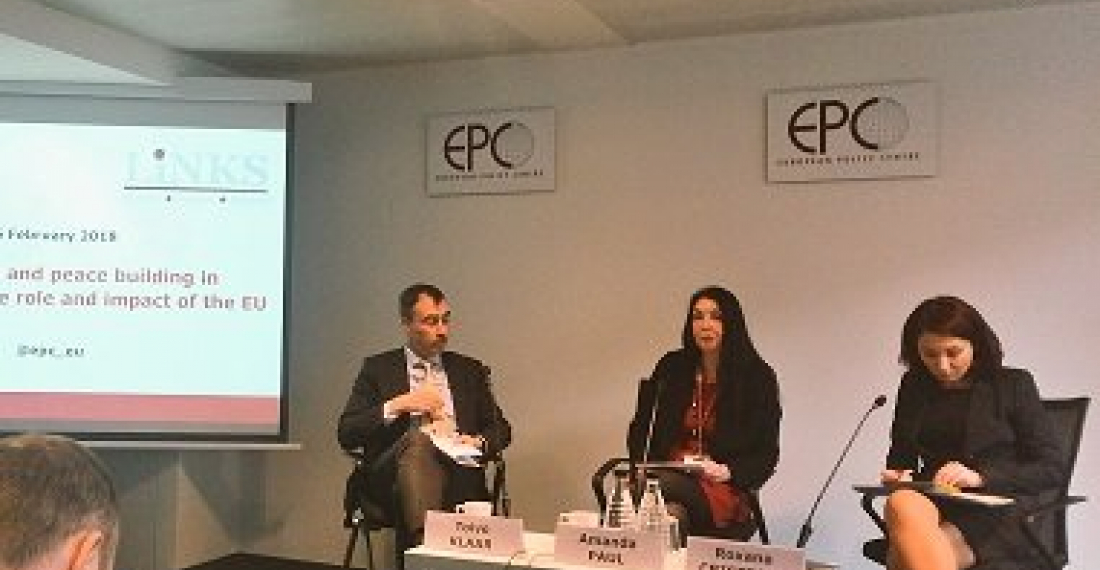
Политический диалог по теме "Разрешение конфликтов и миростроительство на Южном Кавказе: роль и влияние ЕС" был организован Европейским политическим центром и LINKS (Диалог, Анализ и Исследования) под председательством Аманды Пол.

Клаар сказал, что неразрешенные конфликты оказывают негативное влияние на регион - в плане безопасности, экономики и в общем развитии региона. Он сказал, что некоторые международные участники, похоже, думают, что могут воспользоваться нынешней ситуацией, например, продавая оружие. Европейский Союз по-разному вовлечен в урегулирование конфликтов в регионе. В нагорно-карабахском конфликте ЕС поддерживает усилия Минской группы и взаимодействует со сторонами для продвижения важных сигналов, таких как необходимость снижения напряженности, поддержки переговоров и поощрение контактов между людьми. В условиях все более поляризованной ситуации ЕС намеренно уделяет больше внимания гражданскому обществу. Программа ЕС - ЕПНК - с 2009 года ее деятельность направлена на расширение участия заинтересованных сторон в вопросах, связанных с мирным процессом.

Клаар также обратился к участию ЕС в конфликтах в Грузии. ЕС помог достичь прекращения огня в 2008 году, но имеет фундаментальное несогласие с Россией относительно того, как двигаться дальше. Мирного плана нет. Но международные переговоры проходящие в Женеве важны для управления конфликтом. ЕС имеет ряд инструментов для управления конфликтов в Грузии, таких как МНЕС, но его самым большим вкладом должно быть продвижение таких ценностей, как права человека, верховенство закона, рыночная экономика и развитие региональных связей. По словам Клара у ЕС есть влияние, но иногда он не в полной мере использует ее.

Еще одним гостем в ходе Политического диалога была Роксана Кристеску из Crisis Management Initiative (CMI). По ее словам, у людей в регионе очень высокие ожидания того, что ЕС и другие международные организации смогут сделать для разрешения конфликта. Фактически большинство инструментов, доступных международному сообществу, предназначены для управления конфликтами, а не для их решения. Организации гражданского общества участвуют в поддержании путей коммуникации. Для перехода к трансформации конфликта должен быть более долгосрочный подход с более широким участием. По ее словам, мирные процессы проходят через три этапа: прекращение огня, переговоры и осуществление. Говоря о роли ЕС, Кристеску сказала, что роль специального представителя ЕС не следует недооценивать, особенно, работая в региональном контексте. Она подчеркнула тот факт, что конфликты охватили более широкий региональный контекст, и на роль ЕС влияют более широкие отношения между ЕС и Россией.

источник: commonspace.eu

фото: Выступающие на политическом диалоге EPC-LINKS, состоявшемся в Брюсселе 26 февраля 2018 года (фото любезно предоставлено twitter EPC - @EPC_EU
Related articles

Editor's choice
News
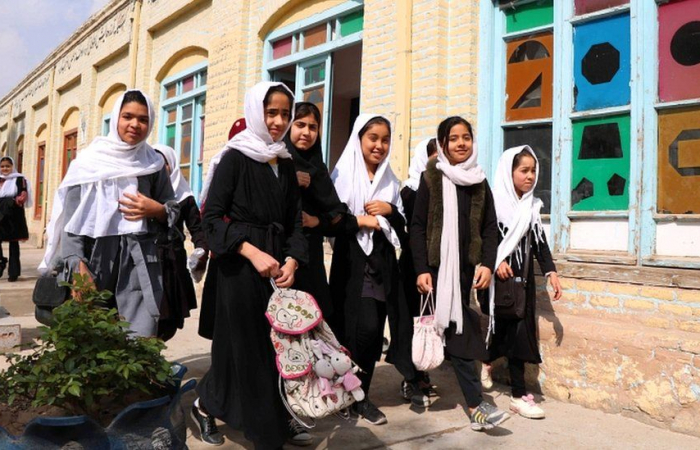
Borrell tells the European Parliament that the situation in Afghanistan was critical, but the EU will remain engaged

Borrell tells the European Parliament that the situation in Afghanistan was critical, but the EU will remain engaged

Borrell underlined that the European Union will make every effort to support the peace process and to remain a committed partner to the Afghan people. "Of course, we will have to take into account the evolving situation, but disengagement is not an option.  We are clear on that: there is no alternative to a negotiated political settlement, through inclusive peace talks.
Editor's choice
News
Germany accuses Russia of cyberattacks and disinformation campaign

Germany accuses Russia of cyberattacks and disinformation campaign

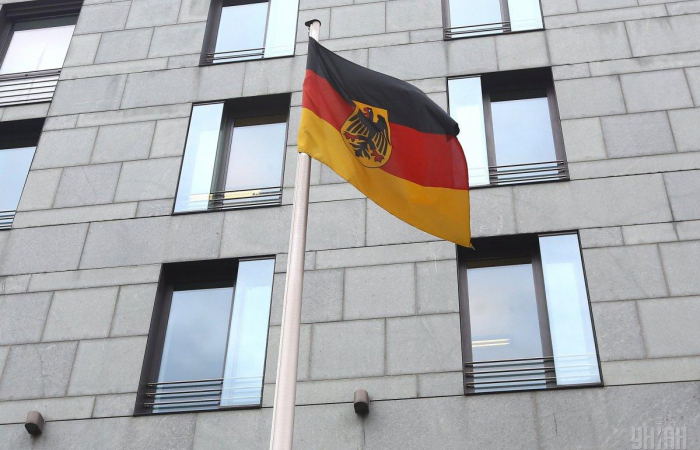
The German government holds Russia responsible for a cyberattack on German air traffic control, and for targeted disinformation campaigns before the last federal election. According to the German Foreign Office in Berlin, the incidents could be clearly attributed to the Russian military intelligence service, the GRU. In response, the Russian ambassador to Berlin was summoned to the Foreign Ministry. "We have been observing a massive increase in threatening hybrid activities by Russia for some time now," a spokesperson for the Foreign Ministry stated. These range from disinformation campaigns and espionage to cyberattacks and sabotage attempts. The aim is to divide society, sow distrust, and undermine confidence in democratic institutions. The spokesperson added that with these actions, Russia is "very concretely threatening our security, not only through its war of aggression against Ukraine, but also here in Germany."  The Foreign Ministry spokesperson explained that the cyberattack on air traffic control in August 2024 was clearly attributed to the hacker collective "APT28," known as "Fancy Bear," and to the responsibility of the Russian military intelligence service, the GRU. Furthermore, it could now be "conclusively stated" that Russia had attempted "to influence and destabilize both the last Federal election and the ongoing internal affairs of the Federal Republic of Germany." There was "absolutely irrefutable evidence" for this". The so-called "Storm 1516" campaign, which has been running since 2024, is allegedly backed by "reliable information" that the Moscow-based think tank "Center for Geopolitical Expertise" is behind it. The Center is also said to be supported by Russian military intelligence. Its primary aim is to influence democratic elections in the West. (Click the image to read more).

Popular

Editor's choice
News
Germany accuses Russia of cyberattacks and disinformation campaign

Germany accuses Russia of cyberattacks and disinformation campaign

The German government holds Russia responsible for a cyberattack on German air traffic control, and for targeted disinformation campaigns before the last federal election. According to the German Foreign Office in Berlin, the incidents could be clearly attributed to the Russian military intelligence service, the GRU. In response, the Russian ambassador to Berlin was summoned to the Foreign Ministry. "We have been observing a massive increase in threatening hybrid activities by Russia for some time now," a spokesperson for the Foreign Ministry stated. These range from disinformation campaigns and espionage to cyberattacks and sabotage attempts. The aim is to divide society, sow distrust, and undermine confidence in democratic institutions. The spokesperson added that with these actions, Russia is "very concretely threatening our security, not only through its war of aggression against Ukraine, but also here in Germany."  The Foreign Ministry spokesperson explained that the cyberattack on air traffic control in August 2024 was clearly attributed to the hacker collective "APT28," known as "Fancy Bear," and to the responsibility of the Russian military intelligence service, the GRU. Furthermore, it could now be "conclusively stated" that Russia had attempted "to influence and destabilize both the last Federal election and the ongoing internal affairs of the Federal Republic of Germany." There was "absolutely irrefutable evidence" for this". The so-called "Storm 1516" campaign, which has been running since 2024, is allegedly backed by "reliable information" that the Moscow-based think tank "Center for Geopolitical Expertise" is behind it. The Center is also said to be supported by Russian military intelligence. Its primary aim is to influence democratic elections in the West. (Click the image to read more).