


Словацкое председательство в ОБСЕ наметило приоритеты на 2019 год

Решение неразрешенных конфликтов в регионе ОБСЕ станет одним из приоритетов словацкого председательства в Организации по безопасности и сотрудничеству в Европе (ОБСЕ) в 2019 году. Словакия приняла ежегодное председательство в организации на прошлой неделе и уже в четверг (10 января) министр иностранных дел этой страны Мирослав Лайчак находился в Вене, где выступил на заседании Постоянного совета представителей 57 государств-членов организации.

Говоря о приоритетах председательства в предотвращении и разрешении конфликтов, Лайчак обратил внимание на человеческие страдания, вызванные затяжными конфликтами, добавив, что особое внимание будет уделено ситуации в Украине и вокруг нее. Напомнив Постоянному совету о необходимости поддержки Специальной мониторинговой миссии ОБСЕ и объявив о своем визите в Украину на следующей неделе, Действующий председатель ОБСЕ сказал, что он сосредоточится на возможностях для диалога. "Если есть какой-то способ немедленно облегчить ситуацию для людей на местах, мы должны принять его", - сказал он.

Лайчак также признал позитивный момент, когда речь зашла о процессе приднестровского урегулирования, недавней интенсификации диалога и уменьшении нарушений прекращения огня и жертв в нагорно-карабахском конфликте, а также возобновлении встреч Механизма по предотвращению инцидентов и реагированию в Эргнети.

Представляя второй приоритет председательства - более безопасное будущее - Лайчак сказал, что если ОБСЕ хочет изменить жизнь людей, она не может сосредоточиться только на вызовах сегодняшнего дня.

"Мы все еще в неведении относительно роли коммуникационных технологий, искусственного интеллекта или энергетических инноваций, и которую они сыграют на нашем ландшафте безопасности, спустя многие годы. Но одно можно сказать наверняка: нам нужно начать думать об этом - и говорить об этом - больше."

Будучи хранителями настоящего и будущего, он призвал молодых людей иметь большее право голоса, добавив, что они придумывают новые способы предотвращения насильственного экстремизма, борьбы с изменением климата и стимулирования устойчивого развития.

Переходя к третьему приоритету председательства - эффективной многосторонности - Действующий председатель ОБСЕ отметил, что сегодняшние вызовы безопасности не могут быть решены одной страной.

Мирослав Лайчак отметил, что основные проблемы, стоящие перед регионом ОБСЕ и за его пределами, требуют большего сотрудничества и большего диалога, чем когда-либо прежде. Лайчак отметил, что все инструменты, необходимые для преодоления текущих проблем безопасности, уже существуют. "На самом деле, многое лежит прямо здесь, в ОБСЕ", - добавил он.

источник: commonspace.eu

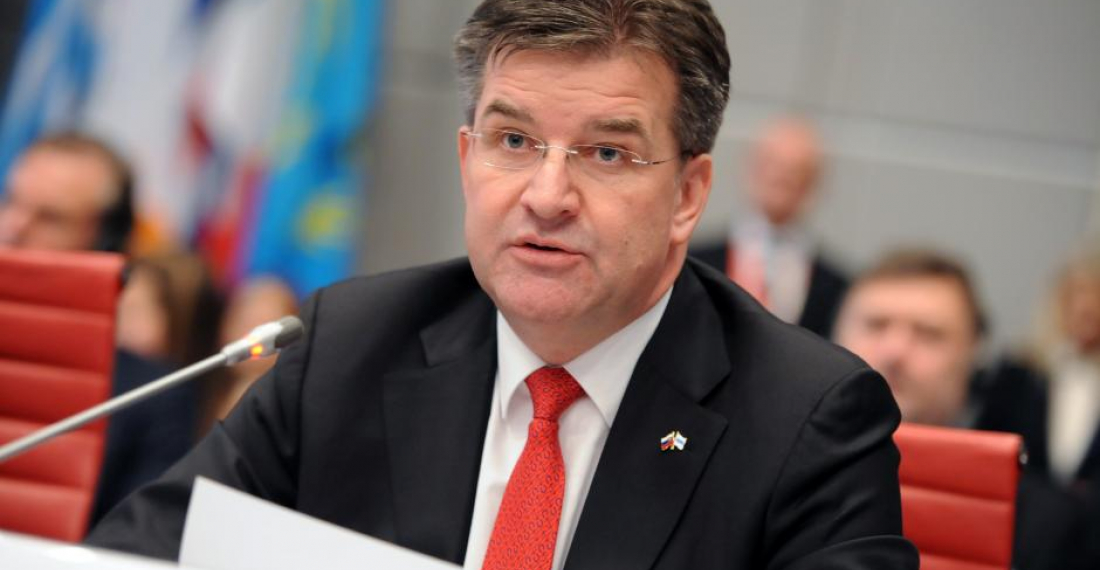
фото: Министр иностранных дел Словакии Мирсолав Лайчак выступает на заседании Постоянного совета ОБСЕ в Вене, 10 января 2019 года (фото любезно предоставлено ОБСЕ)


Related articles

Editor's choice
News
Germany accuses Russia of cyberattacks and disinformation campaign

Germany accuses Russia of cyberattacks and disinformation campaign

The German government holds Russia responsible for a cyberattack on German air traffic control, and for targeted disinformation campaigns before the last federal election. According to the German Foreign Office in Berlin, the incidents could be clearly attributed to the Russian military intelligence service, the GRU. In response, the Russian ambassador to Berlin was summoned to the Foreign Ministry. "We have been observing a massive increase in threatening hybrid activities by Russia for some time now," a spokesperson for the Foreign Ministry stated. These range from disinformation campaigns and espionage to cyberattacks and sabotage attempts. The aim is to divide society, sow distrust, and undermine confidence in democratic institutions. The spokesperson added that with these actions, Russia is "very concretely threatening our security, not only through its war of aggression against Ukraine, but also here in Germany."  The Foreign Ministry spokesperson explained that the cyberattack on air traffic control in August 2024 was clearly attributed to the hacker collective "APT28," known as "Fancy Bear," and to the responsibility of the Russian military intelligence service, the GRU. Furthermore, it could now be "conclusively stated" that Russia had attempted "to influence and destabilize both the last Federal election and the ongoing internal affairs of the Federal Republic of Germany." There was "absolutely irrefutable evidence" for this". The so-called "Storm 1516" campaign, which has been running since 2024, is allegedly backed by "reliable information" that the Moscow-based think tank "Center for Geopolitical Expertise" is behind it. The Center is also said to be supported by Russian military intelligence. Its primary aim is to influence democratic elections in the West. (Click the image to read more).
Editor's choice
News
NATO Chief says war is on Europe's doorstep, and warns against complacency

NATO Chief says war is on Europe's doorstep, and warns against complacency

Russia could attack a NATO country within the next five years, the Secretary General of NATO, Mark Rutte, said in a stark new warning. "NATO's own defences can hold for now," Rutte warned in Berlin, but conflict was "next door" to Europe, and he feared "too many are quietly complacent, and too many don't feel the urgency, too many believe that time is on our side. "Russia is already escalating its covert campaign against our societies," Rutte said in a speech in Germany. "We must be prepared for the scale of war our grandparents or great-grandparents endured." Earlier this month, Russia's President Vladimir Putin said his country was not planning to go to war with Europe, but it was ready "right now" if Europe wanted to - or started a war. But similar reassurances were given by Moscow in 2022, just before 200,000 Russian troops crossed the border and invaded Ukraine. Putin has accused European countries of hindering US efforts to bring peace in Ukraine - a reference to the role Ukraine's European allies have recently played in trying to change a US peace plan to end the war, whose initial draft was seen as favouring Russia. But Putin was not sincere, Nato's secretary-general said in the German capital, Berlin. Supporting Ukraine, he added, was a guarantee for European security. "Just imagine if Putin got his way; Ukraine under the boot of Russian occupation, his forces pressing against a longer border with Nato, and the significantly increased risk of an armed attack against us." Russia's economy has been on a war footing for more than three years now - its factories churn out ever more supplies of drones, missiles and artillery shells. According to a recent report by the Kiel Institute for the World Economy, Russia has been producing each month around 150 tanks, 550 infantry fighting vehicles, 120 Lancet drones and more than 50 artillery pieces. The UK, and most of its Western allies, are simply not anywhere near this point. Analysts say it would take years for Western Europe's factories to come close to matching Russia's mass-production of weapons. "Allied defence spending and production must rise rapidly, our armed forces must have what they need to keep us safe," the Nato chief said.

Popular

Editor's choice
News
Germany accuses Russia of cyberattacks and disinformation campaign

Germany accuses Russia of cyberattacks and disinformation campaign

The German government holds Russia responsible for a cyberattack on German air traffic control, and for targeted disinformation campaigns before the last federal election. According to the German Foreign Office in Berlin, the incidents could be clearly attributed to the Russian military intelligence service, the GRU. In response, the Russian ambassador to Berlin was summoned to the Foreign Ministry. "We have been observing a massive increase in threatening hybrid activities by Russia for some time now," a spokesperson for the Foreign Ministry stated. These range from disinformation campaigns and espionage to cyberattacks and sabotage attempts. The aim is to divide society, sow distrust, and undermine confidence in democratic institutions. The spokesperson added that with these actions, Russia is "very concretely threatening our security, not only through its war of aggression against Ukraine, but also here in Germany."  The Foreign Ministry spokesperson explained that the cyberattack on air traffic control in August 2024 was clearly attributed to the hacker collective "APT28," known as "Fancy Bear," and to the responsibility of the Russian military intelligence service, the GRU. Furthermore, it could now be "conclusively stated" that Russia had attempted "to influence and destabilize both the last Federal election and the ongoing internal affairs of the Federal Republic of Germany." There was "absolutely irrefutable evidence" for this". The so-called "Storm 1516" campaign, which has been running since 2024, is allegedly backed by "reliable information" that the Moscow-based think tank "Center for Geopolitical Expertise" is behind it. The Center is also said to be supported by Russian military intelligence. Its primary aim is to influence democratic elections in the West. (Click the image to read more).

