Россия и Грузия договорились об условиях торговли при посредничестве Швейцарии

Федеральное министерство иностранных дел Швейцарии (FDFA) в заявлении опубликованном во вторник (5 февраля) сообщает, что переговоры между Россией и Грузией при посредничестве Швейцарии по вопросам, связанным с таможней, управлением и торговлей товарами, были успешно завершены, и таким образом были созданы механизмы, предусмотренные в соглашении между двумя странами, подписанном в 2011 году.

В заявлении правительства Швейцарии говорится:

Под эгидой посреднических услуг Швейцарии были завершены переговоры и созданы условия для выполнения таможенного соглашения, подписанного Грузией и Россией в 2011 году. Швейцария будет и впредь играть активную роль на этом новом этапе, председательствуя в Объединенном комитете по надзору за осуществлением соглашения. 6 февраля 2019 года в Женеве состоится первое заседание Объединенного комитета, на котором соберутся представители Грузии, России и Швейцарии.

9 ноября 2011 года правительства Грузии и России подписали в Женеве двустороннее соглашение, регулирующее основные принципы таможенного администрирования и контроля за торговлей товарами. Соглашение предусматривает, что торгуемые товары, пересекающие три предопределенных таможенных коридора, должны подвергаться мониторинговому механизму под надзором беспристрастной частной компании. Соглашение было частью пакета соглашений, заключенных Грузией и Россией в ходе вступления Российской Федерации в ВТО.

С момента подписания таможенного соглашения Швейцария действовала как «беспристрастная третья сторона», чтобы облегчить его выполнение. Это включало оказание помощи в определении беспристрастной частной компании, которой будет дан мандат от двух государств-участников - SGS (Société générale deillance SA), базирующейся в Женеве. Швейцария также предложила финансовый механизм для облегчения платежей в SGS путем предоставления счета для средств, переведенных Грузией и Россией. Кроме того, Швейцария согласилась председательствовать в Объединенном комитете, предусмотренном таможенным соглашением, в задачи которого входит надзор за выполнением таможенного соглашения и прояснение существующих открытых вопросов, урегулирование потенциальных споров и привлечение специалистов в случае необходимости.

С момента подписания таможенного соглашения в 2011 году, FDFA способствовала нескольким раундам дискуссий между Россией, Грузией и SGS. Все соответствующие тексты могут быть окончательно подписаны в 2018 году, что станет концом этапа переговоров.

Россия и Грузия не имеют дипломатических отношений. Две страны представлены в столицах друг друга через отделения (отделы по интересам) под швейцарским флагом.

источник: commonspace.eu, Федеральное министерство иностранных дел Швейцарии, Берн.

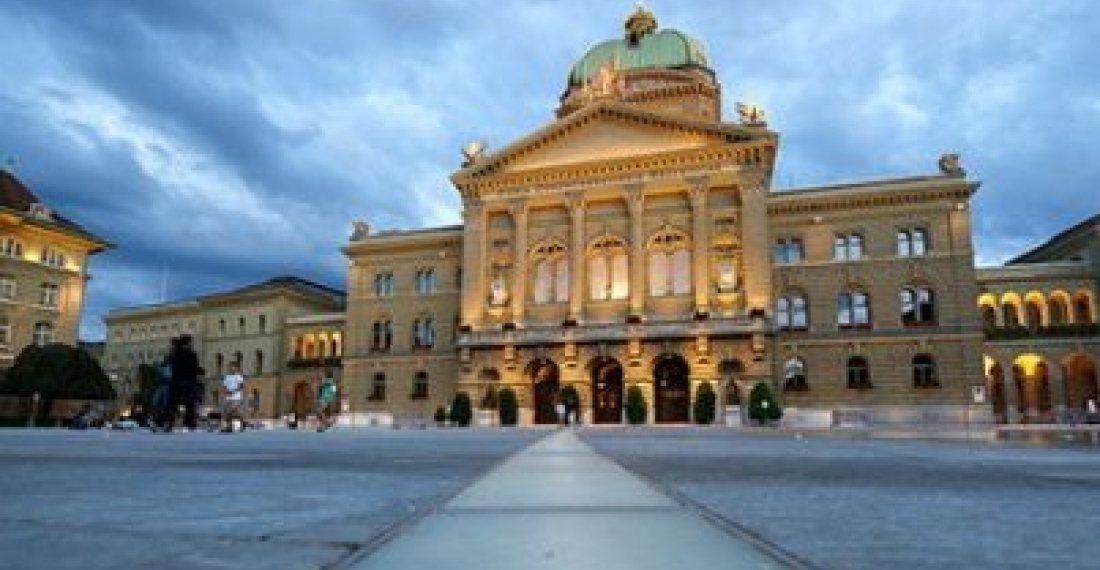
фото: Федеральное министерство иностранных дел Швейцарии в Берне
Related articles

Editor's choice
News
Borrell tells the European Parliament that the situation in Afghanistan was critical, but the EU will remain engaged

Borrell tells the European Parliament that the situation in Afghanistan was critical, but the EU will remain engaged

Borrell underlined that the European Union will make every effort to support the peace process and to remain a committed partner to the Afghan people. "Of course, we will have to take into account the evolving situation, but disengagement is not an option.  We are clear on that: there is no alternative to a negotiated political settlement, through inclusive peace talks.
Editor's choice
News
Germany accuses Russia of cyberattacks and disinformation campaign

Germany accuses Russia of cyberattacks and disinformation campaign

The German government holds Russia responsible for a cyberattack on German air traffic control, and for targeted disinformation campaigns before the last federal election. According to the German Foreign Office in Berlin, the incidents could be clearly attributed to the Russian military intelligence service, the GRU. In response, the Russian ambassador to Berlin was summoned to the Foreign Ministry. "We have been observing a massive increase in threatening hybrid activities by Russia for some time now," a spokesperson for the Foreign Ministry stated. These range from disinformation campaigns and espionage to cyberattacks and sabotage attempts. The aim is to divide society, sow distrust, and undermine confidence in democratic institutions. The spokesperson added that with these actions, Russia is "very concretely threatening our security, not only through its war of aggression against Ukraine, but also here in Germany."  The Foreign Ministry spokesperson explained that the cyberattack on air traffic control in August 2024 was clearly attributed to the hacker collective "APT28," known as "Fancy Bear," and to the responsibility of the Russian military intelligence service, the GRU. Furthermore, it could now be "conclusively stated" that Russia had attempted "to influence and destabilize both the last Federal election and the ongoing internal affairs of the Federal Republic of Germany." There was "absolutely irrefutable evidence" for this". The so-called "Storm 1516" campaign, which has been running since 2024, is allegedly backed by "reliable information" that the Moscow-based think tank "Center for Geopolitical Expertise" is behind it. The Center is also said to be supported by Russian military intelligence. Its primary aim is to influence democratic elections in the West. (Click the image to read more).

Popular

Editor's choice
News
Germany accuses Russia of cyberattacks and disinformation campaign

Germany accuses Russia of cyberattacks and disinformation campaign

The German government holds Russia responsible for a cyberattack on German air traffic control, and for targeted disinformation campaigns before the last federal election. According to the German Foreign Office in Berlin, the incidents could be clearly attributed to the Russian military intelligence service, the GRU. In response, the Russian ambassador to Berlin was summoned to the Foreign Ministry. "We have been observing a massive increase in threatening hybrid activities by Russia for some time now," a spokesperson for the Foreign Ministry stated. These range from disinformation campaigns and espionage to cyberattacks and sabotage attempts. The aim is to divide society, sow distrust, and undermine confidence in democratic institutions. The spokesperson added that with these actions, Russia is "very concretely threatening our security, not only through its war of aggression against Ukraine, but also here in Germany."  The Foreign Ministry spokesperson explained that the cyberattack on air traffic control in August 2024 was clearly attributed to the hacker collective "APT28," known as "Fancy Bear," and to the responsibility of the Russian military intelligence service, the GRU. Furthermore, it could now be "conclusively stated" that Russia had attempted "to influence and destabilize both the last Federal election and the ongoing internal affairs of the Federal Republic of Germany." There was "absolutely irrefutable evidence" for this". The so-called "Storm 1516" campaign, which has been running since 2024, is allegedly backed by "reliable information" that the Moscow-based think tank "Center for Geopolitical Expertise" is behind it. The Center is also said to be supported by Russian military intelligence. Its primary aim is to influence democratic elections in the West. (Click the image to read more).