Путин приветствует «союзную» Южную Осетию

Во вторник российский лидер принял президента де-факто правительства Южной Осетии, в преддверии выборов в этом регионе.

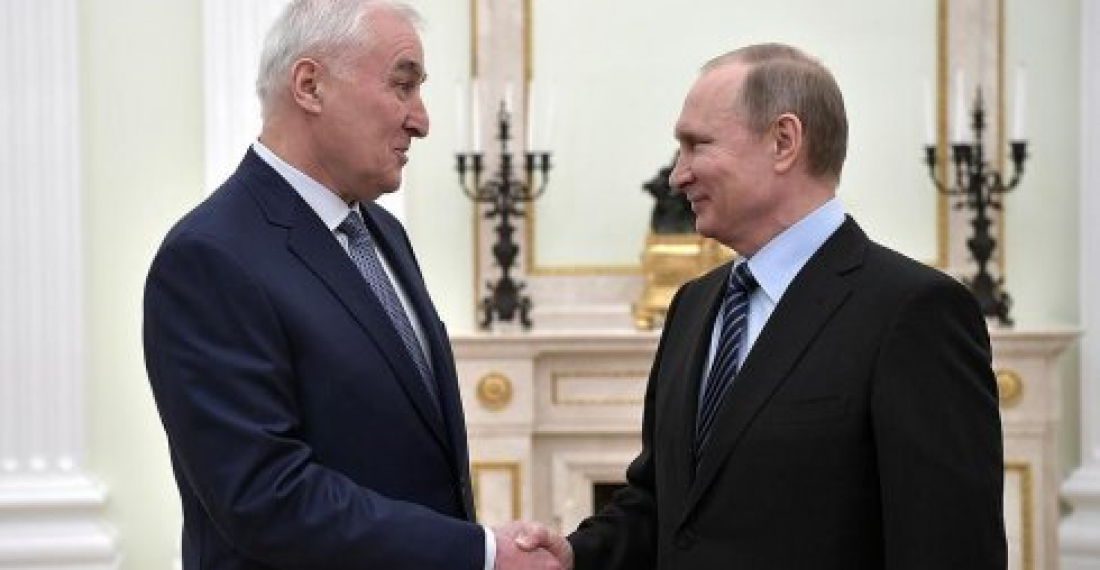
Во вторник (21 марта) Президент России Владимир Путин принял в Кремле де-факто президента Южной Осетии Леонида Тибилова в преддверии президентских выборов в этом регионе, который является центром российской политики на Южном Кавказе в течение последних двух десятилетий. Президент Путин сказал Тибилову, что "между Россией и Южной Осетией сложились поистине союзнические отношения". Намекая на проблемы с коррупцией в предоставляемой российской помощи, что отравила отношения в последнее десятилетие, Путин добавил: "Конечно, всегда в такой большой работе есть вопросы, которые требуют особого внимания с нашей стороны. В целом мы довольны тем, что ситуация в вашей стране стабилизируется, можно сказать - стабилизировалась."

По словам Путина, на повестке дня стояли вопросы безопасности, укрепления обороноспособности и социально-экономические вопросы, такие как повышение уровня жизни. Говоря о предстоящих выборах в этом регионе, запланированных на апрель, Путин сказал Тибилову: "Желаю Вам удачи. Надеюсь, что всё пройдёт в рамках действующей конституции, при соблюдении законов Южной Осетии и в конечном итоге создаст новые благоприятные условия для развития."

В ответ Леонид Тибилов упомянул подписанный между Россией и Южной Осетией в 2015 году Договор о союзничестве и интеграции. "Наши встречи стали практически ежегодными, традиционными, для обсуждения различных аспектов двусторонней повестки, в том числе, конечно же, о союзничестве и развитии, интеграции между Южной Осетией и Россией", - сказал Тибилов.

"Сегодня мне также хочется сказать о том, что за эти два года проведена большая успешная работа по реализации Договора: он наполнен новыми соглашениями, многие из них уже действуют, работают, и народ уже ощутил на себе результаты этих соглашений. И, знаете, Владимир Владимирович, эти соглашения и договорённости - это не просто какое-то предметное направление: это безопасность, уверенность в завтрашнем дне, продолжение работы по социально-экономическому развитию страны, сотрудничество в гуманитарной сфере."

Редакционное примечание: Южная Осетия вышла из состава Грузии во время насильственного конфликта в начале 1990-х годов. В августе 2008 года, после короткой войны между Россией и Грузией, Россия признала Южную Осетию как независимое государство. За исключением двух или трех других стран, остальная часть международного сообщества все еще признает Южную Осетию как часть Грузии.

Источник: commonspace.eu по материалам Kremlin.ru

Фото: Президент России Владимир Путин в ходе встречи с де-факто президентом Южной Осетии Леонидом Тибиловым в Кремле, 21 марта 2017 года (фото любезно предоставлено пресс-службой президента России)
Related articles

Editor's choice
News
Borrell tells the European Parliament that the situation in Afghanistan was critical, but the EU will remain engaged

Borrell tells the European Parliament that the situation in Afghanistan was critical, but the EU will remain engaged

Borrell underlined that the European Union will make every effort to support the peace process and to remain a committed partner to the Afghan people. "Of course, we will have to take into account the evolving situation, but disengagement is not an option.  We are clear on that: there is no alternative to a negotiated political settlement, through inclusive peace talks.
Editor's choice
News
Germany accuses Russia of cyberattacks and disinformation campaign

Germany accuses Russia of cyberattacks and disinformation campaign

The German government holds Russia responsible for a cyberattack on German air traffic control, and for targeted disinformation campaigns before the last federal election. According to the German Foreign Office in Berlin, the incidents could be clearly attributed to the Russian military intelligence service, the GRU. In response, the Russian ambassador to Berlin was summoned to the Foreign Ministry. "We have been observing a massive increase in threatening hybrid activities by Russia for some time now," a spokesperson for the Foreign Ministry stated. These range from disinformation campaigns and espionage to cyberattacks and sabotage attempts. The aim is to divide society, sow distrust, and undermine confidence in democratic institutions. The spokesperson added that with these actions, Russia is "very concretely threatening our security, not only through its war of aggression against Ukraine, but also here in Germany."  The Foreign Ministry spokesperson explained that the cyberattack on air traffic control in August 2024 was clearly attributed to the hacker collective "APT28," known as "Fancy Bear," and to the responsibility of the Russian military intelligence service, the GRU. Furthermore, it could now be "conclusively stated" that Russia had attempted "to influence and destabilize both the last Federal election and the ongoing internal affairs of the Federal Republic of Germany." There was "absolutely irrefutable evidence" for this". The so-called "Storm 1516" campaign, which has been running since 2024, is allegedly backed by "reliable information" that the Moscow-based think tank "Center for Geopolitical Expertise" is behind it. The Center is also said to be supported by Russian military intelligence. Its primary aim is to influence democratic elections in the West. (Click the image to read more).

Popular

Editor's choice
News
Germany accuses Russia of cyberattacks and disinformation campaign

Germany accuses Russia of cyberattacks and disinformation campaign

The German government holds Russia responsible for a cyberattack on German air traffic control, and for targeted disinformation campaigns before the last federal election. According to the German Foreign Office in Berlin, the incidents could be clearly attributed to the Russian military intelligence service, the GRU. In response, the Russian ambassador to Berlin was summoned to the Foreign Ministry. "We have been observing a massive increase in threatening hybrid activities by Russia for some time now," a spokesperson for the Foreign Ministry stated. These range from disinformation campaigns and espionage to cyberattacks and sabotage attempts. The aim is to divide society, sow distrust, and undermine confidence in democratic institutions. The spokesperson added that with these actions, Russia is "very concretely threatening our security, not only through its war of aggression against Ukraine, but also here in Germany."  The Foreign Ministry spokesperson explained that the cyberattack on air traffic control in August 2024 was clearly attributed to the hacker collective "APT28," known as "Fancy Bear," and to the responsibility of the Russian military intelligence service, the GRU. Furthermore, it could now be "conclusively stated" that Russia had attempted "to influence and destabilize both the last Federal election and the ongoing internal affairs of the Federal Republic of Germany." There was "absolutely irrefutable evidence" for this". The so-called "Storm 1516" campaign, which has been running since 2024, is allegedly backed by "reliable information" that the Moscow-based think tank "Center for Geopolitical Expertise" is behind it. The Center is also said to be supported by Russian military intelligence. Its primary aim is to influence democratic elections in the West. (Click the image to read more).