Путин и Эрдоган обсуждают совместный подход к урегулированию карабахского конфликта

В последние дни между Россией и Турцией установились интенсивные дипломатические контакты с целью остановить продолжающуюся войну между армянами и азербайджанцами и продвинуться к урегулированию Нагорно-Карабахского конфликта.

В субботу (7 ноябрь) Кремль сообщил, что президент России Владимир Путин в ходе телефонного звонка проинформировал президента Турции Реджепа Тайипа Эрдогана о телефонных переговорах, которые, как предполагается, состоялись 1 и 2 ноября, с лидерами Азербайджана и Армении с целью поиска решение Нагорно-Карабахского конфликта.

Как сообщает пресс-служба Кремля, оба президента подтвердили готовность добиваться мира в Нагорном-Карабахе. В заявлении на сайте Кремля говорится:

Оба президента подробно обсудили развитие ситуации в зоне Нагорно-Карабахского конфликта. Владимир Путин проинформировал своего турецкого коллегу о серии телефонных разговоров с руководителями Азербайджана и Армении. Эти контакты были направлены на поиск вариантов быстрого прекращения боевых действий и проложения пути к политическому и дипломатическому урегулированию. Владимир Путин и Реджеп Тайип Эрдоган подтвердили взаимную приверженность совместной работе для достижения мирного разрешения конфликта.

Также в субботу в администрации президента Турции заявили, что Эрдоган настаивал на том, чтобы убедить Ереван сесть за стол переговоров. Он указал, что окончательное решение этого конфликта является ключевым фактором стабильности в регионе, говорится в пресс-релизе.

В воскресенье министры иностранных дел и обороны Турции вылетели в Баку для встречи с президентом Азербайджана. Для министра иностранных дел Мевлута Чависоглу это второй визит в Баку за неделю.

В понедельник CNN Turk со ссылкой на источники, близкие к президентству Турции, сообщил, что Турция предлагает создать «рабочую группу» с Россией для урегулирования кризиса. Если это произойдет, это впервые за почти тридцать лет создаст механизм, альтернативный Минской группе ОБСЕ, сопредседателем которой является Россия вместе с Францией и США.

Политический редактор Commonspace.eu сказал в комментарии, что на этой неделе вероятно некоторое движение на дипломатическом фронте, в котором лидерами будут Россия и Турция. Для международного сообщества прекращение боевых действий остается приоритетом, но для России и Турции существует еще один приоритет, а именно, кто будет контролировать в будущем процесс возобновления переговоров в регионе. Понятно, что обе страны хотят быть в центре этого процесса, но похоже возможно, они также не хотят внедрять кого-либо еще.

источник: commonspace.eu с агентствами

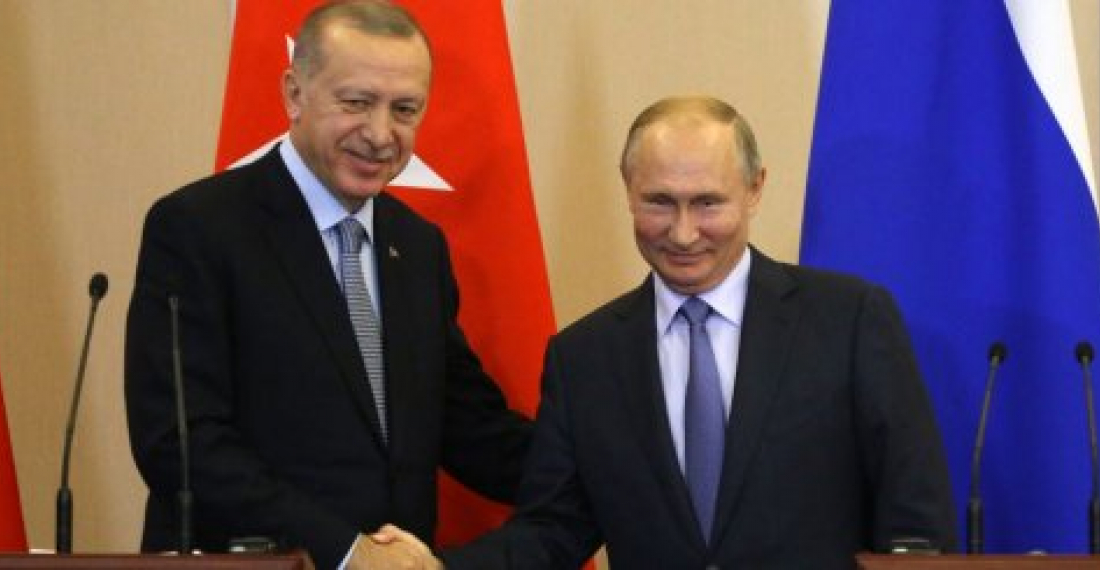
на фото: президент России Путин и президент Турции Эрдоган (архивный снимок)
 

Related articles

Editor's choice
News
Key European countries back Denmark in the face of Trump's continuing insistence on taking over Greenland

Key European countries back Denmark in the face of Trump's continuing insistence on taking over Greenland

 Six major European countries have declared their support to Denmark following renewed insistence by the US that it must have control over Greenland. "Greenland belongs to its people, and only Denmark and Greenland can decide on matters concerning their relations," said the leaders of the UK, France, Germany, Italy, Poland, and Spain, in a joint statement, issued on Tuesday (6 January), together with Denmark. On Sunday, Donald Trump said the US "needed" Greenland - a semi-autonomous region of fellow Nato member Denmark - for security reasons. He has refused to rule out the use of force to take control of the territory, and Danish Prime Minister Mette Frederiksen warned on Monday that an attack by the US would spell the end of Nato. The issue of Greenland's future resurfaced in the wake of the US military intervention in Venezuela, during which elite troops went in to seize the country's President Nicolás Maduro and take him to face drugs and weapons charges in New York. Following the raid, Trump said the US would "run" Venezuela for an unspecified period of time. He also said the US was returning to an 1823 policy of US supremacy in its sphere of influence in the Western hemisphere - and he warned a number of countries the US could turn its attention to them. The US military raid in Venezuela has reignited fears that the US may consider using force to secure control of Greenland. A day after the raid, Katie Miller - the wife of one of Trump's senior aides - posted on social media a map of Greenland in the colours of the American flag, alongside the word "SOON". On Monday, her husband Stephen Miller said it was "the formal position of the US government that Greenland should be part of the US". In an interview with CNN, he also said the US "is the power of Nato. For the US to secure the Arctic region, to protect and defend Nato and Nato interests, obviously Greenland should be part of the US." Asked repeatedly whether the US would rule out using force to annex it, Miller responded: "Nobody's going to fight the US over the future of Greenland." Stressing they were as keen as the US in Arctic security, the seven European signatories of Tuesday's joint statement said this must be achieved by Nato allies, including the US "collectively" - whilst "upholding the principles of the UN Charter, including sovereignty, territorial integrity and the inviolability of borders". Greenland's Prime Minister Jens-Frederik Nielsen welcomed the statement and called for "respectful dialogue". "The dialogue must take place with respect for the fact that Greenland's status is rooted in international law and the principle of territorial integrity," Nielsen said. Trump has claimed that making Greenland part of the US would serve American security interests due to its strategic location and its abundance of minerals critical to high-tech sectors. Greenland, which has a population of 57,000 people, has had extensive self-government since 1979, though defence and foreign policy remain in Danish hands. While most Greenlanders favour eventual independence from Denmark, opinion polls show overwhelming opposition to becoming part of the US.

Popular