Признает ли Сальвадор Южную Осетию?

Латинская Америка продолжает доставлять головную боль правительству Грузии. Присутствие лидеров сепаратистских регионов Абхазии и Южной Осетии Рауфа Хаджимбы и Анатолия Бибилова на инаугурации президента Венесуэлы Николаса Мадуро в Каракасе в четверг было очень негативно оценено в Тбилиси. Венесуэла является одной из немногих стран, которые присоединились к России в признании Абхазии и Южной Осетии в качестве независимых государств. Остальная часть международного сообщества по-прежнему признает две территории как части Грузии. Помимо Венесуэлы, еще одна латиноамериканская страна, Никарагуа, также аналогично признала их.

Теперь же появляется новая проблема. Лидер Южной Осетии Анатолий Бибилов в четверг (10 января) встретился в Каракасе с президентом Сальвадора Сальвадором Санчесом Сереном, который также присутствовал на инаугурации Мадуро. На сайте властей Южной Осетии говорится, что они «обменялись мнениями по актуальным вопросам международной повестки дня, представляющим взаимный интерес, и обсудили перспективы установления двусторонних отношений и потенциал для взаимовыгодного сотрудничества». Серен находится в должности с 1 июня 2014 года, после победы на президентских выборах 2014 года в качестве кандидата от Фронта национального освобождения Фарабундо Марти (ФНОФМ). Ранее он занимал должность вице-президента с 2009 по 2014 год. Он также был партизаном в гражданской войне и является первым экс-мятежником, который стал президентом.

В четверг министерство иностранных дел Грузии выступило с резким заявлением, в котором осудил присутствие абхазских и югоосетинских лидеров в Каракасе, осудило ситуацию с правами человека в правительстве Венесуэлы и заявило, что присутствие лидеров сепаратистов в Каракасе "служило единственной цели легитимизации оккупации Абхазии и Цхинвальского региона и проведенных этнических чисток там. В заявлении добавлено, что международное сообщество едино в поддержке политики суверенитета, территориальной целостности и непризнания Грузии на оккупированных территориях". В заявлении добавлено, что "государства, которые имеют какие-либо контакты с незаконными режимами на оккупированных территориях Грузии, нарушают основополагающие нормы и принципы международного права, которые вызывают их осуждение и резкую критику со стороны всего международного сообщества.

Однако перспектива того, что Сальвадор, возможно, также рассматривает вопрос о признании этих двух образований, и тот факт, что состоялась встреча между руководством Южной Осетии и президентом Сальвадора, несомненно, вызывает в Тбилиси опасения, что Россия, возможно, будет настаивать сильнее, чем раньше, когда его протектораты на Южном Кавказе получили международное признание. Правительство Грузии еще не опубликовало заявление о встрече Бибилова с Череном.

источник: Commonspace.eu

фото: Президент де-факто правительства Южной Осетии с президентом Сальвадора в Каракасе, 1 января 2019 г. (фото любезно предоставлено www.mfa-rso.so)

Related articles

Editor's choice
News
Borrell tells the European Parliament that the situation in Afghanistan was critical, but the EU will remain engaged

Borrell tells the European Parliament that the situation in Afghanistan was critical, but the EU will remain engaged

Borrell underlined that the European Union will make every effort to support the peace process and to remain a committed partner to the Afghan people. "Of course, we will have to take into account the evolving situation, but disengagement is not an option.  We are clear on that: there is no alternative to a negotiated political settlement, through inclusive peace talks.
Editor's choice
News
Germany accuses Russia of cyberattacks and disinformation campaign

Germany accuses Russia of cyberattacks and disinformation campaign

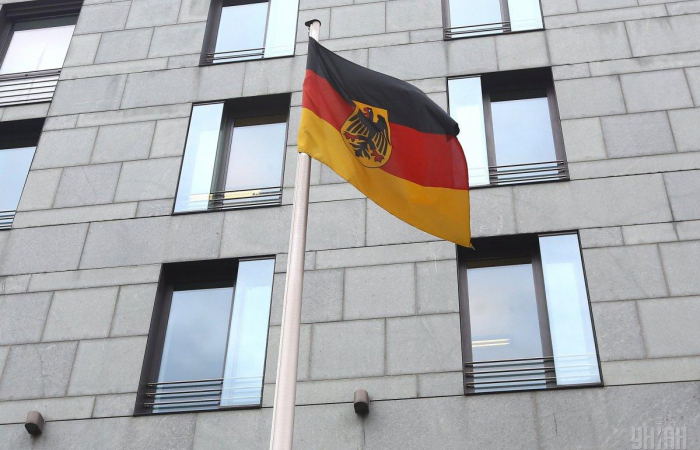
The German government holds Russia responsible for a cyberattack on German air traffic control, and for targeted disinformation campaigns before the last federal election. According to the German Foreign Office in Berlin, the incidents could be clearly attributed to the Russian military intelligence service, the GRU. In response, the Russian ambassador to Berlin was summoned to the Foreign Ministry. "We have been observing a massive increase in threatening hybrid activities by Russia for some time now," a spokesperson for the Foreign Ministry stated. These range from disinformation campaigns and espionage to cyberattacks and sabotage attempts. The aim is to divide society, sow distrust, and undermine confidence in democratic institutions. The spokesperson added that with these actions, Russia is "very concretely threatening our security, not only through its war of aggression against Ukraine, but also here in Germany."  The Foreign Ministry spokesperson explained that the cyberattack on air traffic control in August 2024 was clearly attributed to the hacker collective "APT28," known as "Fancy Bear," and to the responsibility of the Russian military intelligence service, the GRU. Furthermore, it could now be "conclusively stated" that Russia had attempted "to influence and destabilize both the last Federal election and the ongoing internal affairs of the Federal Republic of Germany." There was "absolutely irrefutable evidence" for this". The so-called "Storm 1516" campaign, which has been running since 2024, is allegedly backed by "reliable information" that the Moscow-based think tank "Center for Geopolitical Expertise" is behind it. The Center is also said to be supported by Russian military intelligence. Its primary aim is to influence democratic elections in the West. (Click the image to read more).

Popular

Editor's choice
News
Germany accuses Russia of cyberattacks and disinformation campaign

Germany accuses Russia of cyberattacks and disinformation campaign

The German government holds Russia responsible for a cyberattack on German air traffic control, and for targeted disinformation campaigns before the last federal election. According to the German Foreign Office in Berlin, the incidents could be clearly attributed to the Russian military intelligence service, the GRU. In response, the Russian ambassador to Berlin was summoned to the Foreign Ministry. "We have been observing a massive increase in threatening hybrid activities by Russia for some time now," a spokesperson for the Foreign Ministry stated. These range from disinformation campaigns and espionage to cyberattacks and sabotage attempts. The aim is to divide society, sow distrust, and undermine confidence in democratic institutions. The spokesperson added that with these actions, Russia is "very concretely threatening our security, not only through its war of aggression against Ukraine, but also here in Germany."  The Foreign Ministry spokesperson explained that the cyberattack on air traffic control in August 2024 was clearly attributed to the hacker collective "APT28," known as "Fancy Bear," and to the responsibility of the Russian military intelligence service, the GRU. Furthermore, it could now be "conclusively stated" that Russia had attempted "to influence and destabilize both the last Federal election and the ongoing internal affairs of the Federal Republic of Germany." There was "absolutely irrefutable evidence" for this". The so-called "Storm 1516" campaign, which has been running since 2024, is allegedly backed by "reliable information" that the Moscow-based think tank "Center for Geopolitical Expertise" is behind it. The Center is also said to be supported by Russian military intelligence. Its primary aim is to influence democratic elections in the West. (Click the image to read more).