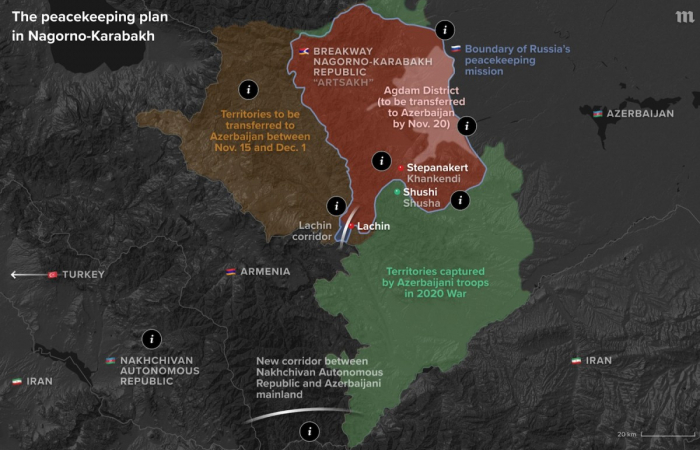
Опубликован отчет с конференции по Нагорному Карабаху, прошедшей в Оксфорде, в ноябре

Представитель LINKS, одного из организаторов мероприятия, сообщил: "Мы очень надеемся, что правительства стран региона, международного сообщества и гражданского общества, изучат эти идеи и примут на вооружение в 2015 по крайней мере, некоторые из них"

Опубликован отчет с конференции "Влияние международных и региональных событий на процесс урегулирования нагорно-карабахского конфликта", которая состоялась в Оксфордском университете 11 ноября. Мероприятие было организовано Центром российских и евразийских исследований (RESC) в колледже Св. Антонио в Оксфорде, и LINKS (Диалог-анализ и исследования). Это произошло в рамках процесса ЕПНК, при поддержке Европейского Союза и собрала более шестидесяти ученых, дипломатов, политиков, аналитиков и активистов НПО из Южного Кавказа и Европы.

Вы можете ознакомиться с отчетом на английском языке пройдя по данной ссылке.

Представитель LINKS, организация базирующаяся в Лондоне, которая инициировала данное событие в Оксфорде, сообщил, что конференция предоставила пространство для различных заинтересованных сторон, чтобы обсудить вопросы, связанные с карабахским конфликтом, а также возможность взглянуть на них в более широком контексте происходящих событий в Европе и Евразии. В мероприятии принял участие недавно назначенный специальный представитель Европейского Союза на Южном Кавказе, посол Герберт Зальбер, который представил откровенный взгляд на текущую ситуацию, и как она воспринимается Европейским Союзом. В мероприятии приняли участие дипломаты из Армении и Азербайджана, Турции и России, а также ученые, эксперты и активисты из региона и Европы. Пресс-секретарь добавил,

"LINKS поддерживает всеобъемлющий подход по урегулированию нагорно-карабахского конфликта. Это требует участия всех заинтересованных сторон. Посещаемость конференции отражает этот подход. Oxford University предоставил правильную среду и атмосферу для зрелого обсуждения сложной темы. Конференция представила ряд очень важных предложений и идей на то как можно продвинуть карабахский мирный процесс. Мы очень надеемся, что правительства в регионе, международное сообщество и гражданское общество изучат эти идеи и примут по крайней мере, некоторые из них на вооружение в 2015 году "

источник: commonspace.eu по материалам LINKS.
Related articles

Editor's choice
News
Aden under curfew, as problem in Yemen's south deepens

Aden under curfew, as problem in Yemen's south deepens

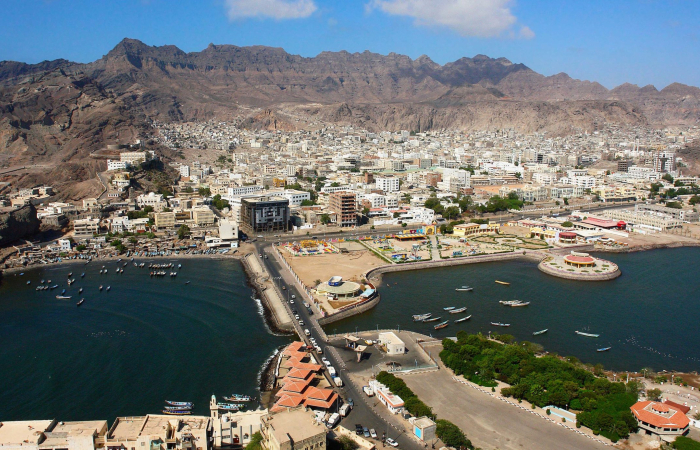
The port city of Aden, in Yemen's south, has been put under curfew, as the rift in the country between  the Saudi led coalition which  backs Yemen's presidential governing council, and the southern forces led by the Southern Transitional Council (STC), deepens. Abdul Rahman al-Mahrami, a member of the Yemeni Presidential Governing Council and commander of the al-Amalik brigades, has ordered a curfew in the temporary capital, Aden, "to maintain security". "A curfew has been imposed throughout Aden Governorate from 9:00 p.m. to 6:00 a.m., in accordance with the instructions of Commander Abdul Rahman al-Mahrami, a member of the Presidential Management Council," the statement said. It states that only security and military personnel, as well as medical and technical teams with approved permits, will be allowed to move in the area during these hours. Yemen's presidential council, which is backed by Saudi Arabia and which already is in a struggle with the Houthi Movement in the north of the country who also occupy the capital Sanaa, two days ago issued an order for the arrest of the head of the Southern Transitional Council (STC),, Aidarous al Zubaidi. The STC have wide support among people in the South, and advocate that South Yemen restores its independence. The coalition warned of further escalation in Aden, long regarded as an STC stronghold, as the Presidential Leadership Council (PLC) chief accused STC leader Aidarous Al Zubaidi of “high treason” and announced the revocation of his membership in the governing body. The moves mark a sharp escalation in tensions within the anti-Houthi camp, despite National Shield Forces, rivals of the STC and former allies, having recently retaken control of Hadhramaut and Mahra from southern fighters. The STC’s takeover of the two regions last month angered Saudi Arabia and contributed to igniting the current internal conflict. (click the picture to read more)

Popular

Editor's choice
News
Aden under curfew, as problem in Yemen's south deepens

Aden under curfew, as problem in Yemen's south deepens

The port city of Aden, in Yemen's south, has been put under curfew, as the rift in the country between  the Saudi led coalition which  backs Yemen's presidential governing council, and the southern forces led by the Southern Transitional Council (STC), deepens. Abdul Rahman al-Mahrami, a member of the Yemeni Presidential Governing Council and commander of the al-Amalik brigades, has ordered a curfew in the temporary capital, Aden, "to maintain security". "A curfew has been imposed throughout Aden Governorate from 9:00 p.m. to 6:00 a.m., in accordance with the instructions of Commander Abdul Rahman al-Mahrami, a member of the Presidential Management Council," the statement said. It states that only security and military personnel, as well as medical and technical teams with approved permits, will be allowed to move in the area during these hours. Yemen's presidential council, which is backed by Saudi Arabia and which already is in a struggle with the Houthi Movement in the north of the country who also occupy the capital Sanaa, two days ago issued an order for the arrest of the head of the Southern Transitional Council (STC),, Aidarous al Zubaidi. The STC have wide support among people in the South, and advocate that South Yemen restores its independence. The coalition warned of further escalation in Aden, long regarded as an STC stronghold, as the Presidential Leadership Council (PLC) chief accused STC leader Aidarous Al Zubaidi of “high treason” and announced the revocation of his membership in the governing body. The moves mark a sharp escalation in tensions within the anti-Houthi camp, despite National Shield Forces, rivals of the STC and former allies, having recently retaken control of Hadhramaut and Mahra from southern fighters. The STC’s takeover of the two regions last month angered Saudi Arabia and contributed to igniting the current internal conflict. (click the picture to read more)