Опросы показывают, что менее 1 из 5 россиян поддерживают внешнюю политику Путина

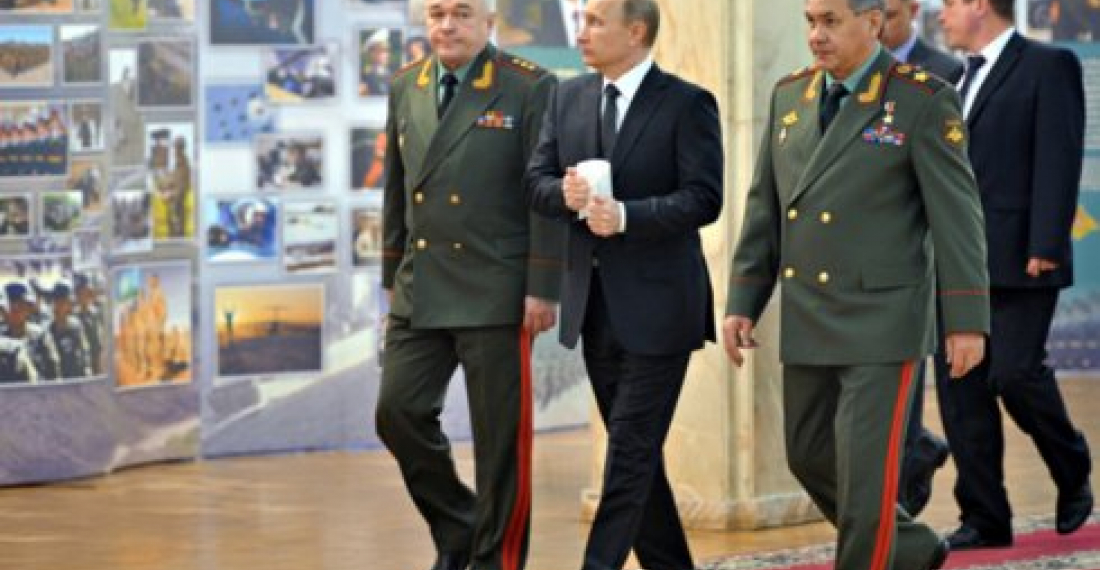
По данным последнего опроса независимого Центра Левада, внешнюю политику президента Владимира Путина поддерживают только 16 процентов россиян в свете изменений внутренней политики, таких как предполагаемый пересмотр пенсионного возраста, сообщает Moscow Times. Российские эксперты считают, что внешняя политическая усталость начала влиять на популярность Путина среди россиян, поскольку люди просят больше сосредоточиться на внутренних проблемах.

Россия оказывает военную помощь сирийскому режиму на протяжении семилетней гражданской войны и обвиняется в поддержке пророссийских сепаратистов в Украине. Большинство россиян поддержали российские авиаудары в Сирии в 2015 году с некоторыми оговорками. Опрос Левада-центра, проведенный в июле 2018 года и опубликованный в четверг, показал, что внешнюю политику Путина поддерживают 16 процентов респондентов из России по сравнению с 22 процентами два года назад.

Денис Волков, социолог Левада-центра, связывает снижение общественной поддержки с усталостью от внешней политики в отношении участия России за рубежом. "Во многих последних опросах люди говорят: хватит всем помогать, надо помочь себе, давайте не будем тратить деньги на другие страны, лучше потратим их внутри страны", - цитирует слова Волкова новостной сайт РБК.

Андрей Колесников из Московского Центра Карнеги говорит, что внутренние проблемы вышли на передний план для россиян из-за планов правительства повысить пенсионный возраст.

"Люди решили, что меньше нужно заниматься военными операциями, а больше тратить деньги на внутренние вопросы», - считает Андрей Колесников.

Когда респондентов спрашивали, что им не нравится в Путине, наиболее распространенными ответами были его связи с крупным бизнесом, связь с коррупцией и его отрешенность от интересов простых россиян.

Почти половина респондентов заявили, что они либо не уверены в своем мнении о президенте, либо любят все в нем.

Опрос отмечает, что общая популярность Путина продолжает расти, даже когда другой опрос Левады нашел доверие президенту, он опустился ниже 50 процентов.

Левада-центр опросил 1600 человек от 18 лет и старше в 136 населенных пунктах в 52 регионах с 19 по 25 июля 2018 года.

источник: commonspace.eu по материалам РБК

Related articles

Editor's choice
News
Borrell tells the European Parliament that the situation in Afghanistan was critical, but the EU will remain engaged

Borrell tells the European Parliament that the situation in Afghanistan was critical, but the EU will remain engaged

Borrell underlined that the European Union will make every effort to support the peace process and to remain a committed partner to the Afghan people. "Of course, we will have to take into account the evolving situation, but disengagement is not an option.  We are clear on that: there is no alternative to a negotiated political settlement, through inclusive peace talks.
Editor's choice
News
Germany accuses Russia of cyberattacks and disinformation campaign

Germany accuses Russia of cyberattacks and disinformation campaign

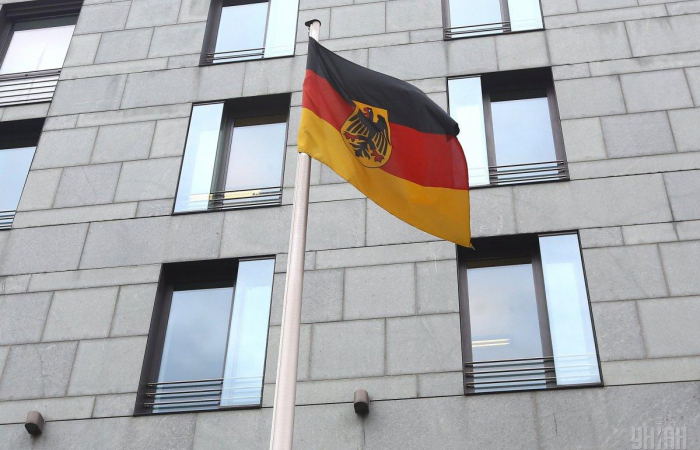
The German government holds Russia responsible for a cyberattack on German air traffic control, and for targeted disinformation campaigns before the last federal election. According to the German Foreign Office in Berlin, the incidents could be clearly attributed to the Russian military intelligence service, the GRU. In response, the Russian ambassador to Berlin was summoned to the Foreign Ministry. "We have been observing a massive increase in threatening hybrid activities by Russia for some time now," a spokesperson for the Foreign Ministry stated. These range from disinformation campaigns and espionage to cyberattacks and sabotage attempts. The aim is to divide society, sow distrust, and undermine confidence in democratic institutions. The spokesperson added that with these actions, Russia is "very concretely threatening our security, not only through its war of aggression against Ukraine, but also here in Germany."  The Foreign Ministry spokesperson explained that the cyberattack on air traffic control in August 2024 was clearly attributed to the hacker collective "APT28," known as "Fancy Bear," and to the responsibility of the Russian military intelligence service, the GRU. Furthermore, it could now be "conclusively stated" that Russia had attempted "to influence and destabilize both the last Federal election and the ongoing internal affairs of the Federal Republic of Germany." There was "absolutely irrefutable evidence" for this". The so-called "Storm 1516" campaign, which has been running since 2024, is allegedly backed by "reliable information" that the Moscow-based think tank "Center for Geopolitical Expertise" is behind it. The Center is also said to be supported by Russian military intelligence. Its primary aim is to influence democratic elections in the West. (Click the image to read more).

Popular

Editor's choice
News
Germany accuses Russia of cyberattacks and disinformation campaign

Germany accuses Russia of cyberattacks and disinformation campaign

The German government holds Russia responsible for a cyberattack on German air traffic control, and for targeted disinformation campaigns before the last federal election. According to the German Foreign Office in Berlin, the incidents could be clearly attributed to the Russian military intelligence service, the GRU. In response, the Russian ambassador to Berlin was summoned to the Foreign Ministry. "We have been observing a massive increase in threatening hybrid activities by Russia for some time now," a spokesperson for the Foreign Ministry stated. These range from disinformation campaigns and espionage to cyberattacks and sabotage attempts. The aim is to divide society, sow distrust, and undermine confidence in democratic institutions. The spokesperson added that with these actions, Russia is "very concretely threatening our security, not only through its war of aggression against Ukraine, but also here in Germany."  The Foreign Ministry spokesperson explained that the cyberattack on air traffic control in August 2024 was clearly attributed to the hacker collective "APT28," known as "Fancy Bear," and to the responsibility of the Russian military intelligence service, the GRU. Furthermore, it could now be "conclusively stated" that Russia had attempted "to influence and destabilize both the last Federal election and the ongoing internal affairs of the Federal Republic of Germany." There was "absolutely irrefutable evidence" for this". The so-called "Storm 1516" campaign, which has been running since 2024, is allegedly backed by "reliable information" that the Moscow-based think tank "Center for Geopolitical Expertise" is behind it. The Center is also said to be supported by Russian military intelligence. Its primary aim is to influence democratic elections in the West. (Click the image to read more).