


«Мы не допустим, чтобы выборы использовались в качестве предлога для дестабилизации обстановки в стране"

Грузинское правительство не позволит никому использовать предстоящие парламентские выборы для дестабилизации в стране. Об этом государственный министр Грузии по вопросам европейской и евро-атлантической интеграции Давид Бакрадзе заявил во вторник (27 сентября) во время обсуждений политики в отношении Грузии, состоявшихся в Европейском парламенте.

Бакрадзе сообщил собравшимся в Брюсселе более ста членам Европарламента, чиновникам ЕС, дипломатам и представителям гражданского общества и бизнес-сообщества, что для Грузии выборы больше не являются проблемой, а скорее возможностью. Он сказал, что, то как пройдет избирательная кампания, и само голосование столь же важно, как результаты самих выборов.

По словам министра Грузия должна продолжить укреплять демократию, а демократия должна стать нормой в стране. Каждая политическая партия должна внести свой вклад в этот процесс, и консолидированная демократия это уже не та система, где все действует по принципу победителю достается все. Победивши несет ответственность за всех граждан, а не только за своих собственных сторонников. По словам Давида Бакрадзе, для того, чтобы построить мощную страну грузины в первую очередь должны уважать друг друга, и этому надо учится в процессе практической деятельности. "8 октября избиратели в Грузии определят, кто будет формировать правительство и реализовывать политику. Но, само уважение определит насколько мы сильны как европейская демократия", сказал госминистр.

Бакрадзе перечислил ряд ключевых реформ, которые правительство осуществило с 2012 года. Страна перешла от периода демократического перехода к периоду демократической консолидации. Это продолжается, несмотря на то, что правительство постоянную сталкивается с пропагандистской войной антизападных сил, которые пытаются убедить грузинский народ, что реформы не увенчались успехом. "Они не понимают", сказал Бакрадзе, "что мы на самом деле верим в эти реформы".

Государственный министр Грузии также коснулся социально-экономической политики правительства. Он сослался на бесплатную и всеобъемлющую систему здравоохранения, которая дала грузинам бесплатную медицинскую помощь в первые более чем за двадцать лет. Правительство реализует новые инициативы для того, чтобы сделать страну более привлекательной для инвестиций - введение принципа одного стоп окна для инвесторов по вопросам связанных с государством. Также постоянные усилия прикладываются в упрощении налоговой системы страны. Грузинский министр отметил, что Грузия не является совершенной страной, и пока еще необходимо проделать много работы во всех секторах, но достижения последних лет реальны, и они подтверждаются различными международными организациями, которые оценили прогресс страны. "Являясь в настоящее время хранителями нашей страны, мы берем на себя ответственность за ее будущее", сказал Давид Бакрадзе.

После своей речи, грузинский министр ответил на вопросы нескольких депутатов Европарламента и активистов гражданского общества, принимавших участие в мероприятии.

Обсуждения по вопросам политики на тему «Грузия: Признание достижений, консолидация реформ и решение будущих задач и стремлений» был организован Центром европейской политики и LINKS (Диалог, анализ и исследованиz) под патронажем Группы S и D в Европейском парламенте. Председателем мероприятия был Андрей Мамикинс, депутат из Латвии.

источник: commonspace.eu

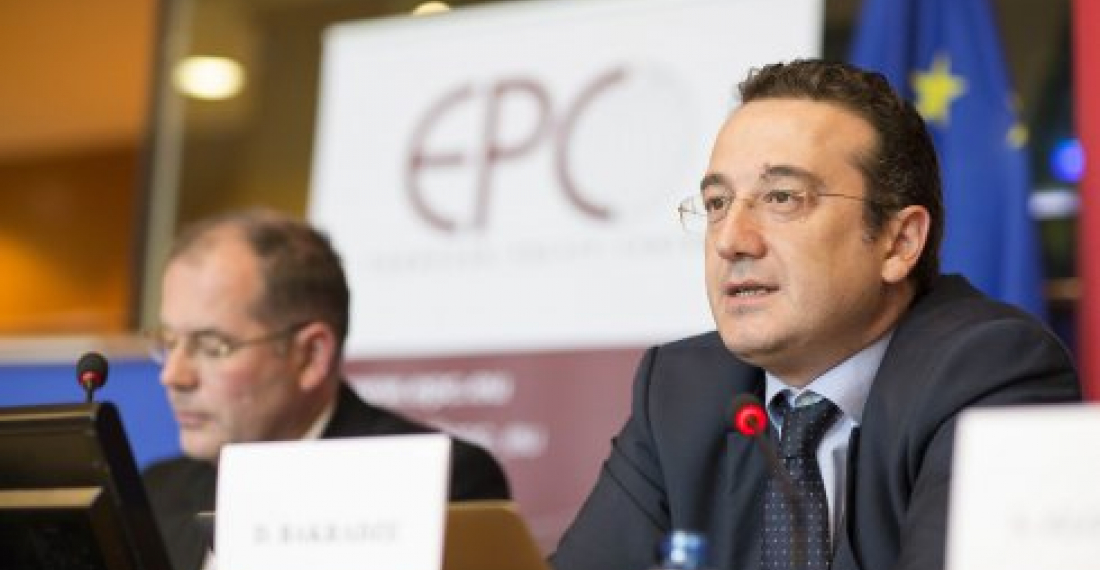
фото: госминистр Грузии Давид Бакрадзе в Европейском парламенте во вторник, 27 сентября 2016 года.


 

Related articles

Editor's choice
News
Council of Europe launches new International Claims Commission for Ukraine

Council of Europe launches new International Claims Commission for Ukraine

Thirty-four countries and the European Union have signed a new convention establishing an International Claims Commission for Ukraine at a diplomatic conference co-hosted by the 46-nation Council of Europe and the Netherlands in the Hague. The diplomatic conference was attended by leaders and high-level representatives from over 50 states, including the President of Ukraine, Volodymyr Zelenskyy, the President of the Republic of Moldova, Maia Sandu, and the Prime Minister of the Netherlands, Dick Schoof.  “Today marks a major step forward in ensuring accountability for Ukraine. The International Claims Commission represents justice and hope for tens of thousands of victims—our determination that those who have suffered will not be forgotten. I call for quick ratifications so we can get the commission rapidly up and running for the people of Ukraine,” said Council of Europe Secretary General Alain Berset. Ukrainian President Volodymyr Zelenskyy said: “We expect that every mechanism for compensation from the Register of Damage and Claims Commission to the actual payments – will start working and receive strong and sufficient international support, so that people can truly feel that any kind of damage caused by the war can be compensated. This war, and Russia’s responsibility for it, MUST become a clear example – so that others learn not to choose aggression.” “Accountability is about creating the conditions for peace that endures. And therefore, accountability is a condition of security – today and for the future. But accountability is not only about Ukraine. And it is not only about one aggressor and one victim. Accountability is about Europe. About every country in Europe. It is about whether Europe, as a whole, is willing to defend its peace,” said Maia Sandu, President of the Republic of Moldova, which currently holds the Presidency of the Council of Europe’s Committee of Ministers. The Prime Minister of the Netherlands, Dick Schoof, said: “Every day Russia is deliberately bombarding homes, destroying businesses and damaging infrastructure in Ukraine. Russia must compensate Ukraine for the damage caused. That is why we have launched the International Claims Commission for Ukraine and we are honoured to host it.” The International Claims Commission will be the second part of a comprehensive compensation mechanism related to Russia’s war of aggression, building on the existing Register of Damage for Ukraine. The claims commission will be established within the framework of the Council of Europe and will also be open to other countries. The Register of Damage for Ukraine, created in 2023, collects and records compensation claims submitted by individuals, organisations and public bodies in Ukraine. Forty-four states and the European Union have so far joined the Register, which has already received 86,000 claims. The International Claims Commission will review, assess and decide upon claims submitted to the Register of Damage for Ukraine and determine the amount of compensation, if any, which is due in each case. The convention establishing the commission will enter into force once it has been ratified by 25 signatories, as long as sufficient funds have been secured to support its initial work.

Popular

Editor's choice
News
Council of Europe launches new International Claims Commission for Ukraine

Council of Europe launches new International Claims Commission for Ukraine

Thirty-four countries and the European Union have signed a new convention establishing an International Claims Commission for Ukraine at a diplomatic conference co-hosted by the 46-nation Council of Europe and the Netherlands in the Hague. The diplomatic conference was attended by leaders and high-level representatives from over 50 states, including the President of Ukraine, Volodymyr Zelenskyy, the President of the Republic of Moldova, Maia Sandu, and the Prime Minister of the Netherlands, Dick Schoof.  “Today marks a major step forward in ensuring accountability for Ukraine. The International Claims Commission represents justice and hope for tens of thousands of victims—our determination that those who have suffered will not be forgotten. I call for quick ratifications so we can get the commission rapidly up and running for the people of Ukraine,” said Council of Europe Secretary General Alain Berset. Ukrainian President Volodymyr Zelenskyy said: “We expect that every mechanism for compensation from the Register of Damage and Claims Commission to the actual payments – will start working and receive strong and sufficient international support, so that people can truly feel that any kind of damage caused by the war can be compensated. This war, and Russia’s responsibility for it, MUST become a clear example – so that others learn not to choose aggression.” “Accountability is about creating the conditions for peace that endures. And therefore, accountability is a condition of security – today and for the future. But accountability is not only about Ukraine. And it is not only about one aggressor and one victim. Accountability is about Europe. About every country in Europe. It is about whether Europe, as a whole, is willing to defend its peace,” said Maia Sandu, President of the Republic of Moldova, which currently holds the Presidency of the Council of Europe’s Committee of Ministers. The Prime Minister of the Netherlands, Dick Schoof, said: “Every day Russia is deliberately bombarding homes, destroying businesses and damaging infrastructure in Ukraine. Russia must compensate Ukraine for the damage caused. That is why we have launched the International Claims Commission for Ukraine and we are honoured to host it.” The International Claims Commission will be the second part of a comprehensive compensation mechanism related to Russia’s war of aggression, building on the existing Register of Damage for Ukraine. The claims commission will be established within the framework of the Council of Europe and will also be open to other countries. The Register of Damage for Ukraine, created in 2023, collects and records compensation claims submitted by individuals, organisations and public bodies in Ukraine. Forty-four states and the European Union have so far joined the Register, which has already received 86,000 claims. The International Claims Commission will review, assess and decide upon claims submitted to the Register of Damage for Ukraine and determine the amount of compensation, if any, which is due in each case. The convention establishing the commission will enter into force once it has been ratified by 25 signatories, as long as sufficient funds have been secured to support its initial work.

