


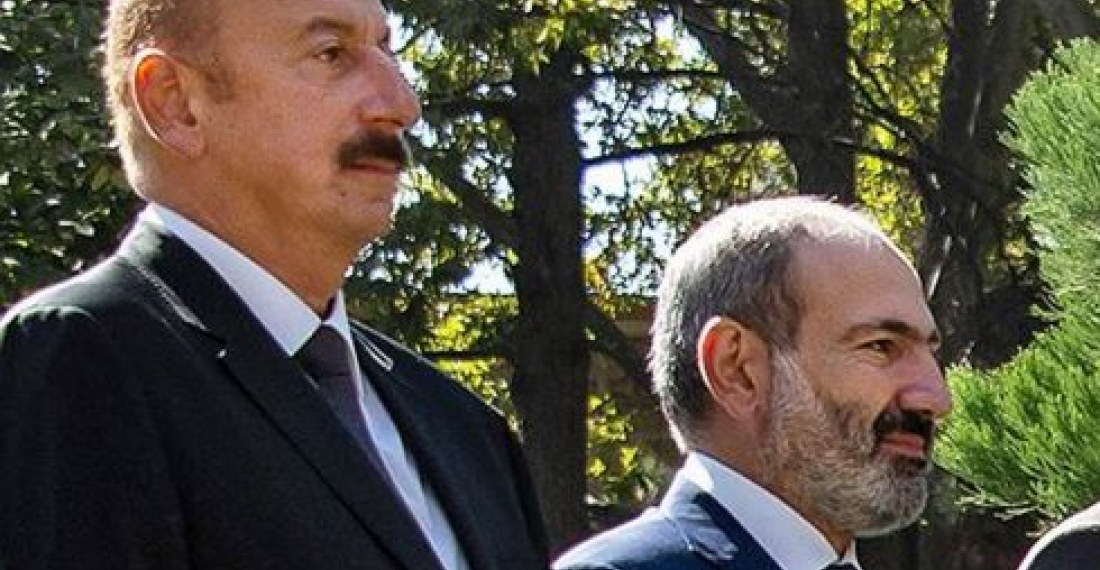
Международное сообщество пытается сосредоточить внимание Армении и Азербайджана на урегулировании конфликта

Это была трудная неделя для процесса урегулирования нагорно-карабахского конфликта. После периода оптимизма в результате трех неформальных встреч, которые президент Азербайджана Ильхам Алиев провел с премьер-министром Армении Никол Пашиняном после его избрания в прошлом году, в последние дни обе стороны вернулись к дипломатии мегафонов для отправки сообщений друг другу через жестко сформулированные заявления. Лидеры и официальные лица Европейского союза, которые встречались с Пашиняном и Алиевым по отдельности в течение недели, настоятельно призвали их сосредоточиться на попытках найти мирное урегулирование конфликта.

Похожий материал:

Ильхам Алиев обсудил карабахский конфликт с посланником ЕС

Федерика Могерини призывает Пашиняна участвовать в переговорах по Карабаху без предварительных условий

В субботу (9 марта) сопредседатели Минской группы ОБСЕ - дипломаты, представляющие Францию, Россию и Соединенные Штаты, выступили с необычно длинным заявлением, в котором призвали стороны по-прежнему сосредоточиться на предстоящем саммите двух лидеров под своей эгидой и подчеркнули "важность поддержания среды, способствующей продуктивным дискуссиям".

В заявлении сказано:

В своем заявлении от 1 марта сопредседатели Минской группы ОБСЕ (Игорь Попов от Российской Федерации, Стефан Висконти от Франции и Эндрю Шофер от Соединенных Штатов Америки) приветствовали приверженность президента Азербайджана Ильхама Алиева и премьер-министра Армении Никол Пашиняна встретится скоро под эгидой сопредседателей. Сопредседатели, тесно сотрудничая с двумя министрами иностранных дел, готовились к этой важной встрече лидеров, которая станет первым прямым контактом между двумя лидерами, проведенным под эгидой сопредседателей.

Сопредседатели подчеркивают важность поддержания обстановки, способствующей продуктивным дискуссиям, и позитивно оценивают продолжающееся отсутствие жертв на передовой. Сопредседатели также приветствуют некоторые первоначальные шаги, предпринимаемые в регионе для подготовки населения к миру, и призывают стороны активизировать такие усилия. В то же время сопредседатели подтверждают исключительную важность снижения напряженности и минимизации подстрекательской риторики. В этом контексте сопредседатели настоятельно призывают стороны воздерживаться от заявлений и действий, предполагающих существенные изменения ситуации на местах, предвосхищающих исход или создающих условия для будущих переговоров, требующих односторонних изменений в формате без согласия другой стороны или ссылки на готовность возобновить активные боевые действия.

Ссылаясь на некоторые противоречивые недавние публичные заявления по существу процесса Минской группы, сопредседатели подтверждают, что справедливое и прочное урегулирование должно основываться на основных принципах Хельсинкского заключительного акта, включая, в частности, неприменение силы, территориальной целостности и равных прав и самоопределения народов. В него также должны быть включены дополнительные элементы, предложенные президентами стран-сопредседателей в 2009-2012 годах, в том числе: возвращение территорий, окружающих Нагорный Карабах, под контроль Азербайджана; временный статус Нагорного Карабаха, обеспечивающий гарантии безопасности и самоуправления; коридор, соединяющий Армению с Нагорным Карабахом; будущее определение окончательного правового статуса Нагорного Карабаха посредством юридически обязательного выражения воли; право всех внутренне перемещенных лиц и беженцев на возвращение в свои прежние места жительства; и международные гарантии безопасности, которые будут включать миротворческую операцию.

Сопредседатели подчеркивают свою точку зрения о том, что эти принципы и элементы должны быть основой любого справедливого и прочного урегулирования конфликта и должны рассматриваться как единое целое. Любая попытка поставить одни принципы или элементы над другими сделает невозможным достижение сбалансированного решения.

Сопредседатели готовы встретиться с лидерами и министрами иностранных дел Армении и Азербайджана в любое время и призывают лидеров возобновить переговоры в духе доброй воли при первой же возможности. Непрерывный и прямой диалог между Баку и Ереваном, проводимый под эгидой сопредседателей, остается важным элементом укрепления доверия и продвижения мирного процесса. Сопредседатели также продолжат в соответствующих случаях обсуждать соответствующие вопросы с заинтересованными сторонами, непосредственно затронутыми конфликтом, признавая, что для успеха любого согласованного решения необходимо учитывать их взгляды и опасения.

Сопредседатели подчеркивают, что в соответствии со своим мандатом они по-прежнему полностью привержены оказанию сторонам помощи в поиске мирного решения конфликта. Сопредседатели также полностью поддерживают беспристрастную и критическую работу по мониторингу, проводимую Личным представителем Действующего председателя ОБСЕ и его командой.

источник: commonspace.eu

 

Related articles

Editor's choice
News
Germany accuses Russia of cyberattacks and disinformation campaign

Germany accuses Russia of cyberattacks and disinformation campaign

The German government holds Russia responsible for a cyberattack on German air traffic control, and for targeted disinformation campaigns before the last federal election. According to the German Foreign Office in Berlin, the incidents could be clearly attributed to the Russian military intelligence service, the GRU. In response, the Russian ambassador to Berlin was summoned to the Foreign Ministry. "We have been observing a massive increase in threatening hybrid activities by Russia for some time now," a spokesperson for the Foreign Ministry stated. These range from disinformation campaigns and espionage to cyberattacks and sabotage attempts. The aim is to divide society, sow distrust, and undermine confidence in democratic institutions. The spokesperson added that with these actions, Russia is "very concretely threatening our security, not only through its war of aggression against Ukraine, but also here in Germany."  The Foreign Ministry spokesperson explained that the cyberattack on air traffic control in August 2024 was clearly attributed to the hacker collective "APT28," known as "Fancy Bear," and to the responsibility of the Russian military intelligence service, the GRU. Furthermore, it could now be "conclusively stated" that Russia had attempted "to influence and destabilize both the last Federal election and the ongoing internal affairs of the Federal Republic of Germany." There was "absolutely irrefutable evidence" for this". The so-called "Storm 1516" campaign, which has been running since 2024, is allegedly backed by "reliable information" that the Moscow-based think tank "Center for Geopolitical Expertise" is behind it. The Center is also said to be supported by Russian military intelligence. Its primary aim is to influence democratic elections in the West. (Click the image to read more).
Editor's choice
News
NATO Chief says war is on Europe's doorstep, and warns against complacency

NATO Chief says war is on Europe's doorstep, and warns against complacency

Russia could attack a NATO country within the next five years, the Secretary General of NATO, Mark Rutte, said in a stark new warning. "NATO's own defences can hold for now," Rutte warned in Berlin, but conflict was "next door" to Europe, and he feared "too many are quietly complacent, and too many don't feel the urgency, too many believe that time is on our side. "Russia is already escalating its covert campaign against our societies," Rutte said in a speech in Germany. "We must be prepared for the scale of war our grandparents or great-grandparents endured." Earlier this month, Russia's President Vladimir Putin said his country was not planning to go to war with Europe, but it was ready "right now" if Europe wanted to - or started a war. But similar reassurances were given by Moscow in 2022, just before 200,000 Russian troops crossed the border and invaded Ukraine. Putin has accused European countries of hindering US efforts to bring peace in Ukraine - a reference to the role Ukraine's European allies have recently played in trying to change a US peace plan to end the war, whose initial draft was seen as favouring Russia. But Putin was not sincere, Nato's secretary-general said in the German capital, Berlin. Supporting Ukraine, he added, was a guarantee for European security. "Just imagine if Putin got his way; Ukraine under the boot of Russian occupation, his forces pressing against a longer border with Nato, and the significantly increased risk of an armed attack against us." Russia's economy has been on a war footing for more than three years now - its factories churn out ever more supplies of drones, missiles and artillery shells. According to a recent report by the Kiel Institute for the World Economy, Russia has been producing each month around 150 tanks, 550 infantry fighting vehicles, 120 Lancet drones and more than 50 artillery pieces. The UK, and most of its Western allies, are simply not anywhere near this point. Analysts say it would take years for Western Europe's factories to come close to matching Russia's mass-production of weapons. "Allied defence spending and production must rise rapidly, our armed forces must have what they need to keep us safe," the Nato chief said.

Popular

Editor's choice
News
Germany accuses Russia of cyberattacks and disinformation campaign

Germany accuses Russia of cyberattacks and disinformation campaign

The German government holds Russia responsible for a cyberattack on German air traffic control, and for targeted disinformation campaigns before the last federal election. According to the German Foreign Office in Berlin, the incidents could be clearly attributed to the Russian military intelligence service, the GRU. In response, the Russian ambassador to Berlin was summoned to the Foreign Ministry. "We have been observing a massive increase in threatening hybrid activities by Russia for some time now," a spokesperson for the Foreign Ministry stated. These range from disinformation campaigns and espionage to cyberattacks and sabotage attempts. The aim is to divide society, sow distrust, and undermine confidence in democratic institutions. The spokesperson added that with these actions, Russia is "very concretely threatening our security, not only through its war of aggression against Ukraine, but also here in Germany."  The Foreign Ministry spokesperson explained that the cyberattack on air traffic control in August 2024 was clearly attributed to the hacker collective "APT28," known as "Fancy Bear," and to the responsibility of the Russian military intelligence service, the GRU. Furthermore, it could now be "conclusively stated" that Russia had attempted "to influence and destabilize both the last Federal election and the ongoing internal affairs of the Federal Republic of Germany." There was "absolutely irrefutable evidence" for this". The so-called "Storm 1516" campaign, which has been running since 2024, is allegedly backed by "reliable information" that the Moscow-based think tank "Center for Geopolitical Expertise" is behind it. The Center is also said to be supported by Russian military intelligence. Its primary aim is to influence democratic elections in the West. (Click the image to read more).


