Лавров: И Армения, и Азербайджан искренне заинтересованы в решении карабахского конфликта

Министр иностранных дел России Сергей Лавров высказался по поводу процесса урегулирования конфликта вокруг Нагорного Карабаха, выступая перед студентами и преподавателями Московского государственного института международных отношений (МГИМО) во вторник (1 сентября). В своих комментариях Лавров сказал, что руководство обеих стран искренне заинтересовано в достижении окончательной договоренности по давно оспариваемому региону, несмотря на пограничные столкновения между Арменией и Азербайджаном в этом году. Комментарии Лаврова последовали за вчерашними телефонными разговорами с министрами иностранных дел Армении и Азербайджана.

Отвечая на недавние призывы изменить или отказаться от нынешнего формата мирных переговоров, Лавров заявил: "Это будет большой ошибкой и убеждены в том, что наработанное за эти годы должно оставаться в основе наших дальнейших усилий". Министр выразил поддержку России существующим документам мирного урегулирования на основе Мадридских принципов, заявив: "Там сформулированы принципы, которые отражают и принципы Устава ООН, и принципы Хельсинкского заключительного акта. И там сформулированы те конкретные параметры, которые необходимо согласовать для того, чтобы это урегулирование состоялось". Не вдаваясь в подробности, он добавил: "В документах по решению карабахского конфликта есть развязка, которая позволит обеспечить справедливость для азербайджанских и армянских представителей."

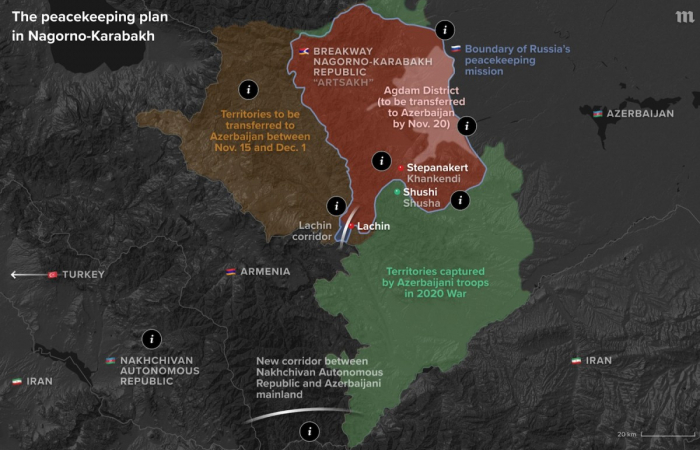
Основные принципы урегулирования конфликта вокруг Нагорного Карабаха (Мадридские принципы) были представлены посредниками Минской группы ОБСЕ в Мадриде в 2007 году и неофициально обнародованы странами-сопредседателями через некоторое время. Основываясь на принципах Хельсинкского Заключительного акта о неприменении силы, территориальной целостности, равных правах и самоопределении народов, он призывает, в частности: 1) к возвращению территорий, окружающих Нагорный Карабах, под контроль Азербайджана; 2) временный статус Нагорного Карабаха, обеспечивающий гарантии безопасности и самоуправления; 3) коридор, связывающий Армению с Нагорным Карабахом; 4) будущее определение окончательного правового статуса Нагорного Карабаха посредством юридически обязательного волеизъявления; 5) право всех вынужденных переселенцев и беженцев на возвращение в места своего прежнего проживания; 6) международные гарантии безопасности, включая миротворческую операцию.

источники: Commonspace.eu, Вестник Кавказа, ТАСС, Tert.am и другие агентства

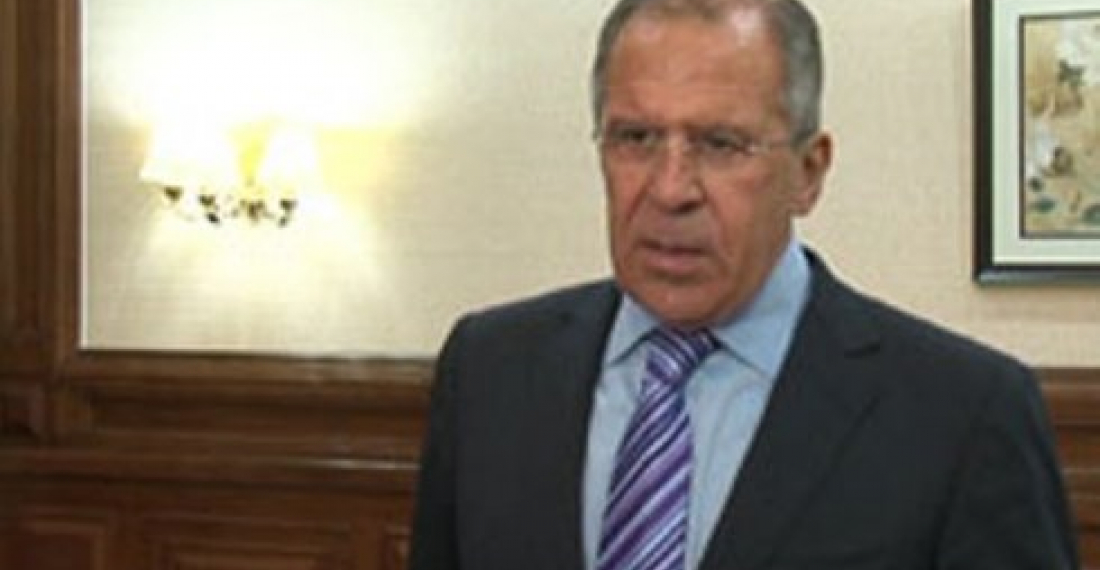
фото: Сергей Лавров (архивное фото)
Related articles

Editor's choice
News
Aden under curfew, as problem in Yemen's south deepens

Aden under curfew, as problem in Yemen's south deepens

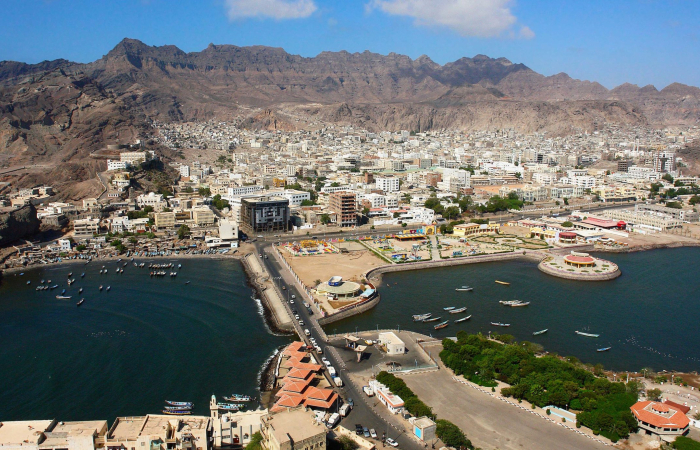
The port city of Aden, in Yemen's south, has been put under curfew, as the rift in the country between  the Saudi led coalition which  backs Yemen's presidential governing council, and the southern forces led by the Southern Transitional Council (STC), deepens. Abdul Rahman al-Mahrami, a member of the Yemeni Presidential Governing Council and commander of the al-Amalik brigades, has ordered a curfew in the temporary capital, Aden, "to maintain security". "A curfew has been imposed throughout Aden Governorate from 9:00 p.m. to 6:00 a.m., in accordance with the instructions of Commander Abdul Rahman al-Mahrami, a member of the Presidential Management Council," the statement said. It states that only security and military personnel, as well as medical and technical teams with approved permits, will be allowed to move in the area during these hours. Yemen's presidential council, which is backed by Saudi Arabia and which already is in a struggle with the Houthi Movement in the north of the country who also occupy the capital Sanaa, two days ago issued an order for the arrest of the head of the Southern Transitional Council (STC),, Aidarous al Zubaidi. The STC have wide support among people in the South, and advocate that South Yemen restores its independence. The coalition warned of further escalation in Aden, long regarded as an STC stronghold, as the Presidential Leadership Council (PLC) chief accused STC leader Aidarous Al Zubaidi of “high treason” and announced the revocation of his membership in the governing body. The moves mark a sharp escalation in tensions within the anti-Houthi camp, despite National Shield Forces, rivals of the STC and former allies, having recently retaken control of Hadhramaut and Mahra from southern fighters. The STC’s takeover of the two regions last month angered Saudi Arabia and contributed to igniting the current internal conflict. (click the picture to read more)

Popular

Editor's choice
News
Aden under curfew, as problem in Yemen's south deepens

Aden under curfew, as problem in Yemen's south deepens

The port city of Aden, in Yemen's south, has been put under curfew, as the rift in the country between  the Saudi led coalition which  backs Yemen's presidential governing council, and the southern forces led by the Southern Transitional Council (STC), deepens. Abdul Rahman al-Mahrami, a member of the Yemeni Presidential Governing Council and commander of the al-Amalik brigades, has ordered a curfew in the temporary capital, Aden, "to maintain security". "A curfew has been imposed throughout Aden Governorate from 9:00 p.m. to 6:00 a.m., in accordance with the instructions of Commander Abdul Rahman al-Mahrami, a member of the Presidential Management Council," the statement said. It states that only security and military personnel, as well as medical and technical teams with approved permits, will be allowed to move in the area during these hours. Yemen's presidential council, which is backed by Saudi Arabia and which already is in a struggle with the Houthi Movement in the north of the country who also occupy the capital Sanaa, two days ago issued an order for the arrest of the head of the Southern Transitional Council (STC),, Aidarous al Zubaidi. The STC have wide support among people in the South, and advocate that South Yemen restores its independence. The coalition warned of further escalation in Aden, long regarded as an STC stronghold, as the Presidential Leadership Council (PLC) chief accused STC leader Aidarous Al Zubaidi of “high treason” and announced the revocation of his membership in the governing body. The moves mark a sharp escalation in tensions within the anti-Houthi camp, despite National Shield Forces, rivals of the STC and former allies, having recently retaken control of Hadhramaut and Mahra from southern fighters. The STC’s takeover of the two regions last month angered Saudi Arabia and contributed to igniting the current internal conflict. (click the picture to read more)