Каспий - это "ни море, ни озеро"

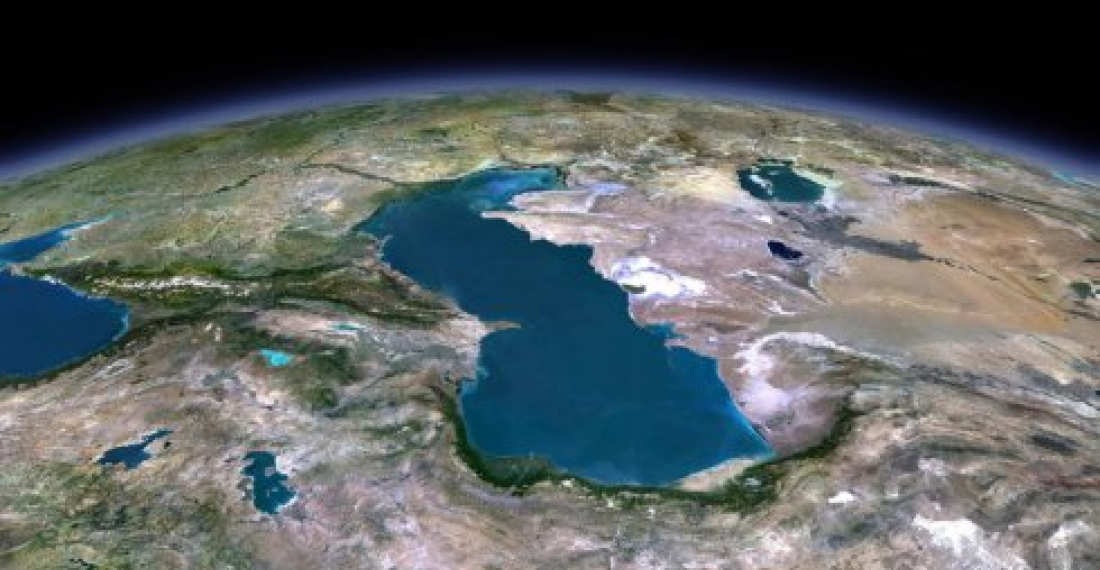
После двадцати лет обсуждений прикаспийские государства соберутся в Актау в воскресенье (12 августа), чтобы подписать новую конвенцию. "Ни то и ни другое. У Каспийского моря будет особый правовой статус. Это объясняется набором специфических географических, гидрологических и иных характеристик. Оно представляет собой внутриконтинентальный водоем, который не имеет прямой связи с Мировым океаном, и поэтому не может рассматриваться в качестве моря. Но одновременно в силу своих размеров, состава воды и особенностей дна Каспий не может считаться и озером. В этой связи к Каспийскому морю не применимы как положения Конвенции ООН по морскому праву 1982 года, так и принципы, используемые в отношении трансграничных озер: на секторы разграничивается только его дно, суверенитет в отношении водной толщи устанавливается на основании других принципов." Об этом заявил заместитель министра иностранных дел России Григорий Карасин в интервью в среду газете «Коммерсант».

Отвечая на вопрос о том, как будет проводиться разграничение на дне Каспийского моря, Карасин сказал, что "Прикаспийские государства уже давно нашли пути урегулирования подобного рода вопросов между соседями - на двусторонней и трехсторонней основе". "На мой взгляд, те соглашения, которые ранее заключили между собой Россия, Казахстан и Азербайджан, а также Казахстан и Туркменистан, могут послужить примером и при делимитации в южной части моря. При этом Конвенция четко фиксирует цели такого разграничения исключительно для недропользования и обязывает стороны проводить его путем переговоров на основе международного права. Прибрежные государства при завершении делимитации получают полную юрисдикцию над ресурсами своего участка дна", сказал заместитель министра иностранных дел России.

Прикаспийскими государствами являются Азербайджан, Иран, Казахстан, Россия и Туркменистан. Пять стран ведут переговоры о правовом статусе Каспия на протяжении последних двадцати лет. Ставки высоки, так как Каспий богат минеральными ресурсами и потенциально является альтернативным путем для выхода энергоресурсов Центральной Азии на мировые рынки в обход России. Обсуждение вопроса о том, является ли Каспий морем или озером, потенциально может иметь последствия как для разделения его ресурсов, так и для доступа к ним третьих стран. Согласно Карасину, формулой, по которой было достигнуто соглашение, является "взаимное уважение интересов, помноженное на чуткость к партнеру по переговорам". Но по мнению многих наблюдателей, проблемы кроются в деталях, и любая работа над соглашением на практике будет сложной.

источник: commonspace.eu
Related articles

Editor's choice
News
Borrell tells the European Parliament that the situation in Afghanistan was critical, but the EU will remain engaged

Borrell tells the European Parliament that the situation in Afghanistan was critical, but the EU will remain engaged

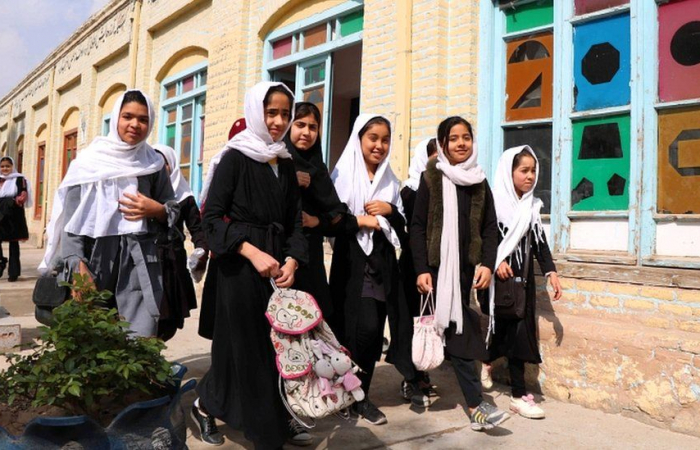
Borrell underlined that the European Union will make every effort to support the peace process and to remain a committed partner to the Afghan people. "Of course, we will have to take into account the evolving situation, but disengagement is not an option.  We are clear on that: there is no alternative to a negotiated political settlement, through inclusive peace talks.
Editor's choice
News
NATO Chief says war is on Europe's doorstep, and warns against complacency

NATO Chief says war is on Europe's doorstep, and warns against complacency

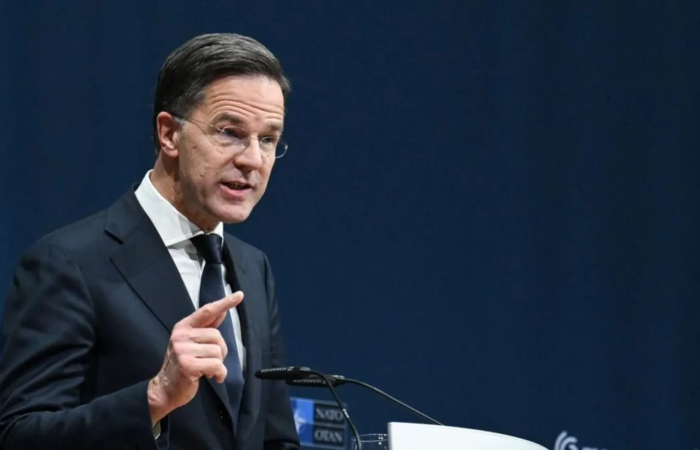
Russia could attack a NATO country within the next five years, the Secretary General of NATO, Mark Rutte, said in a stark new warning. "NATO's own defences can hold for now," Rutte warned in Berlin, but conflict was "next door" to Europe, and he feared "too many are quietly complacent, and too many don't feel the urgency, too many believe that time is on our side. "Russia is already escalating its covert campaign against our societies," Rutte said in a speech in Germany. "We must be prepared for the scale of war our grandparents or great-grandparents endured." Earlier this month, Russia's President Vladimir Putin said his country was not planning to go to war with Europe, but it was ready "right now" if Europe wanted to - or started a war. But similar reassurances were given by Moscow in 2022, just before 200,000 Russian troops crossed the border and invaded Ukraine. Putin has accused European countries of hindering US efforts to bring peace in Ukraine - a reference to the role Ukraine's European allies have recently played in trying to change a US peace plan to end the war, whose initial draft was seen as favouring Russia. But Putin was not sincere, Nato's secretary-general said in the German capital, Berlin. Supporting Ukraine, he added, was a guarantee for European security. "Just imagine if Putin got his way; Ukraine under the boot of Russian occupation, his forces pressing against a longer border with Nato, and the significantly increased risk of an armed attack against us." Russia's economy has been on a war footing for more than three years now - its factories churn out ever more supplies of drones, missiles and artillery shells. According to a recent report by the Kiel Institute for the World Economy, Russia has been producing each month around 150 tanks, 550 infantry fighting vehicles, 120 Lancet drones and more than 50 artillery pieces. The UK, and most of its Western allies, are simply not anywhere near this point. Analysts say it would take years for Western Europe's factories to come close to matching Russia's mass-production of weapons. "Allied defence spending and production must rise rapidly, our armed forces must have what they need to keep us safe," the Nato chief said.

Popular

Editor's choice
News
NATO Chief says war is on Europe's doorstep, and warns against complacency

NATO Chief says war is on Europe's doorstep, and warns against complacency

Russia could attack a NATO country within the next five years, the Secretary General of NATO, Mark Rutte, said in a stark new warning. "NATO's own defences can hold for now," Rutte warned in Berlin, but conflict was "next door" to Europe, and he feared "too many are quietly complacent, and too many don't feel the urgency, too many believe that time is on our side. "Russia is already escalating its covert campaign against our societies," Rutte said in a speech in Germany. "We must be prepared for the scale of war our grandparents or great-grandparents endured." Earlier this month, Russia's President Vladimir Putin said his country was not planning to go to war with Europe, but it was ready "right now" if Europe wanted to - or started a war. But similar reassurances were given by Moscow in 2022, just before 200,000 Russian troops crossed the border and invaded Ukraine. Putin has accused European countries of hindering US efforts to bring peace in Ukraine - a reference to the role Ukraine's European allies have recently played in trying to change a US peace plan to end the war, whose initial draft was seen as favouring Russia. But Putin was not sincere, Nato's secretary-general said in the German capital, Berlin. Supporting Ukraine, he added, was a guarantee for European security. "Just imagine if Putin got his way; Ukraine under the boot of Russian occupation, his forces pressing against a longer border with Nato, and the significantly increased risk of an armed attack against us." Russia's economy has been on a war footing for more than three years now - its factories churn out ever more supplies of drones, missiles and artillery shells. According to a recent report by the Kiel Institute for the World Economy, Russia has been producing each month around 150 tanks, 550 infantry fighting vehicles, 120 Lancet drones and more than 50 artillery pieces. The UK, and most of its Western allies, are simply not anywhere near this point. Analysts say it would take years for Western Europe's factories to come close to matching Russia's mass-production of weapons. "Allied defence spending and production must rise rapidly, our armed forces must have what they need to keep us safe," the Nato chief said.