Карабах: МККК приступил к организации передачи тел и обмена пленными

Международный комитет Красного Креста (МККК) приветствовал соглашение о прекращении огня в гуманитарных целях, достигнутое вчера вечером между Арменией и Азербайджаном в Москве, и заявил, что он готов выполнять свою роль нейтрального посредника.

Насколько известно, представители МККК в течение дня вели переговоры в Ереване и Баку, чтобы определить условия операции и обеспечить безопасность своего персонала во время выполнения их задач. Тем временем организация также распространила заявление из своей штаб-квартиры в Женеве. В нем говорится:

"МККК имеет давнюю историю как нейтральный посредник в конфликтах по всему миру, и мы надеемся, что эта операция может быстро продвинуться вперед, чтобы останки погибших можно было вернуть их любимым и оплакать их с достоинством - сказал Мартин Шуепп, региональный директор МККК по Евразии в Женеве. "Мы также здесь, чтобы способствовать освобождению задержанных сторонами конфликта, чтобы они могли воссоединиться со своими семьями".

"Мы регулярно обсуждаем со сторонами и выразили нашу готовность участвовать в дальнейших обсуждениях характера участия МККК в поддержке возвращения задержанных и человеческих останков, включая логистику и гарантии безопасности для наших групп", - сказал Шуэпп. "Мы также надеемся, что это соглашение принесет ощутимое облегчение семьям после нескольких недель ожесточенных боев".

По мере обострения конфликта в конце сентября МККК предложил свои услуги для удовлетворения гуманитарных потребностей и в качестве нейтрального посредника между сторонами. Он не участвует в политических переговорах.

Согласно международному гуманитарному праву, праву, регулирующему вооруженный конфликт, стороны в конфликте обязаны собирать и эвакуировать погибших независимо от того, за какую сторону они сражались. МККК готов предложить сторонам технические консультации, чтобы идентифицировать погибших в соответствии с международным гуманитарным правом, а затем способствовать возвращению тел.

источник: commonspace.eu по материалам МККК

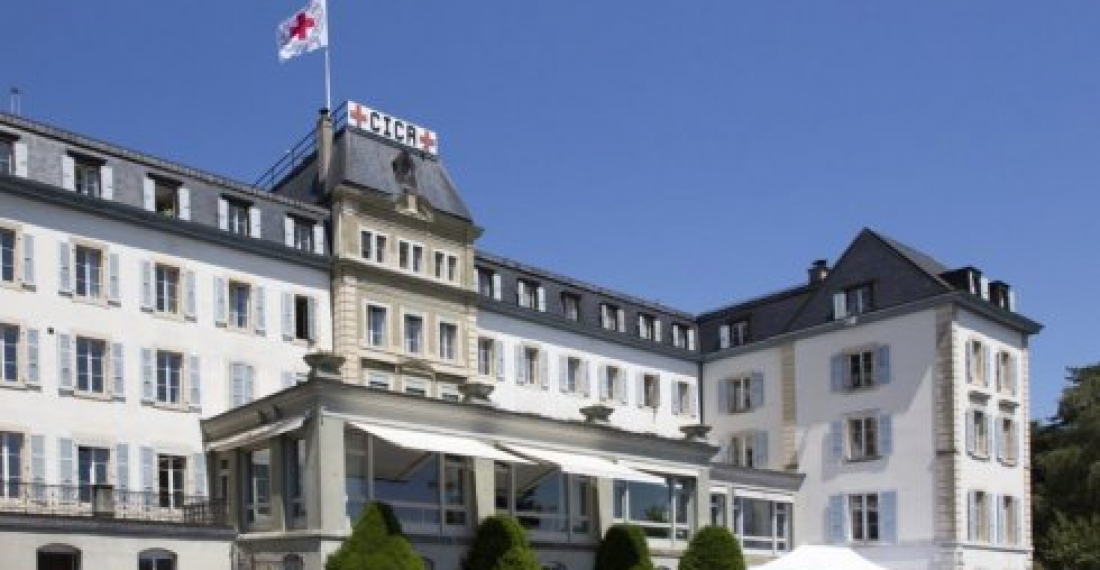
фото: Штаб-квартира МККК, Женева (архивный снимок)
 

Related articles

Editor's choice
News
Aden under curfew, as problem in Yemen's south deepens

Aden under curfew, as problem in Yemen's south deepens

The port city of Aden, in Yemen's south, has been put under curfew, as the rift in the country between  the Saudi led coalition which  backs Yemen's presidential governing council, and the southern forces led by the Southern Transitional Council (STC), deepens. Abdul Rahman al-Mahrami, a member of the Yemeni Presidential Governing Council and commander of the al-Amalik brigades, has ordered a curfew in the temporary capital, Aden, "to maintain security". "A curfew has been imposed throughout Aden Governorate from 9:00 p.m. to 6:00 a.m., in accordance with the instructions of Commander Abdul Rahman al-Mahrami, a member of the Presidential Management Council," the statement said. It states that only security and military personnel, as well as medical and technical teams with approved permits, will be allowed to move in the area during these hours. Yemen's presidential council, which is backed by Saudi Arabia and which already is in a struggle with the Houthi Movement in the north of the country who also occupy the capital Sanaa, two days ago issued an order for the arrest of the head of the Southern Transitional Council (STC),, Aidarous al Zubaidi. The STC have wide support among people in the South, and advocate that South Yemen restores its independence. The coalition warned of further escalation in Aden, long regarded as an STC stronghold, as the Presidential Leadership Council (PLC) chief accused STC leader Aidarous Al Zubaidi of “high treason” and announced the revocation of his membership in the governing body. The moves mark a sharp escalation in tensions within the anti-Houthi camp, despite National Shield Forces, rivals of the STC and former allies, having recently retaken control of Hadhramaut and Mahra from southern fighters. The STC’s takeover of the two regions last month angered Saudi Arabia and contributed to igniting the current internal conflict. (click the picture to read more)

Popular

Editor's choice
News
Aden under curfew, as problem in Yemen's south deepens

Aden under curfew, as problem in Yemen's south deepens

The port city of Aden, in Yemen's south, has been put under curfew, as the rift in the country between  the Saudi led coalition which  backs Yemen's presidential governing council, and the southern forces led by the Southern Transitional Council (STC), deepens. Abdul Rahman al-Mahrami, a member of the Yemeni Presidential Governing Council and commander of the al-Amalik brigades, has ordered a curfew in the temporary capital, Aden, "to maintain security". "A curfew has been imposed throughout Aden Governorate from 9:00 p.m. to 6:00 a.m., in accordance with the instructions of Commander Abdul Rahman al-Mahrami, a member of the Presidential Management Council," the statement said. It states that only security and military personnel, as well as medical and technical teams with approved permits, will be allowed to move in the area during these hours. Yemen's presidential council, which is backed by Saudi Arabia and which already is in a struggle with the Houthi Movement in the north of the country who also occupy the capital Sanaa, two days ago issued an order for the arrest of the head of the Southern Transitional Council (STC),, Aidarous al Zubaidi. The STC have wide support among people in the South, and advocate that South Yemen restores its independence. The coalition warned of further escalation in Aden, long regarded as an STC stronghold, as the Presidential Leadership Council (PLC) chief accused STC leader Aidarous Al Zubaidi of “high treason” and announced the revocation of his membership in the governing body. The moves mark a sharp escalation in tensions within the anti-Houthi camp, despite National Shield Forces, rivals of the STC and former allies, having recently retaken control of Hadhramaut and Mahra from southern fighters. The STC’s takeover of the two regions last month angered Saudi Arabia and contributed to igniting the current internal conflict. (click the picture to read more)