Грузия отмечает 11-ю годовщину войны с Россией

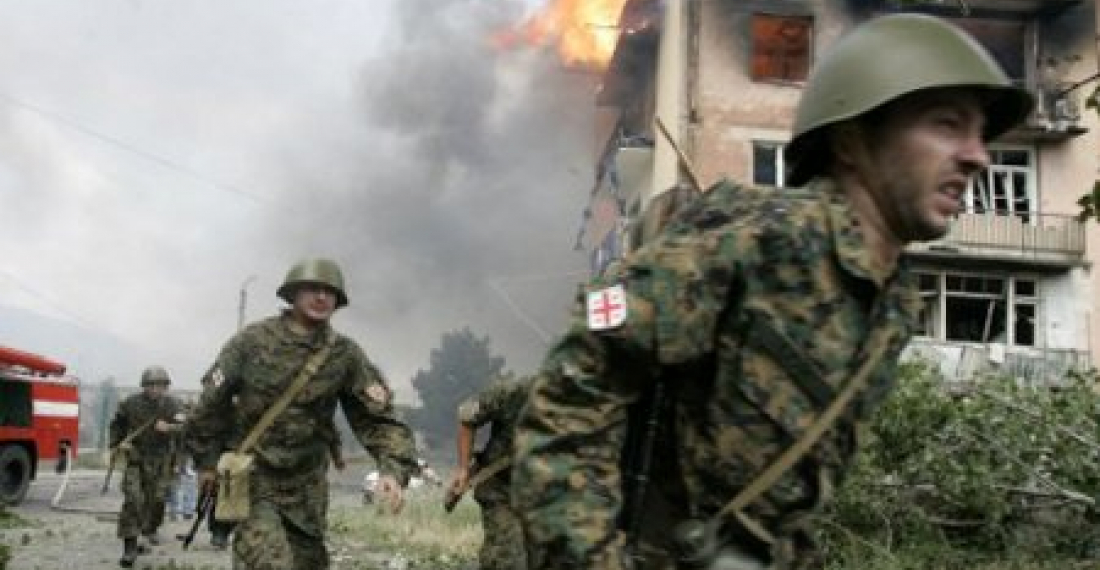
Грузия на этой неделе отмечает 11-ю годовщину войны с Россией. Война стала знаменательным моментом в постсоветской политике, и впоследствии Россия впервые формально потворствовала изменению международных границ на постсоветском пространстве и признанию Абхазии и Южной Осетии.

Война остается спорным вопросом в Грузии, многие обвиняют правительство бывшего президента Саакашвили в том, что тот попался в российскую ловушку.

Европейский Союз в среду (7 августа) через свою делегацию в Тбилиси выступил с заявлением, в котором осудил действия России в то время и уже после. В заявлении говорится, что «Европейский Союз будет продолжать поддерживать суверенитет и территориальную целостность Грузии в пределах ее международно признанных границ».

В полном заявлении говорится:

После конфликта в августе 2008 года между Российской Федерацией и Грузией прошло уже 11 лет. В течение этого времени Российская Федерация не только поддерживала, но и наращивала свое военное присутствие как в Абхазии, так и в Южной Осетии в нарушение международного права и своих обязательств по соглашению от 12 августа 2008 года.

Основные права людей, пострадавших в результате конфликта, продолжают нарушаться, в том числе в результате ограничения свободы передвижения в результате так называемой «границы», временного закрытия контрольно-пропускных пунктов и незаконных задержаний, а также в результате нарушения права на безопасное и достойное возвращение внутренне перемещенных лиц и беженцев.

Конфликты в Грузии привели к вынужденному переселению и травмам тысяч людей, и это наследие затрагивает целые поколения. ЕС приветствует и поддерживает искренние и аполитичные усилия всех сторон по решению гуманитарных вопросов и вопросов безопасности.

С 1990-х годов Европейский Союз стремился помочь найти мирное разрешение конфликтов в Грузии. Эти усилия были существенно активизированы 11 лет назад и продолжаются по сей день. Европейский Союз продолжит эти усилия, в том числе благодаря деятельности Специального представителя ЕС по Южному Кавказу и кризисам в Грузии, его участию в качестве сопредседателя в Женевских международных дискуссиях и постоянному присутствию Миссии наблюдателей ЕС, единственная международная миссия по наблюдению на местах.

Европейский Союз будет и впредь поддерживать суверенитет и территориальную целостность Грузии в пределах ее международно признанных границ.

источник: commonspace.eu по материалам агентств
 

Related articles

Editor's choice
News
Borrell tells the European Parliament that the situation in Afghanistan was critical, but the EU will remain engaged

Borrell tells the European Parliament that the situation in Afghanistan was critical, but the EU will remain engaged

Borrell underlined that the European Union will make every effort to support the peace process and to remain a committed partner to the Afghan people. "Of course, we will have to take into account the evolving situation, but disengagement is not an option.  We are clear on that: there is no alternative to a negotiated political settlement, through inclusive peace talks.
Editor's choice
News
Germany accuses Russia of cyberattacks and disinformation campaign

Germany accuses Russia of cyberattacks and disinformation campaign

The German government holds Russia responsible for a cyberattack on German air traffic control, and for targeted disinformation campaigns before the last federal election. According to the German Foreign Office in Berlin, the incidents could be clearly attributed to the Russian military intelligence service, the GRU. In response, the Russian ambassador to Berlin was summoned to the Foreign Ministry. "We have been observing a massive increase in threatening hybrid activities by Russia for some time now," a spokesperson for the Foreign Ministry stated. These range from disinformation campaigns and espionage to cyberattacks and sabotage attempts. The aim is to divide society, sow distrust, and undermine confidence in democratic institutions. The spokesperson added that with these actions, Russia is "very concretely threatening our security, not only through its war of aggression against Ukraine, but also here in Germany."  The Foreign Ministry spokesperson explained that the cyberattack on air traffic control in August 2024 was clearly attributed to the hacker collective "APT28," known as "Fancy Bear," and to the responsibility of the Russian military intelligence service, the GRU. Furthermore, it could now be "conclusively stated" that Russia had attempted "to influence and destabilize both the last Federal election and the ongoing internal affairs of the Federal Republic of Germany." There was "absolutely irrefutable evidence" for this". The so-called "Storm 1516" campaign, which has been running since 2024, is allegedly backed by "reliable information" that the Moscow-based think tank "Center for Geopolitical Expertise" is behind it. The Center is also said to be supported by Russian military intelligence. Its primary aim is to influence democratic elections in the West. (Click the image to read more).

Popular

Editor's choice
News
Germany accuses Russia of cyberattacks and disinformation campaign

Germany accuses Russia of cyberattacks and disinformation campaign

The German government holds Russia responsible for a cyberattack on German air traffic control, and for targeted disinformation campaigns before the last federal election. According to the German Foreign Office in Berlin, the incidents could be clearly attributed to the Russian military intelligence service, the GRU. In response, the Russian ambassador to Berlin was summoned to the Foreign Ministry. "We have been observing a massive increase in threatening hybrid activities by Russia for some time now," a spokesperson for the Foreign Ministry stated. These range from disinformation campaigns and espionage to cyberattacks and sabotage attempts. The aim is to divide society, sow distrust, and undermine confidence in democratic institutions. The spokesperson added that with these actions, Russia is "very concretely threatening our security, not only through its war of aggression against Ukraine, but also here in Germany."  The Foreign Ministry spokesperson explained that the cyberattack on air traffic control in August 2024 was clearly attributed to the hacker collective "APT28," known as "Fancy Bear," and to the responsibility of the Russian military intelligence service, the GRU. Furthermore, it could now be "conclusively stated" that Russia had attempted "to influence and destabilize both the last Federal election and the ongoing internal affairs of the Federal Republic of Germany." There was "absolutely irrefutable evidence" for this". The so-called "Storm 1516" campaign, which has been running since 2024, is allegedly backed by "reliable information" that the Moscow-based think tank "Center for Geopolitical Expertise" is behind it. The Center is also said to be supported by Russian military intelligence. Its primary aim is to influence democratic elections in the West. (Click the image to read more).