


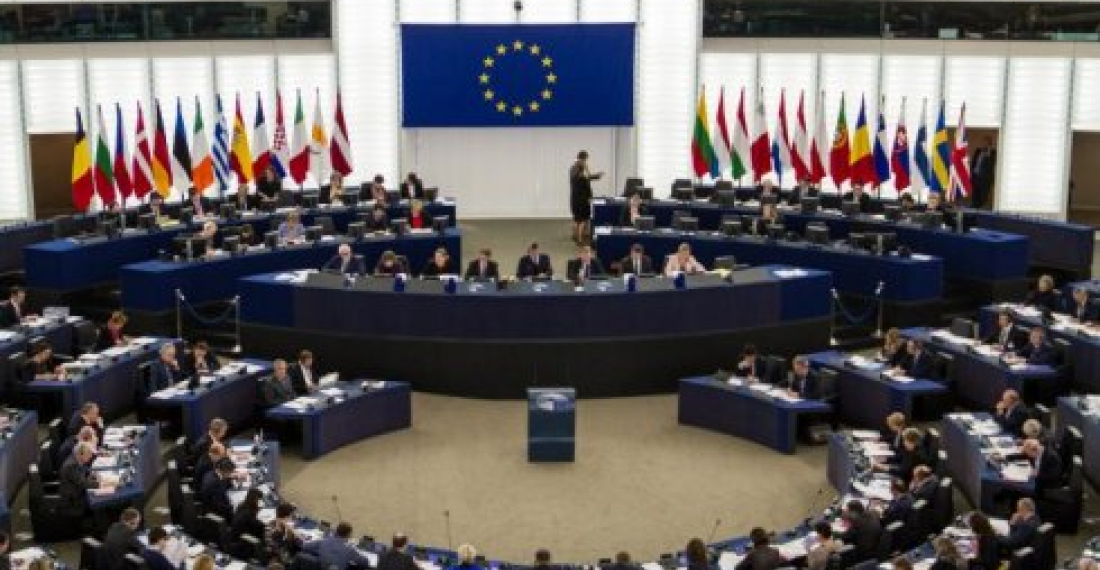
Европейский Парламент дал указания по новому соглашению с Азербайджаном

В среду (4 июля) была принята рекомендация Европейского Парламента для участников переговоров по новому соглашению ЕС-Азербайджан с 564 голосами за и против 69, при 47 воздержавшихся. В рекомендации содержится призыв к Совету ЕС, Комиссии ЕС и главе ЕС по внешней политике обеспечить соблюдение основных ценностей и прав ЕС, учитывая перспективы будущих отношений ЕС с Азербайджаном.

Докладчик Европарламента Норика Николай заявила: "ЕС является главным торговым партнером Азербайджана, а Азербайджан является стратегическим энергетическим партнером для ЕС - настало время обновить рамки наших отношений с всеобъемлющим соглашением". Она добавила: "Надеюсь, мы сможем работать вместе, чтобы обеспечить достижение прогресса в плане демократических стандартов до завершения переговоров".

Переговоры по новому соглашению начались в феврале 2017 года. Депутаты Европарламента надеются, что "всеобъемлющее соглашение" может быть ратифицировано до саммита ЕС-Восточное партнерство в 2019 году, при том, что будут "соблюдены все ключевые условия".

источник: commonspace.eu

фото: Здание Европарламента в Страсбурге (архив)

Related articles

Popular

Editor's choice
Interview
Thursday Interview: Murad Muradov

Thursday Interview: Murad Muradov

Today, commonspace.eu starts a new regular weekly series. THURSDAY INTERVIEW, conducted by Lauri Nikulainen, will host  persons who are thinkers, opinion shapers, and implementors in their countries and spheres. We start the series with an interview with Murad Muradov, a leading person in Azerbaijan's think tank community. He is also the first co-chair of the Action Committee for a new Armenian-Azerbaijani Dialogue. Last September he made history by being the first Azerbaijani civil society activist to visit Armenia after the 44 day war, and the start of the peace process. Speaking about this visit Murad Muradov said: "My experience was largely positive. My negative expectations luckily didn’t play out. The discussions were respectful, the panel format bringing together experts from Armenia, Azerbaijan, and Turkey was particularly valuable during the NATO Rose-Roth Seminar in Yerevan, and media coverage, while varied in tone, remained largely constructive. Some media outlets though attempted to represent me as more of a government mouthpiece than an independent expert, which was totally misleading.  Overall, I see these initiatives as important steps in rebuilding trust and normalising professional engagement. The fact that soon a larger Azerbaijani civil society visits to Armenia followed, reinforces the sense that this process is moving in the right direction." (click the image to read the interview in full)


