


ЕС приветствует доклад омбудсмена Грузии по борьбе и предотвращению дискриминации

Офис Народного защитника Грузии представил Специальный доклад о борьбе с дискриминацией и положению в области равноправия, который дает оценку ситуации с 2014 года.

Посол Европейского Союза Янош Херман в ходе сегодняшней презентации отметил, что «ЕС приветствует этот доклад после знакового антидискриминационного законодательства принятого в Грузии в 2014 году. Его выводы и рекомендации должны в дальнейшем способствовать нашей общей работе". В то время как мы признаем достигнутый прогресс, мы также отметили недостатки, выявленные общественным защитником. Уязвимые группы, особенно инвалиды, женщины и меньшинства, по-прежнему сталкиваются с препятствиями в получении равного обращения в таких областях, как образование и занятость", - сказал Герман.

Герман напомнил о законодательных поправках, обещанных во время процесса либерализации визового режима, что сделало бы антидискриминационный закон более эффективным, охватив также и частный сектор. Он подчеркнул, что эти поправки находятся на рассмотрении с марта 2015 года. Они будут находится под нашим постоянным мониторингом", - сказал Герман. Посол подчеркнул, что права человека, демократия и верховенство закона являются ключевыми приоритетами для ЕС во всем мире. В Грузии ЕС оказывает поддержку Офису Народного защитника для защиты прав всех граждан Грузии, в том числе уязвимых групп. Эта помощь является частью программы ЕС «Права человека для всех». Благодаря выделенным 10 миллионам евро (более 25 миллионов лари) эта программа помогает реализовать Национальный план действий в области прав человека", - сказал Херман.

Посол подчеркнул, что поддержка ЕС особенно сосредоточена на таких областях, как права меньшинств и уязвимых групп, защита частной жизни, трудовые права и права детей.

commonspace.eu по материалам agenda.ge

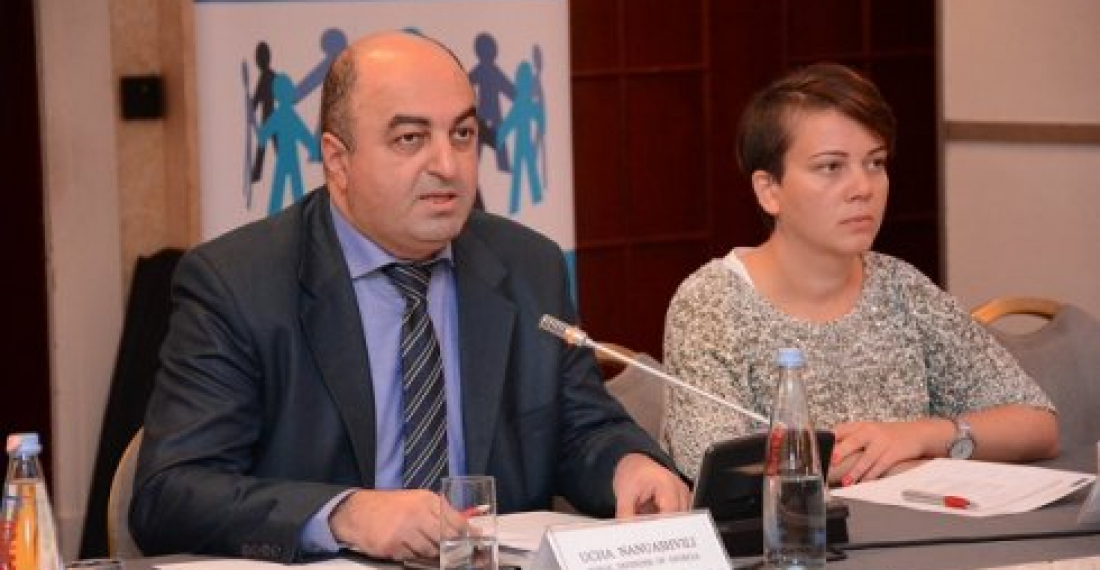
фото: Общественный защитник Грузии, Уча Нануашвили (фото предоставлено пресс-службой общественного защитника)


Related articles

Editor's choice
News
The British prime minister says Europe must "stand on its own two feet" when it comes to defence

The British prime minister says Europe must "stand on its own two feet" when it comes to defence

The UK will deploy a carrier strike group, led by the aircraft carrier HMS Prince of Wales to the Arctic and the High North as part of efforts to bolster security against Russian threats. British prime minister, Sir Keir Starmer announced the deployment in a speech on Saturday (14 February) at the Munich Security Conference. Europe must be ready to fight to protect its people, values, and way of life,  Sir Keir told the Conference. Starmer also called for deeper links and cooperation, including economic ties, between the UK and EU. The PM stressed the continent must "stand on its own two feet" when it comes to defence commitments. "We must build our hard power, because that is the currency of the age," he told the conference. (Click image to read the full story).

Popular

Editor's choice
Interview
Thursday Interview: Murad Muradov

Thursday Interview: Murad Muradov

Today, commonspace.eu starts a new regular weekly series. THURSDAY INTERVIEW, conducted by Lauri Nikulainen, will host  persons who are thinkers, opinion shapers, and implementors in their countries and spheres. We start the series with an interview with Murad Muradov, a leading person in Azerbaijan's think tank community. He is also the first co-chair of the Action Committee for a new Armenian-Azerbaijani Dialogue. Last September he made history by being the first Azerbaijani civil society activist to visit Armenia after the 44 day war, and the start of the peace process. Speaking about this visit Murad Muradov said: "My experience was largely positive. My negative expectations luckily didn’t play out. The discussions were respectful, the panel format bringing together experts from Armenia, Azerbaijan, and Turkey was particularly valuable during the NATO Rose-Roth Seminar in Yerevan, and media coverage, while varied in tone, remained largely constructive. Some media outlets though attempted to represent me as more of a government mouthpiece than an independent expert, which was totally misleading.  Overall, I see these initiatives as important steps in rebuilding trust and normalising professional engagement. The fact that soon a larger Azerbaijani civil society visits to Armenia followed, reinforces the sense that this process is moving in the right direction." (click the image to read the interview in full)

