


Cопредседатель Минской группы ОБСЕ от США о своем взгляде на разрешение конфликта

Не существует приемлемого военного решения нагорно-карабахского конфликта, так же как и нынешний статус-кво не является устойчивым в долгосрочной перспективе, говорит сопредседатель Минской группы ОБСЕ по урегулированию нагорно-карабахского конфликта Эндрю Шофер в эксклюзивном интервью Trend.

Шофер подчеркнул, что США поддерживают переговорное урегулирование нагорно-карабахского конфликта и будут продолжать активно взаимодействовать со сторонами в качестве сопредседателя Минской группы ОБСЕ.

"Долговременная политика США, которую разделяют и сопредседатели Минской группы, заключается в том, что справедливое урегулирование должно основываться на принципах международного права, включая Хельсинкский заключительный акт и его основные принципы неприменения силы или угрозы силой, территориальной целостности, равноправия и права на самоопределение. Мы также убеждены, что нынешний статус-кво не может сохраняться в долгосрочной перспективе и что не существует военного пути решения данного конфликта", - отметил он.

По его словам, взятые обязательства президентов Ильхама Алиева и Сержа Саргсяна в Женеве активизировать переговоры и принять дополнительные меры по снижению напряженности отражают эту реальность, добавив, что это следует рассматривать как позитивные первые шаги в активизации усилий по урегулированию конфликта мирным путем, путем переговоров.

"С момента встречи в Женеве мы провели большую работу со сторонами конфликта в качестве сопредседателей для претворения взятых обязательств в жизнь и продолжим работать в этом направлении", - добавил он.

"We continue to encourage the presidents and foreign ministers to meet at the earliest opportunity to continue discussions on key issues, including the importance of respecting the ceasefire and taking steps towards fully implementing decisions taken in Geneva in 2017, as well as in Vienna and St. Petersburg in 2016," he said.

Подчеркнув, что США, как страна-сопредседатель, привержена переговорному процессу в рамках Минской группы ОБСЕ, Шофер отметил, что сопредседатели готовы работать со сторонами в любом формате, способствующем долгосрочному урегулированию.

"Мы продолжаем содействовать тому, чтобы президенты и министры иностранных дел встретились как можно скорее для возобновления обсуждения по ключевым вопросам, включая важность соблюдения режима прекращения огня и шагов по осуществлению решений, принятых в 2017 году в Женеве, а также в 2016 году в Вене и Санкт-Петербурге", - отметил Шофер.

Коснувшись темы расширения Офиса личного представителя Действующего председателя ОБСЕ, Шофер отметил, что это будет важным сигналом от сторон в отношении их заявленной приверженности по принятию мер по снижению напряженности на линии соприкосновения.

"Это также повысит способность Миссии своевременно и эффективно выполнять свой мандат. Сопредседатели будут продолжать привлекать стороны к тому, чтобы как можно скорее реализовать эту важную меру укрепления доверия", - сказал он.

Шофер отметил, что сопредседатели МГ ОБСЕ в течение некоторого времени обсуждают со сторонами возможность продолжения оценочной миссии 2010 года на территориях, затронутых конфликтом.

Отвечая на вопрос о том, насколько близко к достижению устойчивого мира находятся Баку и Ереван, Шофер отметил, что не существует простых путей решения конфликта.

"Я был назначен сопредседателем Минской группы ОБСЕ от США в августе 2017 года. За время осуществления своей деятельности я встречался с разными людьми, занятыми различными аспектами конфликта. И хотя я слышал много хороших предложений и идей, не существует простых решений конфликта. Было бы нереально ожидать, что серьёзный прорыв может быть достигнут без большой работы и подготовки, что займёт определённое время", - отметил он.

По словам сопредседателя, для положительного продвижения в переговорном процессе необходимы продолжительные искренние усилия как сторон конфликта, так и сопредседателей и международного сообщества, что в конечном счете потребует принятия трудных решений сторонами конфликта.

Касательно даты очередного визита в регион, он отметил, что у сопредседателей МГ на данный момент нет графика по этому вопросу, но они продолжат консультации со сторонами, принимая во внимание текущий период выборов в регионе.

источник: commonspace.eu по материалам новостного агентства TREND , Баку

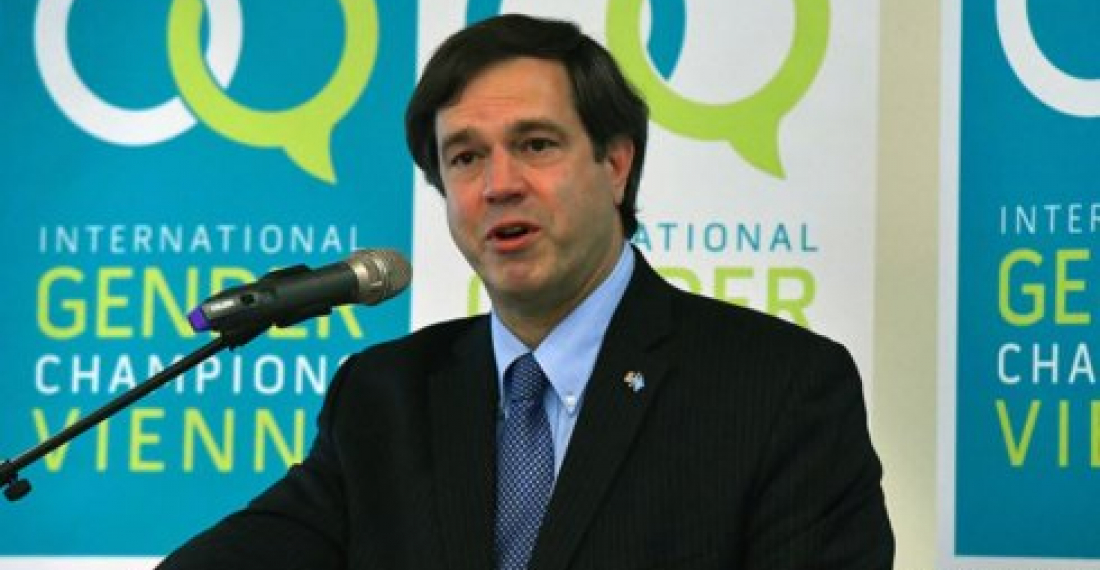
фото: Эндрю Шофер (фото из архива)

Related articles

Editor's choice
News
Council of Europe launches new International Claims Commission for Ukraine

Council of Europe launches new International Claims Commission for Ukraine

Thirty-four countries and the European Union have signed a new convention establishing an International Claims Commission for Ukraine at a diplomatic conference co-hosted by the 46-nation Council of Europe and the Netherlands in the Hague. The diplomatic conference was attended by leaders and high-level representatives from over 50 states, including the President of Ukraine, Volodymyr Zelenskyy, the President of the Republic of Moldova, Maia Sandu, and the Prime Minister of the Netherlands, Dick Schoof.  “Today marks a major step forward in ensuring accountability for Ukraine. The International Claims Commission represents justice and hope for tens of thousands of victims—our determination that those who have suffered will not be forgotten. I call for quick ratifications so we can get the commission rapidly up and running for the people of Ukraine,” said Council of Europe Secretary General Alain Berset. Ukrainian President Volodymyr Zelenskyy said: “We expect that every mechanism for compensation from the Register of Damage and Claims Commission to the actual payments – will start working and receive strong and sufficient international support, so that people can truly feel that any kind of damage caused by the war can be compensated. This war, and Russia’s responsibility for it, MUST become a clear example – so that others learn not to choose aggression.” “Accountability is about creating the conditions for peace that endures. And therefore, accountability is a condition of security – today and for the future. But accountability is not only about Ukraine. And it is not only about one aggressor and one victim. Accountability is about Europe. About every country in Europe. It is about whether Europe, as a whole, is willing to defend its peace,” said Maia Sandu, President of the Republic of Moldova, which currently holds the Presidency of the Council of Europe’s Committee of Ministers. The Prime Minister of the Netherlands, Dick Schoof, said: “Every day Russia is deliberately bombarding homes, destroying businesses and damaging infrastructure in Ukraine. Russia must compensate Ukraine for the damage caused. That is why we have launched the International Claims Commission for Ukraine and we are honoured to host it.” The International Claims Commission will be the second part of a comprehensive compensation mechanism related to Russia’s war of aggression, building on the existing Register of Damage for Ukraine. The claims commission will be established within the framework of the Council of Europe and will also be open to other countries. The Register of Damage for Ukraine, created in 2023, collects and records compensation claims submitted by individuals, organisations and public bodies in Ukraine. Forty-four states and the European Union have so far joined the Register, which has already received 86,000 claims. The International Claims Commission will review, assess and decide upon claims submitted to the Register of Damage for Ukraine and determine the amount of compensation, if any, which is due in each case. The convention establishing the commission will enter into force once it has been ratified by 25 signatories, as long as sufficient funds have been secured to support its initial work.

Popular

Editor's choice
News
Council of Europe launches new International Claims Commission for Ukraine

Council of Europe launches new International Claims Commission for Ukraine

Thirty-four countries and the European Union have signed a new convention establishing an International Claims Commission for Ukraine at a diplomatic conference co-hosted by the 46-nation Council of Europe and the Netherlands in the Hague. The diplomatic conference was attended by leaders and high-level representatives from over 50 states, including the President of Ukraine, Volodymyr Zelenskyy, the President of the Republic of Moldova, Maia Sandu, and the Prime Minister of the Netherlands, Dick Schoof.  “Today marks a major step forward in ensuring accountability for Ukraine. The International Claims Commission represents justice and hope for tens of thousands of victims—our determination that those who have suffered will not be forgotten. I call for quick ratifications so we can get the commission rapidly up and running for the people of Ukraine,” said Council of Europe Secretary General Alain Berset. Ukrainian President Volodymyr Zelenskyy said: “We expect that every mechanism for compensation from the Register of Damage and Claims Commission to the actual payments – will start working and receive strong and sufficient international support, so that people can truly feel that any kind of damage caused by the war can be compensated. This war, and Russia’s responsibility for it, MUST become a clear example – so that others learn not to choose aggression.” “Accountability is about creating the conditions for peace that endures. And therefore, accountability is a condition of security – today and for the future. But accountability is not only about Ukraine. And it is not only about one aggressor and one victim. Accountability is about Europe. About every country in Europe. It is about whether Europe, as a whole, is willing to defend its peace,” said Maia Sandu, President of the Republic of Moldova, which currently holds the Presidency of the Council of Europe’s Committee of Ministers. The Prime Minister of the Netherlands, Dick Schoof, said: “Every day Russia is deliberately bombarding homes, destroying businesses and damaging infrastructure in Ukraine. Russia must compensate Ukraine for the damage caused. That is why we have launched the International Claims Commission for Ukraine and we are honoured to host it.” The International Claims Commission will be the second part of a comprehensive compensation mechanism related to Russia’s war of aggression, building on the existing Register of Damage for Ukraine. The claims commission will be established within the framework of the Council of Europe and will also be open to other countries. The Register of Damage for Ukraine, created in 2023, collects and records compensation claims submitted by individuals, organisations and public bodies in Ukraine. Forty-four states and the European Union have so far joined the Register, which has already received 86,000 claims. The International Claims Commission will review, assess and decide upon claims submitted to the Register of Damage for Ukraine and determine the amount of compensation, if any, which is due in each case. The convention establishing the commission will enter into force once it has been ratified by 25 signatories, as long as sufficient funds have been secured to support its initial work.


