Азербайджан подверг критике комментарии МИД России

Азербайджан подверг критике заявление официального представителя МИД России Марии Захаровой, в котором она отозвалась о речи президента Ильхама Алиева на VI Съезде партии «Ени Азербайджан», как о не содействующем снижению напряженности.

Отвечая на вопрос журналиста на очередном пресс-брифинге в четверг (15 февраля), Захарова сказала: "В Москве, разумеется, видели сообщения о выступлении президента Азербайджана Алиева на съезде правящей партии. Прекрасно знаем, что отношения Азербайджана с соседней Арменией крайне напряжённые. Упомянутое высказывание явно не способствует снижению напряженности."

На эти слова уже в пятницу ответил пресс-секретарь МИД Азербайджана Хикмет Гаджиев, назвав "неверным выражение отношения к мнению главы государства в подобном ключе". "Принимая во внимание отношения стратегического партнерства между Азербайджаном и Россией, а также диалог высокого уровня, мы считаем неверным выражение отношения к мнению главы государства в подобном ключе", - отметил Гаджиев.

Гаджиев сказал, что политика, которую проводит президент Ильхам Алиев, служит обеспечению регионального мира и безопасности, укреплению регионального сотрудничества и устранению потенциальных региональных рисков.

"Президент Азербайджана на Vl съезде ПЕА говорил не о возвращении исторических земель Азербайджана, а о вопросе возвращения азербайджанцев на свои исторические земли. Выступление главы государства распространено в средствах массовой информации на различных языках, в том числе при полном переводе на русский язык", - отметил он.

Он также отметил, что массовый исход азербайджанцев из Армении на различных этапах истории, особенно в конце 1980-х годов, а также разграбление и уничтожение материально-культурного наследия коренного азербайджанского населения в Армении доказаны историческими фактами и документами.

"Вообще, почему мирное возвращение азербайджанского народа на свои исторические земли должно кого-то беспокоить? Во всех документах соответствующих международных организаций во главе с ООН, в том числе и ОБСЕ, по урегулированию различных конфликтов обеспечение возвращения людей на их родные земли, в места постоянного проживания указывается в качестве одного из фундаментальных прав. Согласно соответствующим резолюциям Совета Безопасности ООН, одним из важных составных элементов процесса решения армяно-азербайджанского, нагорно-карабахского конфликта является обеспечение возвращения подвергшихся кровавым этническим чисткам свыше 1 миллиона азербайджанцев на свои исторические земли", - говорит пресс-секретарь МИД Азербайджана.

По мнению политического редактора Commonspace.eu, обычно Россия и Азербайджан предпочитают не выносить ссору из избы, но в этот раз они ее вынесли. Спор о том, что именно сказал президент Алиев на VI-м Конгрессе партии «Ени Азербайджан». Сказал ли он, что исторические азербайджанские земли, в том числе Ереван, должны быть возвращены Азербайджану или же, что азербайджанцы должны иметь возможность вернуться на свои исторические земли, в том числе в Ереван?

На сайте президента Азербайджана опубликовано его выступление на русском языке.

"Должен также отметить, что мы не должны забывать и не забываем наши исторические земли. Это должно стать ориентиром для нашей дальнейшей деятельности, так же, как мы и сегодня работаем в данном направлении. Наши исторические земли - Иреванское ханство, Зангезур, Гейча. Об этом должно знать и молодое поколение, и весь мир. Рад, что в связи с этим вопросом - историей наших исконных земель сегодня создаются солидные научные труды, снимаются фильмы, организуются выставки. В предстоящие годы мы должны быть более активными в этом направлении, в различных уголках мира должны проводиться выставки, презентации. Потому что Иреван - наша историческая земля, и мы, азербайджанцы, должны вернуться на эти исторические земли. Это - наша политическая и стратегическая цель, и мы должны постепенно приближаться к ней."


источник: commonspace.eu

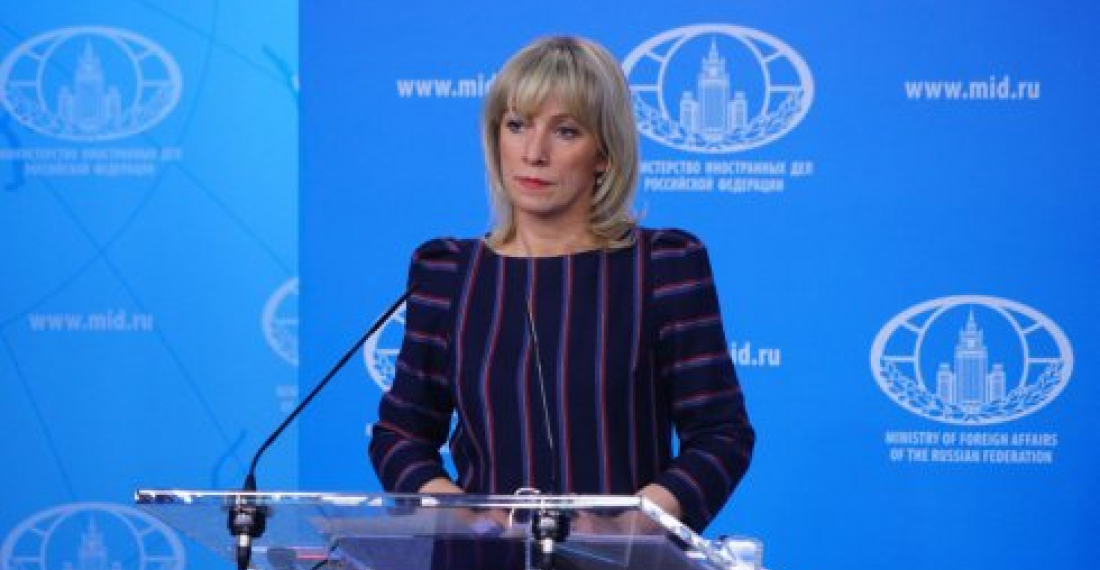
фото: Представитель МИД России Мария Захарова (фото предоставлено пресс-службой президента России).
Related articles

Editor's choice
News
Germany accuses Russia of cyberattacks and disinformation campaign

Germany accuses Russia of cyberattacks and disinformation campaign

The German government holds Russia responsible for a cyberattack on German air traffic control, and for targeted disinformation campaigns before the last federal election. According to the German Foreign Office in Berlin, the incidents could be clearly attributed to the Russian military intelligence service, the GRU. In response, the Russian ambassador to Berlin was summoned to the Foreign Ministry. "We have been observing a massive increase in threatening hybrid activities by Russia for some time now," a spokesperson for the Foreign Ministry stated. These range from disinformation campaigns and espionage to cyberattacks and sabotage attempts. The aim is to divide society, sow distrust, and undermine confidence in democratic institutions. The spokesperson added that with these actions, Russia is "very concretely threatening our security, not only through its war of aggression against Ukraine, but also here in Germany."  The Foreign Ministry spokesperson explained that the cyberattack on air traffic control in August 2024 was clearly attributed to the hacker collective "APT28," known as "Fancy Bear," and to the responsibility of the Russian military intelligence service, the GRU. Furthermore, it could now be "conclusively stated" that Russia had attempted "to influence and destabilize both the last Federal election and the ongoing internal affairs of the Federal Republic of Germany." There was "absolutely irrefutable evidence" for this". The so-called "Storm 1516" campaign, which has been running since 2024, is allegedly backed by "reliable information" that the Moscow-based think tank "Center for Geopolitical Expertise" is behind it. The Center is also said to be supported by Russian military intelligence. Its primary aim is to influence democratic elections in the West. (Click the image to read more).
Editor's choice
News
NATO Chief says war is on Europe's doorstep, and warns against complacency

NATO Chief says war is on Europe's doorstep, and warns against complacency

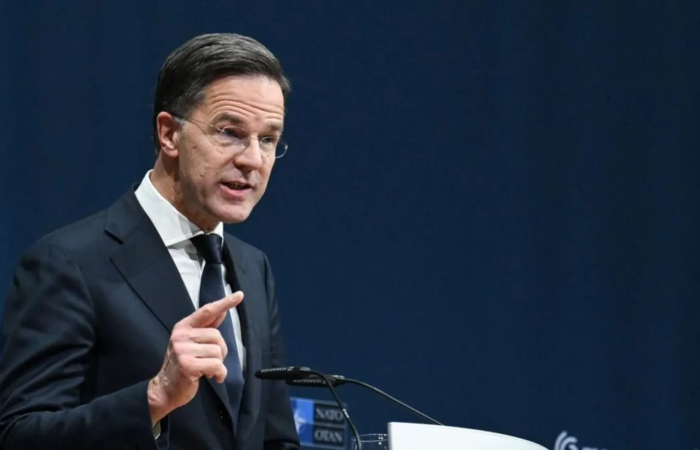
Russia could attack a NATO country within the next five years, the Secretary General of NATO, Mark Rutte, said in a stark new warning. "NATO's own defences can hold for now," Rutte warned in Berlin, but conflict was "next door" to Europe, and he feared "too many are quietly complacent, and too many don't feel the urgency, too many believe that time is on our side. "Russia is already escalating its covert campaign against our societies," Rutte said in a speech in Germany. "We must be prepared for the scale of war our grandparents or great-grandparents endured." Earlier this month, Russia's President Vladimir Putin said his country was not planning to go to war with Europe, but it was ready "right now" if Europe wanted to - or started a war. But similar reassurances were given by Moscow in 2022, just before 200,000 Russian troops crossed the border and invaded Ukraine. Putin has accused European countries of hindering US efforts to bring peace in Ukraine - a reference to the role Ukraine's European allies have recently played in trying to change a US peace plan to end the war, whose initial draft was seen as favouring Russia. But Putin was not sincere, Nato's secretary-general said in the German capital, Berlin. Supporting Ukraine, he added, was a guarantee for European security. "Just imagine if Putin got his way; Ukraine under the boot of Russian occupation, his forces pressing against a longer border with Nato, and the significantly increased risk of an armed attack against us." Russia's economy has been on a war footing for more than three years now - its factories churn out ever more supplies of drones, missiles and artillery shells. According to a recent report by the Kiel Institute for the World Economy, Russia has been producing each month around 150 tanks, 550 infantry fighting vehicles, 120 Lancet drones and more than 50 artillery pieces. The UK, and most of its Western allies, are simply not anywhere near this point. Analysts say it would take years for Western Europe's factories to come close to matching Russia's mass-production of weapons. "Allied defence spending and production must rise rapidly, our armed forces must have what they need to keep us safe," the Nato chief said.

Popular

Editor's choice
News
Germany accuses Russia of cyberattacks and disinformation campaign

Germany accuses Russia of cyberattacks and disinformation campaign

The German government holds Russia responsible for a cyberattack on German air traffic control, and for targeted disinformation campaigns before the last federal election. According to the German Foreign Office in Berlin, the incidents could be clearly attributed to the Russian military intelligence service, the GRU. In response, the Russian ambassador to Berlin was summoned to the Foreign Ministry. "We have been observing a massive increase in threatening hybrid activities by Russia for some time now," a spokesperson for the Foreign Ministry stated. These range from disinformation campaigns and espionage to cyberattacks and sabotage attempts. The aim is to divide society, sow distrust, and undermine confidence in democratic institutions. The spokesperson added that with these actions, Russia is "very concretely threatening our security, not only through its war of aggression against Ukraine, but also here in Germany."  The Foreign Ministry spokesperson explained that the cyberattack on air traffic control in August 2024 was clearly attributed to the hacker collective "APT28," known as "Fancy Bear," and to the responsibility of the Russian military intelligence service, the GRU. Furthermore, it could now be "conclusively stated" that Russia had attempted "to influence and destabilize both the last Federal election and the ongoing internal affairs of the Federal Republic of Germany." There was "absolutely irrefutable evidence" for this". The so-called "Storm 1516" campaign, which has been running since 2024, is allegedly backed by "reliable information" that the Moscow-based think tank "Center for Geopolitical Expertise" is behind it. The Center is also said to be supported by Russian military intelligence. Its primary aim is to influence democratic elections in the West. (Click the image to read more).