4 апреля Международный день просвещения по вопросам минной опасности и помощи в деятельности, связанной с разминированием

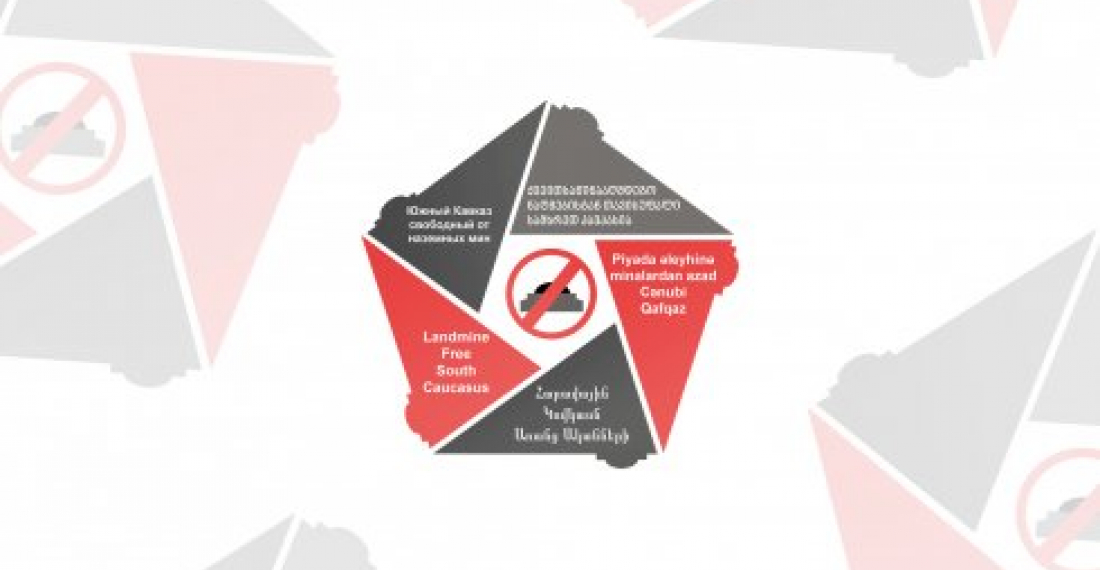
Заявление в рамках кампании "Южный Кавказ свободный от противопехотных мин".

В 2005 году Организация Объединенных Наций объявила 4 апреля ежегодным Международным днем ​​информирования о минной опасности и помощи в разминировании:

«... для продолжения усилий государств при содействии Организации Объединенных Наций и соответствующих организаций, участвующих в деятельности, связанной с разминированием, в зависимости от обстоятельств, для содействия созданию и развитию национального потенциала по разминированию в странах, в которых имеются мины и взрывчатые вещества, пережитки войны, представляющие серьезную угрозу безопасности, здоровью и жизни местного гражданского населения или препятствующие усилиям по социально-экономическому развитию на национальном и местном уровнях».

На этот раз в прошлом году этот день впервые был отмечен на Южном Кавказе общерегиональной кампанией с общей темой и идеей. Кампания "Южный Кавказ свободный от противопехотных мин" 2019 повысила осведомленность о региональном контексте остающихся бедствий наземных мин и неразорвавшихся боеприпасов на Южном Кавказе. Она сумела собрать правительственных чиновников и представителей национальных, международных и неправительственных организаций на встречах в Баку, Ереване и Тбилиси. И через серию публичных мероприятий она сумела донести сообщение о рисках, связанных с наземными минами, для детей, молодежи и других уязвимых групп, живущих в районах, которые все еще остаются заминированными. К концу недельной кампании в социальных сетях приняли участие более 400 000 человек со всего региона.

В этом году мир столкнулся с еще одной неотложной проблемой - пандемией COVID-19. В свете этого мероприятия по кампании Южный Кавказ свободный от противопехотных мин 2020, которые должны были состояться в течение следующих трех месяцев, будут перенесены на более поздний срок. На данный момент мы хотели бы предложить нашу поддержку всем тем, кто работает в разных секторах и по всему миру, для борьбы с вирусом, обеспечения безопасности наших обществ и возвращения нас в нормальное состояние.

Несмотря на отсрочку кампании этого года, важно помнить, что на Южном Кавказе существуют реальные проблемы, связанные с наземными минами и неразорвавшимися боеприпасами, которые ежедневно влияют на жизнь людей. С 1990-х годов тысячи людей в регионе были убиты или ранены в результате прямого взрывного загрязнения, причем большинство из них являются гражданскими лицами. Эти устройства не только калечат и убивают, но и ограничивают возделывание земель, что ограничивает экономику сельского хозяйства.

Договор о запрещении противопехотных мин («Оттавский договор») от 1999 года, запрещающий использование, накопление запасов, производство и передачу противопехотных мин, а также обязательное их уничтожение. В настоящее время 164 стран официально присоединились к договору; Однако это не относится к трем странам Южного Кавказа - Армении, Азербайджану и Грузии. Мы с оптимизмом ожидаем присоединения всех трех к договору в будущем. Несмотря на это, кампания Южный Кавказ свободный от противопехотных мин отмечает тяжелую и опасную работу тех на Южном Кавказе, кто стремится каждый день очистить регион от наземных мин и неразорвавшихся пережитков войны.

источник: LINKS Europe (www.links-europe.eu)
 

Related articles

Editor's choice
News
Nikol Pashinyan re-appointed as Armenian prime minister after decisive June election victory

Nikol Pashinyan re-appointed as Armenian prime minister after decisive June election victory

Armenia president, Vahagn Khachaturyan has re-appointed Nikol Pashinyan as Armenian prime minister, after the decisive victory of his Civil Contract party in parliamentary elections in June. During a ceremony at the Presidential Palace in Yerevan, President Khachaturyan signed a decree on the appointment of Nikol Pashinyan as Prime Minister of the Republic. President Vahagn Khachaturyan said in short remarks: It is a great honor for me to sign a decree on appointing you to the post of Prime Minister of the Republic of Armenia, for which I received a proposal from the political majority in the National Assembly, under Article 149 of the Constitution of the Republic of Armenia. I sincerely congratulate you, I wish you great patience, endurance, and determination to lead us in these difficult times, to lead the country to the future, a prosperous future. Nikol Pashinyan thanked the president and added,  I must say honestly that in 2018, when I assumed the post of Prime Minister of the Republic of Armenia as a result of the People's, non-violent, velvet revolution, it would have been difficult to predict that we would go down such a path and I think it would have been difficult to predict that we would be able to overcome this path. But we are where we are, and I think that the key role and significance in all this is unequivocally and undoubtedly the people of the Republic of Armenia, who, after all, have demonstrated special expressions of state consciousness and state-centeredness throughout this period. And of course, this is a great obligation and commitment. Of course, the Government will be formed in the near future and all members of the Government, including me, will already enshrine our obligations to our people in the text of the oath.  In the meantime Ruben Rubinyan has been elected Speaker of the National Assembly of Armenia, following a secret vote of MPs. He is a 36-year-old MP from the ruling Civil Contract party, who was one of the deputy speakers in the previous parliament and, until recently, was the special representative in the negotiations on the normalization of relations with Turkey.

Popular

Editor's choice
Interview
Thursday Interview: Murad Muradov

Thursday Interview: Murad Muradov

Today, commonspace.eu starts a new regular weekly series. THURSDAY INTERVIEW, conducted by Lauri Nikulainen, will host  persons who are thinkers, opinion shapers, and implementors in their countries and spheres. We start the series with an interview with Murad Muradov, a leading person in Azerbaijan's think tank community. He is also the first co-chair of the Action Committee for a new Armenian-Azerbaijani Dialogue. Last September he made history by being the first Azerbaijani civil society activist to visit Armenia after the 44 day war, and the start of the peace process. Speaking about this visit Murad Muradov said: "My experience was largely positive. My negative expectations luckily didn’t play out. The discussions were respectful, the panel format bringing together experts from Armenia, Azerbaijan, and Turkey was particularly valuable during the NATO Rose-Roth Seminar in Yerevan, and media coverage, while varied in tone, remained largely constructive. Some media outlets though attempted to represent me as more of a government mouthpiece than an independent expert, which was totally misleading.  Overall, I see these initiatives as important steps in rebuilding trust and normalising professional engagement. The fact that soon a larger Azerbaijani civil society visits to Armenia followed, reinforces the sense that this process is moving in the right direction." (click the image to read the interview in full)