14 января в армянской политике откроется новая глава

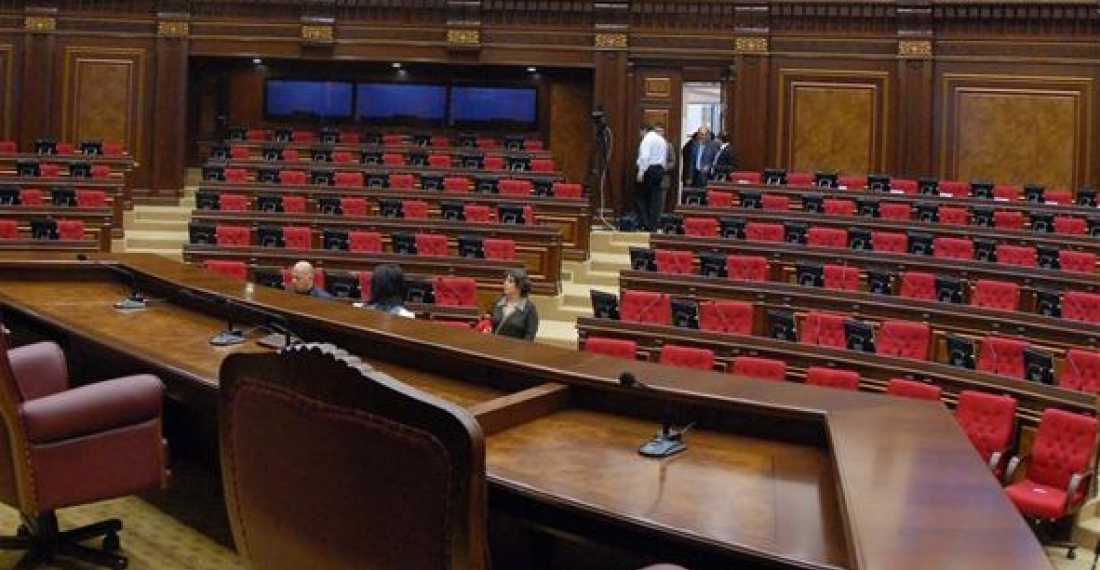
Новый парламент Армении соберется на свою первую сессию в понедельник, 14 января. Центральная избирательная комиссия Армении подвела итоги выборов 9 декабря, приняла к сведению тех, кто отказался от своего мандата - в основном из-за того, что они будут занимать должности в правительстве - и опубликовала список избранных депутатов.

В новом парламенте будут представлены три политические силы. Партия Никол Пашиняна "Мой Шаг" будет доминировать в парламенте, что свидетельствует о ее убедительной победе на декабрьских выборах и сохраняющейся личной популярности Пашиняна. Также в парламенте будет представлена «Процветающая Армения» - традиционная партия во главе с Гагиком Царукяном, известная личность в армянской политике в течение последнего десятилетия, который пережил недавние перемены благодаря некоторой подлинной поддержке на местах. Третья партия - «Яркая Армения», является интересной проевропейской политической силой, которая предпочла взять на себя роль оппозиции, несмотря на то, что она разделяет многие взгляды с новой правящей партией «Мой шаг».

Ни одна из партий, которые можно было бы охарактеризовать как жесткую оппозицию, не будет представлена в парламенте, а именно Республиканская партия Армении (РПА), политическая сила, которая управляла страной в 2008-2018 гг., а также АРФ-Дашнаки, которые были часто их партнерами в правительстве.

Помимо политической преданности, в новом парламенте будут преобладать новые лица - многие молодые, которые не имеют опыта парламентской политики, но очень полны энтузиазма и стремятся продвигать реформы во многих аспектах жизни Армении. Вполне вероятно, что парламент сыграет ключевую роль в воплощении в жизнь идеи Никола Пашиняна о новой Армении. Но с учетом того, что внепарламентская оппозиция, вероятно, останется громкой и влиятельной, взаимодействие парламента с непарламентскими политическими силами также будет интересной чертой политической жизни в будущем.

На своих первых сессиях парламент назначит ключевых должностных лиц, включая спикера и его заместителей, а также руководство парламентскими комитетами.

источник: commonspace.eu
Related articles

Editor's choice
News
Russian attacks against Ukrainian civilians continue

Russian attacks against Ukrainian civilians continue

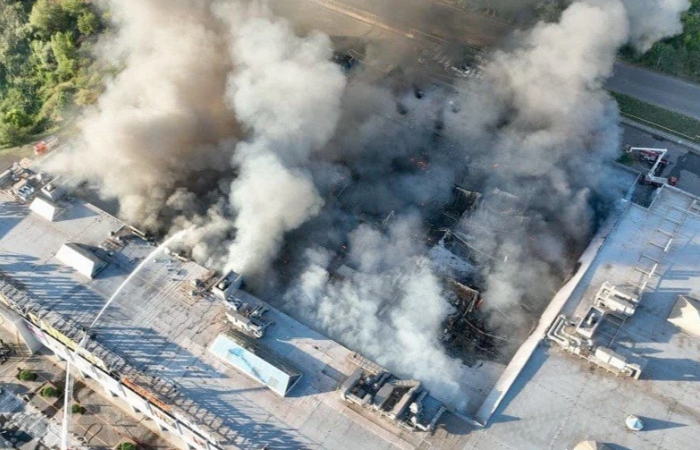
Rescuers in Ukraine are continuing their search for survivors in the wreckage of a big shopping centre hit by Russia on Friday. Sixteen people were killed and 130 injured when two drones hit the busy centre in Kryvyi Rih in quick succession in what is known as a double-tap strike. Four people are still missing. The search and rescue operation could last for another two days. President Volodymyr Zelensky condemned the "cynical and despicable" attack in which the second drone targeted emergency workers. The sides exchanged more fire overnight, with Ukrainian attacks said to have killed at least four people in Russia, including two children, and three people reported dead by Kyiv as a result of Russian strikes. The death toll from Friday's attack reached 16 after another body was retrieved from the rubble overnight, said Dnipropetrovsk regional head Oleksandr Hanzha. "We're doing everything possible to speed up... the search and rescue operation," he told Ukrainian TV on Saturday morning. (click image tio read more)

Popular

Editor's choice
Interview
Thursday Interview: Murad Muradov

Thursday Interview: Murad Muradov

Today, commonspace.eu starts a new regular weekly series. THURSDAY INTERVIEW, conducted by Lauri Nikulainen, will host  persons who are thinkers, opinion shapers, and implementors in their countries and spheres. We start the series with an interview with Murad Muradov, a leading person in Azerbaijan's think tank community. He is also the first co-chair of the Action Committee for a new Armenian-Azerbaijani Dialogue. Last September he made history by being the first Azerbaijani civil society activist to visit Armenia after the 44 day war, and the start of the peace process. Speaking about this visit Murad Muradov said: "My experience was largely positive. My negative expectations luckily didn’t play out. The discussions were respectful, the panel format bringing together experts from Armenia, Azerbaijan, and Turkey was particularly valuable during the NATO Rose-Roth Seminar in Yerevan, and media coverage, while varied in tone, remained largely constructive. Some media outlets though attempted to represent me as more of a government mouthpiece than an independent expert, which was totally misleading.  Overall, I see these initiatives as important steps in rebuilding trust and normalising professional engagement. The fact that soon a larger Azerbaijani civil society visits to Armenia followed, reinforces the sense that this process is moving in the right direction." (click the image to read the interview in full)