Мнение: На пути к взаимосвязанному Южному Кавказу

Как утверждает Эмиль Авдалиани в этой статье, недавно сданное в эксплуатацию железнодорожное сообщение Баку-Тбилиси-Карс является хорошим примером процветающего сотрудничества между Азербайджаном, Грузией и Турцией.

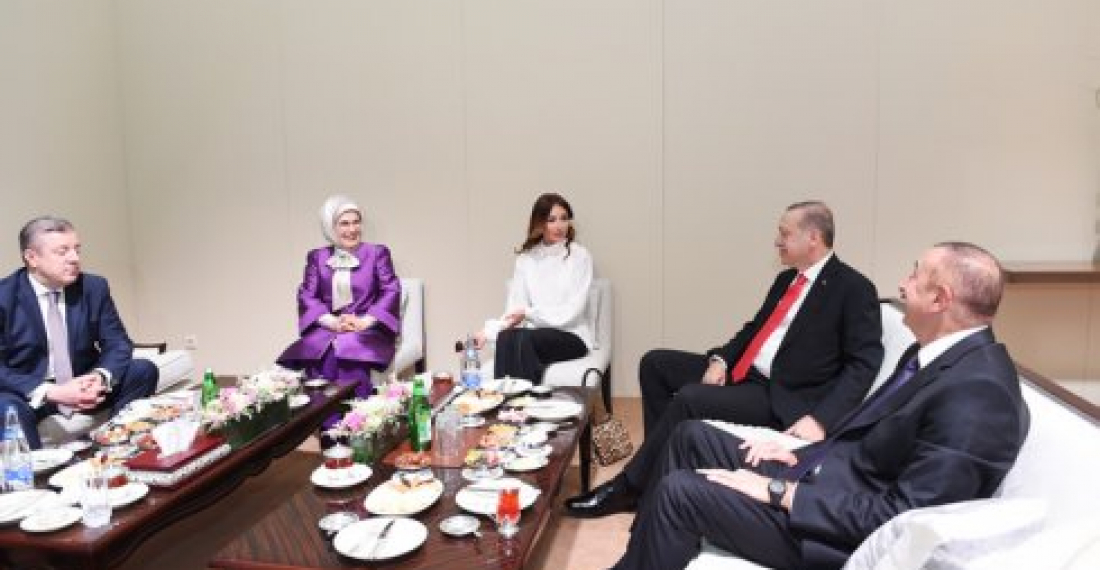
30 октября президент Азербайджана Ильхам Алиев принял своего турецкого коллеги Реджепа Тайипа Эрдогана, а также премьер-министра Грузии Георгия Квирикашвили на церемонии открытия пуска первого поезда на недавно построенной железной дороге Баку-Тбилиси-Карс, протянувшейся от Каспийского моря (порт Алата), к югу от столицы Азербайджана, до города Карс, что в восточной Турции. В церемонии также приняли участие премьер-министры Казахстана и Узбекистана.

Новый проект будет играть важную роль в геополитике региона, поскольку он не только увеличит взаимосвязь на Южном Кавказе, но и потенциально может привлечь центральноазиатские государства, не имеющие выхода к морю, и заинтересовать их в увеличении экспорта газа и нефти на европейские рынки. Проект является железнодорожным коридором, соединяющим Центральную Азию с европейскими рынками через Южный Кавказ. Это также отражено в намерении строительства порта в Алате, Азербайджан, который является одним из крупнейших на Каспийском море и, который был специально построен для обеспечения логистики с Центральной Азией.

Еще одно геополитическое значение добавляется к проекту, когда он рассматривается в контексте китайской инициативы «Один пояс, одна дорога». 826-километровая железная дорога Баку-Тбилиси-Карс обеспечит доставку грузов между Китаем и Европой примерно за две недели. К 2025 году по железной дороге Баку-Тбилиси-Карс может перевозиться до 8 млн. тонн грузов.

Открытие железной дороги подкрепляет растущее турецко-грузинско-азербайджанское партнерство. Этот трехсторонний формат был запущен в Батуми (Грузия) в мае 2012 года. С тех пор между тремя странами увеличилось сотрудничество в сфере обороны и экономики, и мы стали свидетелями многочисленных совместных военных учений. Кроме того, страны также сотрудничают в обмене военным персоналом и военной экспертизе.

Долговечность этого стратегического партнерства подкрепляется и тем, что три страны одинаково нуждаются друг в друге. Нарастающее военное сотрудничество с такими важными проектами как железная дорога и трубопровод создают проблему для Анкары, Грузии и Азербайджана.

Учитывая, насколько неустойчив региональный и политический ландшафт на Южном Кавказе и в Черном море, сотрудничество между тремя странами безусловно важно. Трёхсторонние отношения заслуживают внимания, так как в них участвует член НАТО - Турция, ориентированная на ЕС/НАТО Грузия и Азербайджан, который до сих пор избегал вступать в какие-либо крупные экономические или военные союзы.

Однако, несмотря на явно различающиеся стратегические пути трех стран, основа для трехстороннего сотрудничества только увеличилась. Каждой из трех стран нужны двое других. Турция хочет более стабильную Грузию с более глубокими экономическими и энергетическими отношениями, в то время как Азербайджан в свете неопределенностей в отношении Нагорного Карабаха нуждается в поддержке Турции. В свою очередь, Грузия, находящаяся под давлением России и зависящая от транзита, нуждается как в Турции, так и в Азербайджане. Более того, обе страны являются крупнейшими торговыми партнерами и источниками инвестиций в Тбилиси, а Грузия является важным компонентом для транзита энергоносителей из Каспийского моря на мировые рынки, минуя Россию.

Все три страны видят, насколько они взаимозависимы, и есть четкие императивы (внутренние проблемы, давление из вне) для расширения сотрудничества в этом формате. Иными словами, энергетическая и транспортная инфраструктура, связывающая три государства, такие как нефтепровод Баку-Тбилиси-Джейхан и железная дорога Баку-Тбилиси-Ахалкалаки-Карс, имеют приоритет.

Такое геополитическое мышление занимает центральную роль в сотрудничестве Турция-Грузия-Азербайджан. Правда, в странах по-прежнему отсутствует общая повестка дня о том, как дальше развивать свое военное сотрудничество, и пока не существует каких-либо конкретных механизмов решения проблем внешней политики, но трехсторонний формат, подкрепленный различными крупными региональными проектами, тем не менее доказал свою прочность.

Таким образом, несмотря на значительное улучшение турецко-российских отношений, а иногда и некоторые незначительные разногласия между Турцией, Грузией и Азербайджаном, конкретно нет ничего, что негативно могло бы повлиять на существующие отношения между Турцией, Грузией и Азербайджаном в двустороннем формате, или же в трехстороннем формате. Фактически, открытие железной дороги Баку-Тбилиси-Карс предполагает, что сотрудничество между тремя странами растет, независимо от того, насколько волатильна ситуация в регионе. Также вполне вероятно, что, основываясь на геополитических императивах, Турция, Грузия и Азербайджан будут работать над тем, чтобы еще больше укрепить взаимодействие между ними.

источник: Эмиль Авдалиани - преподает историю и международные отношения в Тбилисском государственном университете и в Государственном университете Ильи. Данная статья была подготовлена им для commonspace.eu

фото: Президенты Азербайджана и Турции и премьер-министр Грузии беседуют перед запуском первого поезда по железнодорожному сообщению Баку-Тбилиси-Карс. На снимке такжде представлены супруги лидеров Турции и Азербайджана. (Фото предоставлено пресс-службой президента Азербайджана).
Related articles

Editor's choice
News
Germany accuses Russia of cyberattacks and disinformation campaign

Germany accuses Russia of cyberattacks and disinformation campaign

The German government holds Russia responsible for a cyberattack on German air traffic control, and for targeted disinformation campaigns before the last federal election. According to the German Foreign Office in Berlin, the incidents could be clearly attributed to the Russian military intelligence service, the GRU. In response, the Russian ambassador to Berlin was summoned to the Foreign Ministry. "We have been observing a massive increase in threatening hybrid activities by Russia for some time now," a spokesperson for the Foreign Ministry stated. These range from disinformation campaigns and espionage to cyberattacks and sabotage attempts. The aim is to divide society, sow distrust, and undermine confidence in democratic institutions. The spokesperson added that with these actions, Russia is "very concretely threatening our security, not only through its war of aggression against Ukraine, but also here in Germany."  The Foreign Ministry spokesperson explained that the cyberattack on air traffic control in August 2024 was clearly attributed to the hacker collective "APT28," known as "Fancy Bear," and to the responsibility of the Russian military intelligence service, the GRU. Furthermore, it could now be "conclusively stated" that Russia had attempted "to influence and destabilize both the last Federal election and the ongoing internal affairs of the Federal Republic of Germany." There was "absolutely irrefutable evidence" for this". The so-called "Storm 1516" campaign, which has been running since 2024, is allegedly backed by "reliable information" that the Moscow-based think tank "Center for Geopolitical Expertise" is behind it. The Center is also said to be supported by Russian military intelligence. Its primary aim is to influence democratic elections in the West. (Click the image to read more).
Editor's choice
News
NATO Chief says war is on Europe's doorstep, and warns against complacency

NATO Chief says war is on Europe's doorstep, and warns against complacency

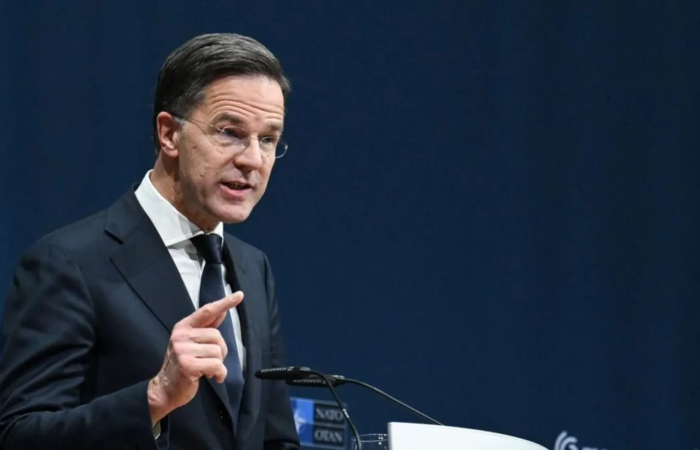
Russia could attack a NATO country within the next five years, the Secretary General of NATO, Mark Rutte, said in a stark new warning. "NATO's own defences can hold for now," Rutte warned in Berlin, but conflict was "next door" to Europe, and he feared "too many are quietly complacent, and too many don't feel the urgency, too many believe that time is on our side. "Russia is already escalating its covert campaign against our societies," Rutte said in a speech in Germany. "We must be prepared for the scale of war our grandparents or great-grandparents endured." Earlier this month, Russia's President Vladimir Putin said his country was not planning to go to war with Europe, but it was ready "right now" if Europe wanted to - or started a war. But similar reassurances were given by Moscow in 2022, just before 200,000 Russian troops crossed the border and invaded Ukraine. Putin has accused European countries of hindering US efforts to bring peace in Ukraine - a reference to the role Ukraine's European allies have recently played in trying to change a US peace plan to end the war, whose initial draft was seen as favouring Russia. But Putin was not sincere, Nato's secretary-general said in the German capital, Berlin. Supporting Ukraine, he added, was a guarantee for European security. "Just imagine if Putin got his way; Ukraine under the boot of Russian occupation, his forces pressing against a longer border with Nato, and the significantly increased risk of an armed attack against us." Russia's economy has been on a war footing for more than three years now - its factories churn out ever more supplies of drones, missiles and artillery shells. According to a recent report by the Kiel Institute for the World Economy, Russia has been producing each month around 150 tanks, 550 infantry fighting vehicles, 120 Lancet drones and more than 50 artillery pieces. The UK, and most of its Western allies, are simply not anywhere near this point. Analysts say it would take years for Western Europe's factories to come close to matching Russia's mass-production of weapons. "Allied defence spending and production must rise rapidly, our armed forces must have what they need to keep us safe," the Nato chief said.

Popular

Editor's choice
News
Germany accuses Russia of cyberattacks and disinformation campaign

Germany accuses Russia of cyberattacks and disinformation campaign

The German government holds Russia responsible for a cyberattack on German air traffic control, and for targeted disinformation campaigns before the last federal election. According to the German Foreign Office in Berlin, the incidents could be clearly attributed to the Russian military intelligence service, the GRU. In response, the Russian ambassador to Berlin was summoned to the Foreign Ministry. "We have been observing a massive increase in threatening hybrid activities by Russia for some time now," a spokesperson for the Foreign Ministry stated. These range from disinformation campaigns and espionage to cyberattacks and sabotage attempts. The aim is to divide society, sow distrust, and undermine confidence in democratic institutions. The spokesperson added that with these actions, Russia is "very concretely threatening our security, not only through its war of aggression against Ukraine, but also here in Germany."  The Foreign Ministry spokesperson explained that the cyberattack on air traffic control in August 2024 was clearly attributed to the hacker collective "APT28," known as "Fancy Bear," and to the responsibility of the Russian military intelligence service, the GRU. Furthermore, it could now be "conclusively stated" that Russia had attempted "to influence and destabilize both the last Federal election and the ongoing internal affairs of the Federal Republic of Germany." There was "absolutely irrefutable evidence" for this". The so-called "Storm 1516" campaign, which has been running since 2024, is allegedly backed by "reliable information" that the Moscow-based think tank "Center for Geopolitical Expertise" is behind it. The Center is also said to be supported by Russian military intelligence. Its primary aim is to influence democratic elections in the West. (Click the image to read more).