МГ ОБСЕ провели еще один раунд переговоров в главами МИД.
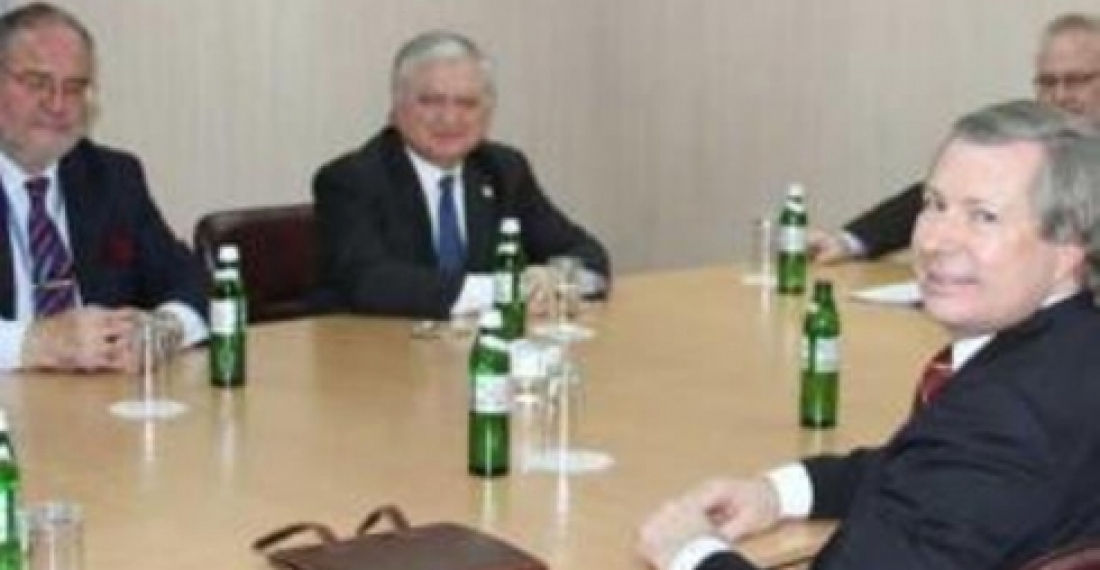
Дипломаты от Франции, России и Соединенных Штатов, которые представляют Минский процесс ОБСЕ, который призван способствовать переговорам по нагорно-карабахскому конфликту между Арменией и Азербайджаном, за последние дни провели встречи с министрами иностранных дел двух стран в рамках последних усилий с целью придать импульс переговорам по урегулированию конфликта.

В понедельник, в Париже, дипломаты встретились с министром иностранных дел Азербайджана, Эльмаром Мамедъяровым. Согласно пресс-секретарю МИД Азербайджана, Мамедъяров подтвердил готовность Азербайджана подписать всеобъемлющий мирный договор с Арменией при условий, что Армения освободит все занятые азербайджанские территорий. Это азербайджанская позиция уже в течение длительного времени, и у нее в прошлом не находилось поддержки в Армении.

Позднее дипломаты отправились в Москву, где во вторник встретились с министром иностранных дел Армении, Эдвардом Налбандяном. Армянская сторона заявила, что переговоры сосредоточены на продвижении переговоров по нагорно-карабахскому конфликту, но никаких подробностей не сообщил.

По данным американского сопредседателя Минской группы посла Джеймса Уорлика, сопредседатели сегодня планируют встретиться с представителями российского правительства. Встреча проходит в не самое удобное время, т.к. Россию обвиняют в подрыве системы европейской безопасности из-за ее действий в Крыму. Как это уже было во время кризиса в Грузии в 2008 году Россия, как ожидается, попытается изолировать Минский процесс от текущих дипломатических потрясений. Тогда Россия выступила с инициативой организации встречи в Москве между тогдашним президентом Дмитрием Медведевым и лидерами Азербайджана и Армении в ноябре 2008 года. Это положило   начало долгой дипломатической инициативе во главе с Медведевым с привлечением двух президентов, которая не привела к урегулированию и, которая провалилась во время последней трехсторонней встречи в Казани, летом 2011 года. Еще одна встреча трех президентов состоялась в Сочи, в январе 2012 года, незадолго до того, как Медведев покинул свой пост, но она также не дала никаких результатов.

После почти двух лет сдержанной дипломатии, когда сопредседатели Минского процесса пытались отчаянно удержать стороны в переговорах, прорыв был достигнут в ноябре прошлого года, когда дипломатам удалось организовать очередную встречу двух президентов в Вене. В настоящее время ходят слухи, что президенты возможно встретятся еще раз в конце этого месяца, вероятно, в Гааге, где они оба примут  участие в саммите по ядерной безопасности. Однако, пока не ясно, есть ли основания, на которых может быть взят новый старт в  переговорах и есть некоторые опасения, что, как и в 2008 году, Россия может использовать формат Минской группы, чтобы попытаться спроецировать себя в качестве миротворца в Евразии в период, когда она сталкнулась с международным осуждением.

источник: commonspace.eu

фото: Дипломаты от Франции, России и США, на встрече с министром иностранных дел Армении Эдвардом Налбандяном, в Москве 11 марта 2014 года.

Related articles

Editor's choice
News
Nikol Pashinyan re-appointed as Armenian prime minister after decisive June election victory

Nikol Pashinyan re-appointed as Armenian prime minister after decisive June election victory

Armenia president, Vahagn Khachaturyan has re-appointed Nikol Pashinyan as Armenian prime minister, after the decisive victory of his Civil Contract party in parliamentary elections in June. During a ceremony at the Presidential Palace in Yerevan, President Khachaturyan signed a decree on the appointment of Nikol Pashinyan as Prime Minister of the Republic. President Vahagn Khachaturyan said in short remarks: It is a great honor for me to sign a decree on appointing you to the post of Prime Minister of the Republic of Armenia, for which I received a proposal from the political majority in the National Assembly, under Article 149 of the Constitution of the Republic of Armenia. I sincerely congratulate you, I wish you great patience, endurance, and determination to lead us in these difficult times, to lead the country to the future, a prosperous future. Nikol Pashinyan thanked the president and added,  I must say honestly that in 2018, when I assumed the post of Prime Minister of the Republic of Armenia as a result of the People's, non-violent, velvet revolution, it would have been difficult to predict that we would go down such a path and I think it would have been difficult to predict that we would be able to overcome this path. But we are where we are, and I think that the key role and significance in all this is unequivocally and undoubtedly the people of the Republic of Armenia, who, after all, have demonstrated special expressions of state consciousness and state-centeredness throughout this period. And of course, this is a great obligation and commitment. Of course, the Government will be formed in the near future and all members of the Government, including me, will already enshrine our obligations to our people in the text of the oath.  In the meantime Ruben Rubinyan has been elected Speaker of the National Assembly of Armenia, following a secret vote of MPs. He is a 36-year-old MP from the ruling Civil Contract party, who was one of the deputy speakers in the previous parliament and, until recently, was the special representative in the negotiations on the normalization of relations with Turkey.

Popular

Editor's choice
Interview
Thursday Interview: Murad Muradov

Thursday Interview: Murad Muradov

Today, commonspace.eu starts a new regular weekly series. THURSDAY INTERVIEW, conducted by Lauri Nikulainen, will host  persons who are thinkers, opinion shapers, and implementors in their countries and spheres. We start the series with an interview with Murad Muradov, a leading person in Azerbaijan's think tank community. He is also the first co-chair of the Action Committee for a new Armenian-Azerbaijani Dialogue. Last September he made history by being the first Azerbaijani civil society activist to visit Armenia after the 44 day war, and the start of the peace process. Speaking about this visit Murad Muradov said: "My experience was largely positive. My negative expectations luckily didn’t play out. The discussions were respectful, the panel format bringing together experts from Armenia, Azerbaijan, and Turkey was particularly valuable during the NATO Rose-Roth Seminar in Yerevan, and media coverage, while varied in tone, remained largely constructive. Some media outlets though attempted to represent me as more of a government mouthpiece than an independent expert, which was totally misleading.  Overall, I see these initiatives as important steps in rebuilding trust and normalising professional engagement. The fact that soon a larger Azerbaijani civil society visits to Armenia followed, reinforces the sense that this process is moving in the right direction." (click the image to read the interview in full)