МГ ОБСЕ напомнили Армении и Азербайджану об обязательствах "ускорить" достижение соглашения по Базовым принципам

Сопредседатели Минской группы ОБСЕ - посол Роберт Брадтке (США), Игорь Попов (Россия), Жак Фор (Франция), а также личный представитель действующего председателя ОБСЕ посол Анжей Каспршик обнародовали заявление по итогам своего визита в Ереван и Баку в период с 11 по 14 мая.

Как сообщили АрмИнфо в пресс-службе штаб-квартиры ОБСЕ, в заявлении отмечается, что в ходе визитов сопредседатели МГ ОБСЕ встретились с президентами Сержем Саргсяном и Ильхамом Алиевым, с которыми обсудили недавние усилия, предпринятые в деле разрешения нагорно-карабахского конфликта. Медиаторы продолжили обсуждения со сторонами на тему о реализации обязательств, принятых президентами Алиевым и Саргсяном 23 января во время совместного заявления в Сочи, включая также обязательство "ускорить" достижение соглашения по Базовым принципам в рамках всеобъемлющего мирного урегулирования конфликта. Кроме того, в заявлении упоминаются обязательства сторон разработать механизмы по расследованию нарушений соглашения о прекращении огня, а также необходимость установления контактов между обществами конфликтующих сторон.

Сопредседатели выразили свое беспокойство по поводу недавних инцидентов на линии соприкосновения, призвав стороны воздержаться от актов возмездия. Посредники приветствовали тот факт, что стороны подтвердили свое обязательство поиску мирного решения конфликта.

Посредники также обсудили со сторонами необходимость создания мер доверия среди военнослужащих, а также на уровне межличностных отношений народов для укрепления доверия и усиления соглашения о прекращении огня. Кроме того, сопредседатели обсудили важность оценки и сохранения мест, представляющих культурную и историческую ценность для армян и азербайджанцев, которые находятся в зоне риска с тем, чтобы защитить общее наследие народов пока переговоры не будут приведены к финалу и долгосрочному миру. Сопредседатели планируют продолжить обсуждения с министрами ИД двух стран в ближайшее время, - отмечается в заявлении.

Напомним, что сопредседатели намеревались посетить и Степанакерт, для встречи с президентом НКР Бако Саакяном, однако из-за погодных условий поездка не состоялась. 
Related articles

Editor's choice
News
The British prime minister says Europe must "stand on its own two feet" when it comes to defence

The British prime minister says Europe must "stand on its own two feet" when it comes to defence

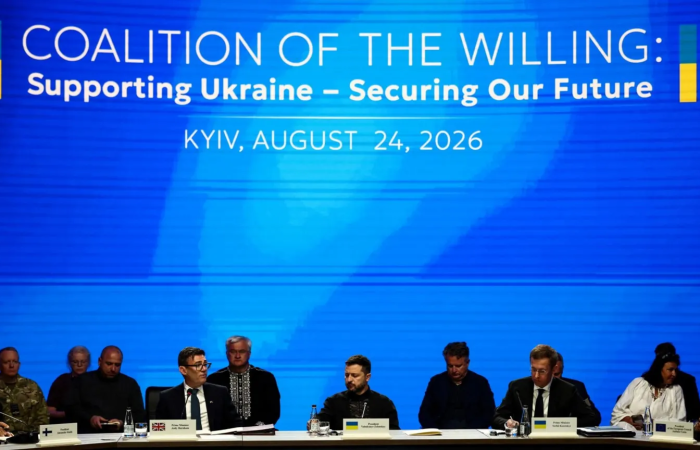
The UK will deploy a carrier strike group, led by the aircraft carrier HMS Prince of Wales to the Arctic and the High North as part of efforts to bolster security against Russian threats. British prime minister, Sir Keir Starmer announced the deployment in a speech on Saturday (14 February) at the Munich Security Conference. Europe must be ready to fight to protect its people, values, and way of life,  Sir Keir told the Conference. Starmer also called for deeper links and cooperation, including economic ties, between the UK and EU. The PM stressed the continent must "stand on its own two feet" when it comes to defence commitments. "We must build our hard power, because that is the currency of the age," he told the conference. (Click image to read the full story).

Popular

Editor's choice
Interview
Thursday Interview: Murad Muradov

Thursday Interview: Murad Muradov

Today, commonspace.eu starts a new regular weekly series. THURSDAY INTERVIEW, conducted by Lauri Nikulainen, will host  persons who are thinkers, opinion shapers, and implementors in their countries and spheres. We start the series with an interview with Murad Muradov, a leading person in Azerbaijan's think tank community. He is also the first co-chair of the Action Committee for a new Armenian-Azerbaijani Dialogue. Last September he made history by being the first Azerbaijani civil society activist to visit Armenia after the 44 day war, and the start of the peace process. Speaking about this visit Murad Muradov said: "My experience was largely positive. My negative expectations luckily didn’t play out. The discussions were respectful, the panel format bringing together experts from Armenia, Azerbaijan, and Turkey was particularly valuable during the NATO Rose-Roth Seminar in Yerevan, and media coverage, while varied in tone, remained largely constructive. Some media outlets though attempted to represent me as more of a government mouthpiece than an independent expert, which was totally misleading.  Overall, I see these initiatives as important steps in rebuilding trust and normalising professional engagement. The fact that soon a larger Azerbaijani civil society visits to Armenia followed, reinforces the sense that this process is moving in the right direction." (click the image to read the interview in full)