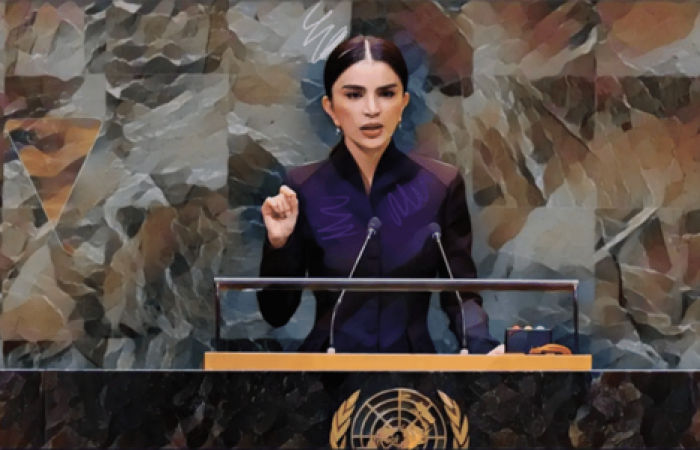
Карабах всё чаще обсуждается на международных форумах. Лучшими встречами остаются те, которые предлагают различные точки зрения, так как они способствуют диалогу и взаимопониманию.
Нагорно-карабахский конфликт является темой, которая в эти дни часто обсуждается в дискуссиях в различных частях мира.

На этой неделе в столице Пакистана Исламабаде журнал "Diplomatic Insight" организовала семинар под названием "Нагорный Карабах и Кашмир: две наций, та же боль" в Национальной библиотеке в Пакистане. Семинар был организован с целью привлечения внимания мирового сообщества к двум давним и нерешенным кипящим конфликтам на Кавказе и в Южной Азии, Нагорний Карабах и Кашмир.

Посол Азербайджана в Пакистане, г-н Дашгын Шикаров, рассказал о нагорно-карабахском конфликте. По данным пакистанской газеты "Financial Daily" посол сказал, что "важно отметить то, что Пакистан принял позицию по проблеме Нагорного Карабаха и не налаживает отношения с Арменией из-за оккупации азербайджанских земель. Он воздал должное Комитету Сената Пакистана по внешним связям  за принятие резолюции от 1 февраля 2012 года, осуждающую оккупацию территории Азербайджана и геноцид, совершенный армянскими вооруженными силами в Ходжале, а также призвал международное сообщество призвать Армению к выполнению решения Совет Безопасности ООН".

Асиф Нур, главный редактор журнала "Diplomatic Insight", поприветствовав гостей, отметил цели на которых основывается журнал, "Мир черех обоснованный диалог". Он сказал, что публикаций направлены ​​на подключение самых разнообразных, мультикультурных сообществ, побудить их к действию, обеспечить гласность, СМИ и тем самым создавая общее понимание вопросов международного и внутреннего характера. Он сказал, что этот семинар первый в своем роде из серии семинаров, которые журнал намерен организовать в предстоящем году.

Полковник Доктор Мухаммад Хан, председатель департамента международных отношений из Национального университета обороны отметил, что проблема Кашмира лежит в его исторической перспективе и в перспективе прав человека. Он сказал, что индийские силы оккупанты совершили худший из видов нарушений прав человека и существует необходимость для мирового сообщества обратить внимание на это и прекратить эти военные преступления в самое ближайшее время. Профессор Разия Султана, председатель кафедры истории, из университета Каид-я и-Азам представила свою точку зрения о нагорно-карабахском вопросе. Она сказала, что конфликт имеет глубокие исторические корни, которые необходимо понимать для того, чтобы получить ясное представление о сегодняшнем конфликте между Азербайджаном и Арменией.

В то же время в самом Карабахе началась научно-практическая конференция, посвященная 20-летию провозглашения Нагорно-Карабахской Республики. Двухдневное мероприятие соберет вместе политологов и представителей политических организаций Армении и НКР, а также аналитиков из Великобритании, Греции и Нидерландов по сообщениям веб-портала news.am

Делегация от Армянской национальной ассамблеи во главе с вице-спикером Эдуард Шармазановым, принимает участие в конференции. Лидер самопровозглашенной Нагорно-Карабахской Республики, президент Бако Саакян, планирует встретиться с участниками конференции в воскресенье.

Политический редактор Commonspace.eu сказал в комментарии: "Количество встреч по карабахскому вопросу в рамках международных форумов за прошлый год увеличелось, это положительный момент, т.к. он повышает уровень осведомленности о проблеме в международном сообществе. Лучшими встречами остаются те, которые предлагают различные точки зрения, так как они способствуют диалогу и взаимопониманию."

Источник: commonspace.eu по материалам Financial Daily (Пакистан) и News.am

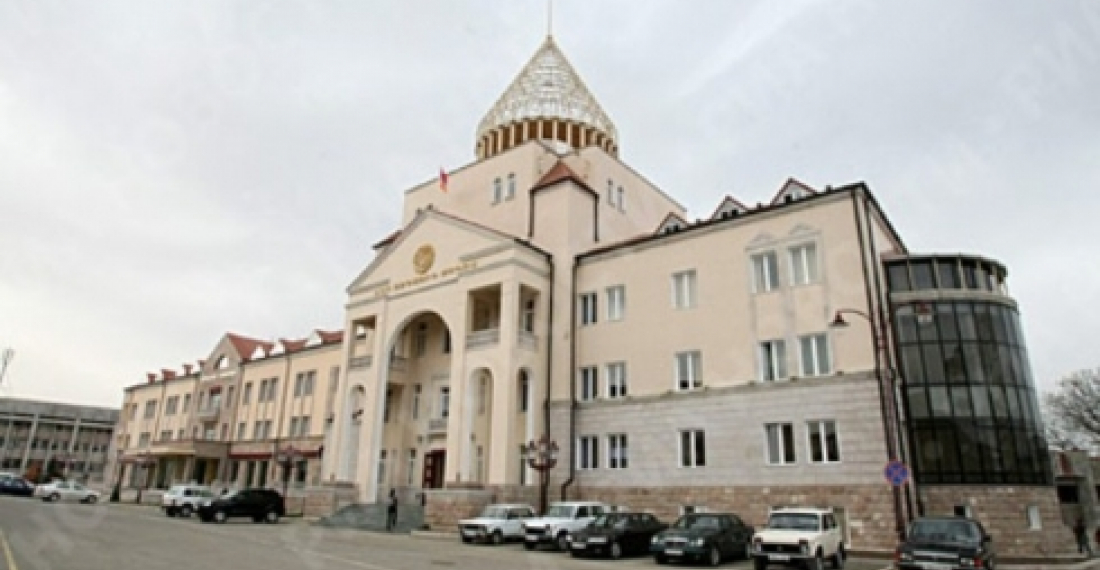
Фото: Здание правительства в Степанакерте (фото любезно предоставлено РИА-Новости)

Related articles

Editor's choice
News
Council of Europe launches new International Claims Commission for Ukraine

Council of Europe launches new International Claims Commission for Ukraine

Thirty-four countries and the European Union have signed a new convention establishing an International Claims Commission for Ukraine at a diplomatic conference co-hosted by the 46-nation Council of Europe and the Netherlands in the Hague. The diplomatic conference was attended by leaders and high-level representatives from over 50 states, including the President of Ukraine, Volodymyr Zelenskyy, the President of the Republic of Moldova, Maia Sandu, and the Prime Minister of the Netherlands, Dick Schoof.  “Today marks a major step forward in ensuring accountability for Ukraine. The International Claims Commission represents justice and hope for tens of thousands of victims—our determination that those who have suffered will not be forgotten. I call for quick ratifications so we can get the commission rapidly up and running for the people of Ukraine,” said Council of Europe Secretary General Alain Berset. Ukrainian President Volodymyr Zelenskyy said: “We expect that every mechanism for compensation from the Register of Damage and Claims Commission to the actual payments – will start working and receive strong and sufficient international support, so that people can truly feel that any kind of damage caused by the war can be compensated. This war, and Russia’s responsibility for it, MUST become a clear example – so that others learn not to choose aggression.” “Accountability is about creating the conditions for peace that endures. And therefore, accountability is a condition of security – today and for the future. But accountability is not only about Ukraine. And it is not only about one aggressor and one victim. Accountability is about Europe. About every country in Europe. It is about whether Europe, as a whole, is willing to defend its peace,” said Maia Sandu, President of the Republic of Moldova, which currently holds the Presidency of the Council of Europe’s Committee of Ministers. The Prime Minister of the Netherlands, Dick Schoof, said: “Every day Russia is deliberately bombarding homes, destroying businesses and damaging infrastructure in Ukraine. Russia must compensate Ukraine for the damage caused. That is why we have launched the International Claims Commission for Ukraine and we are honoured to host it.” The International Claims Commission will be the second part of a comprehensive compensation mechanism related to Russia’s war of aggression, building on the existing Register of Damage for Ukraine. The claims commission will be established within the framework of the Council of Europe and will also be open to other countries. The Register of Damage for Ukraine, created in 2023, collects and records compensation claims submitted by individuals, organisations and public bodies in Ukraine. Forty-four states and the European Union have so far joined the Register, which has already received 86,000 claims. The International Claims Commission will review, assess and decide upon claims submitted to the Register of Damage for Ukraine and determine the amount of compensation, if any, which is due in each case. The convention establishing the commission will enter into force once it has been ratified by 25 signatories, as long as sufficient funds have been secured to support its initial work.

Popular

Editor's choice
News
Council of Europe launches new International Claims Commission for Ukraine

Council of Europe launches new International Claims Commission for Ukraine

Thirty-four countries and the European Union have signed a new convention establishing an International Claims Commission for Ukraine at a diplomatic conference co-hosted by the 46-nation Council of Europe and the Netherlands in the Hague. The diplomatic conference was attended by leaders and high-level representatives from over 50 states, including the President of Ukraine, Volodymyr Zelenskyy, the President of the Republic of Moldova, Maia Sandu, and the Prime Minister of the Netherlands, Dick Schoof.  “Today marks a major step forward in ensuring accountability for Ukraine. The International Claims Commission represents justice and hope for tens of thousands of victims—our determination that those who have suffered will not be forgotten. I call for quick ratifications so we can get the commission rapidly up and running for the people of Ukraine,” said Council of Europe Secretary General Alain Berset. Ukrainian President Volodymyr Zelenskyy said: “We expect that every mechanism for compensation from the Register of Damage and Claims Commission to the actual payments – will start working and receive strong and sufficient international support, so that people can truly feel that any kind of damage caused by the war can be compensated. This war, and Russia’s responsibility for it, MUST become a clear example – so that others learn not to choose aggression.” “Accountability is about creating the conditions for peace that endures. And therefore, accountability is a condition of security – today and for the future. But accountability is not only about Ukraine. And it is not only about one aggressor and one victim. Accountability is about Europe. About every country in Europe. It is about whether Europe, as a whole, is willing to defend its peace,” said Maia Sandu, President of the Republic of Moldova, which currently holds the Presidency of the Council of Europe’s Committee of Ministers. The Prime Minister of the Netherlands, Dick Schoof, said: “Every day Russia is deliberately bombarding homes, destroying businesses and damaging infrastructure in Ukraine. Russia must compensate Ukraine for the damage caused. That is why we have launched the International Claims Commission for Ukraine and we are honoured to host it.” The International Claims Commission will be the second part of a comprehensive compensation mechanism related to Russia’s war of aggression, building on the existing Register of Damage for Ukraine. The claims commission will be established within the framework of the Council of Europe and will also be open to other countries. The Register of Damage for Ukraine, created in 2023, collects and records compensation claims submitted by individuals, organisations and public bodies in Ukraine. Forty-four states and the European Union have so far joined the Register, which has already received 86,000 claims. The International Claims Commission will review, assess and decide upon claims submitted to the Register of Damage for Ukraine and determine the amount of compensation, if any, which is due in each case. The convention establishing the commission will enter into force once it has been ratified by 25 signatories, as long as sufficient funds have been secured to support its initial work.