


КАРАБАХ-МИНИСТР-СИТУАЦИЯ-ОЦЕНКА

Милитаристская политика и заявления Азербайджана совпадают с его действиями. Азербайджан не скрывает того, что готовится решить карабахскую проблему силовым путем. И увеличение количества снайперских выстрелов, применение крупнокалиберного оружия свидетельствуют о том, что Азербайджан, держа линию соприкосновения в напряженности и угрожая возобновлением войны, стремится решить карабахскую проблему в свою пользу.

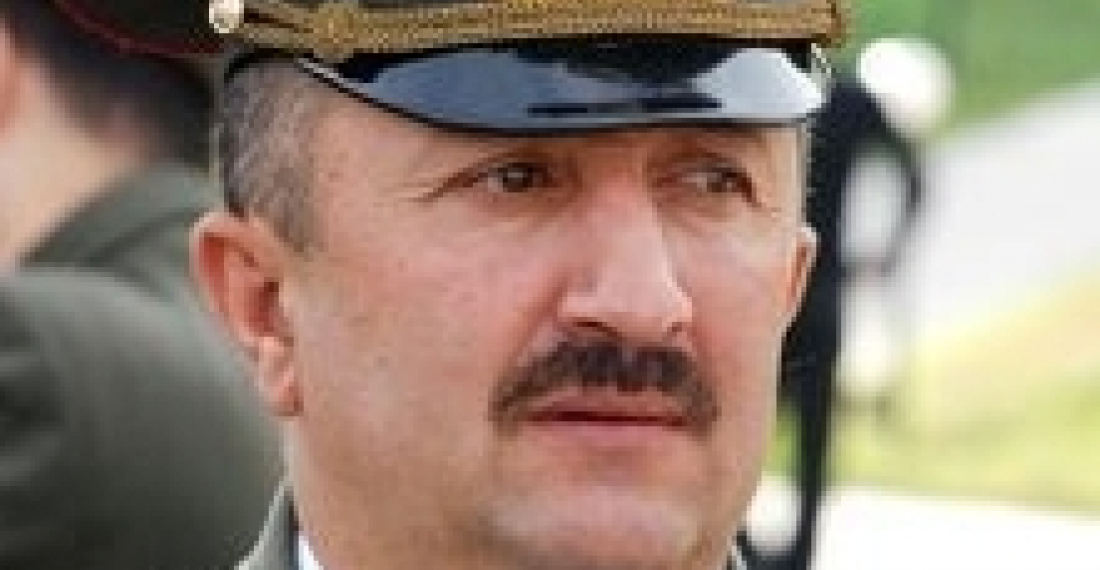
Об этом, как сообщает собкор АрмИнфо в Степанакерте,  заявил министр обороны Нагорно-Карабахской Республики генерал-лейтенант Мовсес Акопян в ходе праздничных мероприятий по случаю 9 мая - тройного для НКР праздника: Дня Победы, создания Армии обороны НКР и освобождения города Шуши.

\"Однозначно могу сказать, что как и в 1994 году, когда Азербайджан был вынужден подписать соглашение о перемирии, сегодня Армия обороны НКР господствует на линии соприкосновения. А активность противника объясняется тем, что он не скрывает своего намерения решить карабахскую проблему военным путем и пытается подобным образом поднять дух своей армии и нанести урон Армии обороны НКР. Постоянные обстрелы со стороны противника являются также попыткой шантажа сопредседателей Минской группы ОБСЕ. Мы проводим превентивные мероприятия, и Армия обороны НКР продолжает оставаться в роли принуждающего на линии соприкосновения\" - сказал глава оборонного ведомства НКР.

Вместе с тем министр отметил, что воины Армии обороны НКР не отвечают на каждый выстрел противника, потому что чувствуют себя увереннее противника.

Говоря о значении операции по освобождению Шуши, Мовсес Акопян отметил:  \"Мы впервые освободили Шуши, нашу культурную столицу. Культурные очаги в Шуши были превращены в военные объекты, оттуда обстреливались столица НКР - Степанакерт и близлежайшие армянские населенные пункты. Освобождение Шуши очень вдохновило нас на дальнейшие победы\" - отметил глава оборонного ведомства НКР.


 

Related articles

Editor's choice
News
Armenia-Azerbaijan Strategic Expert Platform: Members emphasise the importance of the present moment for the South Caucasus and call for the momentum to be used for the long-term peace and prosperity of the region

Armenia-Azerbaijan Strategic Expert Platform: Members emphasise the importance of the present moment for the South Caucasus and call for the momentum to be used for the long-term peace and prosperity of the region

On 27 February 2026, the members of the Armenia-Azerbaijan Strategic Expert Platform met in Antwerp, Belgium, to assess developments in the South Caucasus following the initialling of a peace agreement between Armenia and Azerbaijan on 8 August 2025 at the White House. The members described the present moment as one of major importance for the region and its neighbours, urging leaders and societies alike to use the current momentum to secure long-term peace and prosperity. Established in 2024 with the support of LINKS Europe, the Platform provides a space for direct dialogue and joint analysis between Armenian and Azerbaijani experts. The members also reaffirmed the importance of continued international engagement and expressed strong support for LINKS Europe’s ongoing peacebuilding work in the region. (Click on the image above for the full statement.)

Popular

Editor's choice
Interview
Thursday Interview: Murad Muradov

Thursday Interview: Murad Muradov

Today, commonspace.eu starts a new regular weekly series. THURSDAY INTERVIEW, conducted by Lauri Nikulainen, will host  persons who are thinkers, opinion shapers, and implementors in their countries and spheres. We start the series with an interview with Murad Muradov, a leading person in Azerbaijan's think tank community. He is also the first co-chair of the Action Committee for a new Armenian-Azerbaijani Dialogue. Last September he made history by being the first Azerbaijani civil society activist to visit Armenia after the 44 day war, and the start of the peace process. Speaking about this visit Murad Muradov said: "My experience was largely positive. My negative expectations luckily didn’t play out. The discussions were respectful, the panel format bringing together experts from Armenia, Azerbaijan, and Turkey was particularly valuable during the NATO Rose-Roth Seminar in Yerevan, and media coverage, while varied in tone, remained largely constructive. Some media outlets though attempted to represent me as more of a government mouthpiece than an independent expert, which was totally misleading.  Overall, I see these initiatives as important steps in rebuilding trust and normalising professional engagement. The fact that soon a larger Azerbaijani civil society visits to Armenia followed, reinforces the sense that this process is moving in the right direction." (click the image to read the interview in full)

